Key Steps in Solving Ebola Outbreak Investigations
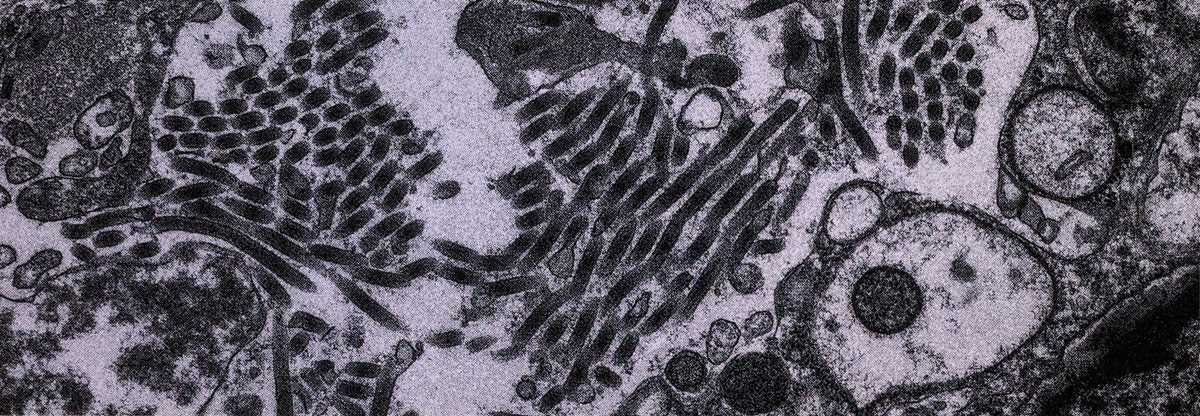
Tracking the spread of a viral outbreak involves a systematic approach to identifying patterns, understanding how the virus spreads, and uncovering the source. Detectives rely on detailed epidemiological methods, tracing contacts, and analyzing health records to pinpoint the origins of an outbreak. The first step is to recognize the symptoms and diagnose the disease as early as possible. When these signs are confirmed, the next phase begins: containment and investigation.
One critical strategy is using contact tracing to map out potential pathways of transmission. This helps identify individuals who might have been exposed and isolate them before the virus can spread further. Tracing the route of infection can also reveal patterns that may not be immediately obvious, such as links between rural and urban areas, or clusters of cases that may indicate the virus’s mode of transmission.
Working closely with local health authorities is key to a quick response. Health teams gather real-time data, conduct field investigations, and assist in setting up containment zones. Additionally, laboratory testing provides crucial data on how the virus behaves and mutates, aiding in response efforts and future preparedness plans. Without accurate data, outbreaks are much harder to control, and new cases can emerge without warning.
How Investigators Track the Spread of Viral Outbreaks
The investigation into an outbreak begins with identifying the first cases. Health professionals must gather detailed information on the symptoms, timeline, and potential connections between those affected. Once initial cases are confirmed, an immediate response is required to prevent further transmission.
The next step is contact tracing. This involves interviewing the affected individuals to determine their movements, interactions, and possible exposure points. The data gathered helps to map out transmission routes and identify individuals who may have been exposed but not yet showing symptoms.
In parallel, local health authorities set up quarantine zones to isolate affected individuals. This prevents further spread within the community. Investigators work closely with medical teams to monitor symptoms and identify any patterns of severity, which can help determine if certain groups are at higher risk.
Laboratories play a critical role by testing samples to confirm the virus and understand its mutation. This helps determine the most effective containment measures. Additionally, testing can guide vaccine or treatment development by understanding the virus’s behavior over time.
To track the outbreak’s progress, investigators rely on real-time data from hospitals, clinics, and local authorities. The information is analyzed to detect any new cases and respond immediately. Understanding the spread of the virus is crucial for containing the outbreak and preventing future ones.
Identifying Early Symptoms of Viral Infection
The initial signs of an infection often appear within 2 to 21 days after exposure. Early detection is critical to contain the spread and start treatment as soon as possible. The first symptoms typically include a sudden onset of fever, which may reach high temperatures. Along with fever, individuals might experience fatigue and muscle aches.
Headaches are another common early indicator, often accompanied by sore throat and loss of appetite. In some cases, nausea, vomiting, and diarrhea may begin within the first few days. These gastrointestinal symptoms can be confused with other common illnesses, but when paired with fever, they increase the likelihood of infection.
As the infection progresses, patients might develop a rash, red eyes, and internal bleeding symptoms such as bruising or bleeding from the gums. At this stage, medical attention is crucial for monitoring the patient’s condition and preventing complications.
If these symptoms are identified early, it is essential to isolate the patient to prevent transmission and conduct laboratory tests to confirm the infection. Medical professionals should also track contacts of the infected individuals to identify further cases and stop the outbreak from spreading.
For more information and guidelines on identifying early symptoms, visit the World Health Organization’s official website: https://www.who.int
Tracing the Source of the Outbreak: Methods and Tools
To identify the source of an outbreak, investigators use a combination of fieldwork, laboratory analysis, and epidemiological methods. The primary steps include:
- Case Investigation: Health officials track and interview individuals who have been affected. The goal is to identify any common exposure points, such as geographic location, healthcare settings, or contact with infected animals.
- Contact Tracing: Once initial cases are identified, investigators track anyone who may have been in contact with the infected individuals. This helps identify additional cases and pinpoint clusters of infection.
- Environmental Sampling: Researchers collect samples from possible sources, such as animals or contaminated surfaces. These samples are tested to determine whether the infection can be traced to a specific source.
- Genetic Sequencing: By analyzing the genetic material of the pathogen, scientists can trace the outbreak’s origin and understand how the virus has spread between individuals or regions.
These methods are crucial for controlling the spread of the infection and preventing future outbreaks. Laboratory-based diagnostic tools, such as PCR tests, are used to confirm the presence of the virus in samples, while geographic information systems (GIS) help map the spread of the infection.
By combining these techniques, authorities can not only track the source of an outbreak but also implement targeted measures to contain it.
Key Data Sources for Investigating Spread
To investigate the spread of infectious outbreaks, several data sources are crucial for understanding how the virus moves and impacts populations. These include:
- Case Reports: Information gathered from healthcare facilities, local authorities, and field teams helps identify the number of cases, their locations, and timelines. These reports are the starting point for any outbreak investigation.
- Contact Tracing Records: Detailed logs of individuals who have been in close contact with affected people help track the transmission chain. By identifying clusters, investigators can pinpoint where the virus spread most effectively.
- Health Surveillance Systems: National and international health organizations often monitor trends in disease outbreaks. These systems, such as the WHO’s Global Outbreak Alert and Response Network, provide real-time data on cases and transmission patterns.
- Genomic Data: Advanced sequencing techniques allow scientists to trace genetic variations of the virus. Comparing genetic material from different regions helps pinpoint how and when the virus spread.
- Environmental Sampling: Researchers collect samples from areas like hospitals, water sources, and wildlife habitats to trace possible environmental sources of infection.
By combining these data sources, investigators can piece together a comprehensive picture of the outbreak’s origin, transmission routes, and the best ways to contain it.
Role of Contact Tracing in Containing Spread
Contact tracing is a critical strategy in halting the spread of infectious agents. By identifying individuals who have come into close contact with an infected person, health authorities can effectively isolate potential carriers, reducing further transmission. The process involves:
- Identifying Close Contacts: Health workers trace everyone who has been in direct contact with an infected individual. This includes family members, healthcare workers, and others who might have been exposed in communal settings.
- Quarantining at-Risk Individuals: Once contacts are identified, at-risk individuals are closely monitored for symptoms. Early detection in this group prevents new outbreaks.
- Collecting Data on Movement Patterns: Tracing the movements of infected individuals and their contacts helps reveal transmission chains and hotspot locations, allowing for targeted interventions.
- Providing Support and Information: Effective contact tracing includes providing guidance and support to those in quarantine, ensuring they have the resources to stay isolated until it is safe to release them.
By rigorously following up with contacts, health authorities can minimize the impact of outbreaks and swiftly curb further spread, often preventing widespread infection.
Analyzing Laboratory Test Results in Outbreak Investigations
Laboratory test results are pivotal in confirming the presence of pathogens during an outbreak investigation. To accurately interpret these results, focus on the following key aspects:
- Sample Collection: Ensure that samples are collected from appropriate patient sites (e.g., blood, saliva) under sterile conditions to avoid contamination, which can lead to false results.
- Test Type Selection: Different tests (e.g., PCR, antigen detection) are suitable for various stages of infection. PCR is highly sensitive and used for early detection, while antigen tests are quicker but may be less accurate.
- Interpretation of Results: Positive results should be cross-referenced with clinical symptoms. False positives can occur, especially with non-specific tests. Negative results should be interpreted within the context of the patient’s symptoms and exposure history.
- Confirmatory Testing: A single test result is rarely definitive. Follow-up tests or alternative methods may be necessary to confirm the diagnosis, particularly in cases of low prevalence.
The proper use of laboratory diagnostics enables health officials to pinpoint the causative agent quickly, guiding treatment, containment, and prevention efforts during an outbreak.
Collaborating with Local Health Authorities in Response Efforts
Establishing strong partnerships with local health authorities is critical in managing outbreak responses. Effective collaboration enhances data collection, improves communication, and ensures swift action. Focus on the following strategies:
- Information Sharing: Share real-time data regarding the spread of infection, including case numbers, patient demographics, and geographical information. This helps health officials make informed decisions on containment strategies.
- Resource Coordination: Work with local authorities to mobilize medical supplies, health personnel, and emergency resources. Ensure that health facilities are equipped to handle an increase in cases.
- Public Communication: Develop clear communication channels to inform the local population about prevention measures, symptoms, and the importance of seeking medical care early. Collaborate with local leaders and trusted figures to disseminate information effectively.
- Training and Capacity Building: Provide training for local health workers on diagnosis, treatment protocols, and containment measures. Strengthening local health systems ensures a rapid and coordinated response to future outbreaks.
- Surveillance Support: Assist local authorities in setting up robust surveillance systems to monitor the progression of the outbreak. This includes case reporting, contact tracing, and identifying potential hotspots.
Through these collaborative efforts, local authorities can more effectively manage the outbreak, while reducing transmission rates and improving patient outcomes.
Challenges in Identifying New Cases in Remote Areas
Identifying new cases in rural areas presents several obstacles that can delay containment and increase transmission risks. The primary issues include:
- Limited Access to Health Facilities: In rural regions, health infrastructure may be inadequate or too distant. This lack of access means that many individuals may not seek medical attention until symptoms are severe, which complicates early detection.
- Low Health Awareness: Local communities might lack knowledge about the symptoms of the illness or the importance of early reporting, leading to delays in identifying new cases and initiating quarantine measures.
- Inadequate Surveillance Systems: Rural areas often lack robust surveillance networks. The absence of real-time data collection and reporting systems makes it difficult to track new infections and coordinate response efforts.
- Transportation Challenges: Poor transportation infrastructure can hinder the ability to quickly transfer patients to treatment centers or provide health teams with the necessary resources to affected areas.
- Cultural Barriers: Local customs and mistrust of outsiders can create resistance to government-led health initiatives, such as contact tracing and quarantine enforcement, making it difficult to control the spread of the illness.
Addressing these challenges requires a multifaceted approach, including strengthening health systems, improving local awareness, and enhancing transportation and surveillance infrastructure.
Lessons Learned from Previous Outbreaks
Several critical lessons have emerged from past outbreaks that can improve future responses. These include:
- Early Detection and Rapid Response: Swift identification of cases and immediate isolation of patients is crucial to contain spread. Delays in detection allow the pathogen to spread quickly, making containment efforts more challenging.
- Clear Communication: Providing consistent and transparent information to the public, local authorities, and healthcare workers helps reduce fear and confusion. It is important that communities understand both the symptoms and preventive measures.
- Community Engagement: Successful containment relies heavily on local cooperation. Engaging communities in prevention measures, such as reporting symptoms and following quarantine protocols, can drastically reduce transmission rates.
- Strengthening Health Infrastructure: Prioritizing the strengthening of healthcare facilities, including equipping them with proper resources like protective equipment, laboratories, and trained personnel, is critical to manage outbreaks effectively.
- Improving Surveillance Systems: Implementing robust and widespread surveillance systems enables quicker tracking of new cases. Continuous monitoring is essential to detect early signs of resurgence or new infections.
- International Collaboration: Global cooperation between governments, NGOs, and international health organizations accelerates the sharing of resources and expertise, ensuring a more coordinated and effective response.
Applying these lessons to future outbreaks can reduce both the spread and impact of infectious diseases. Prevention, preparedness, and local partnerships remain key factors in controlling public health crises.