Biochemistry Study Guide and Problem Solving Solutions
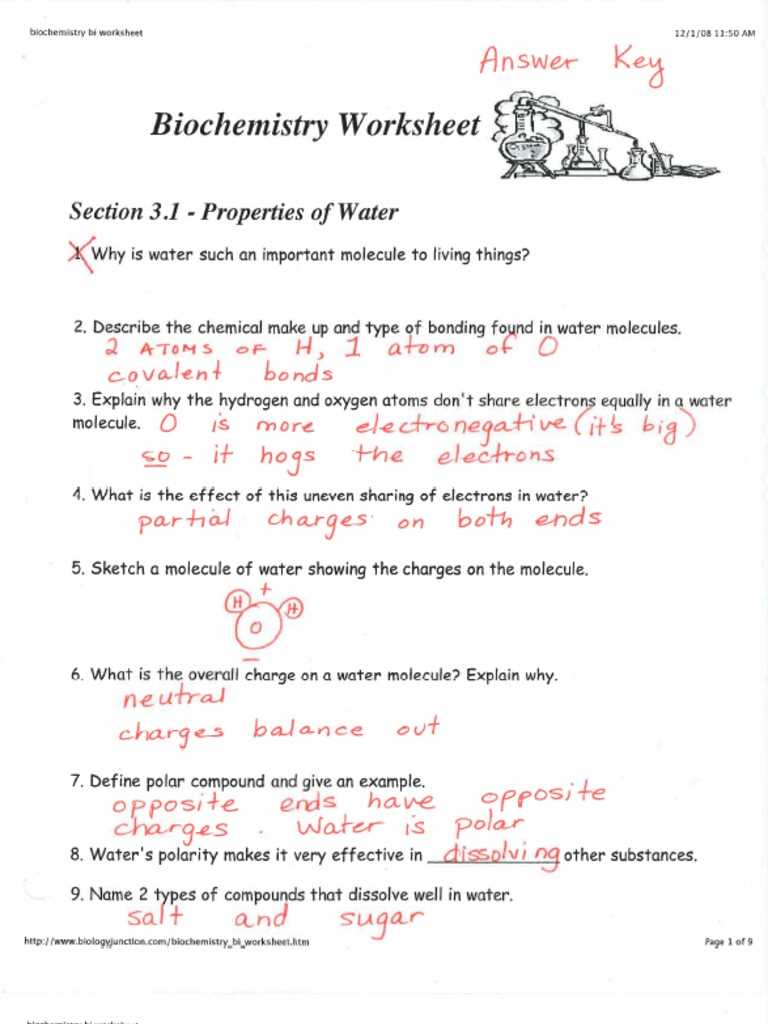
To master the complexities of biochemical processes, focus on understanding the core mechanisms behind enzyme activity and metabolic pathways. A strong grasp of how enzymes catalyze reactions and the impact of inhibitors on these processes will provide a solid foundation for solving related problems.
For effective learning, break down the various types of chemical reactions in biological systems. Concentrate on the steps involved in glycolysis, the citric acid cycle, and oxidative phosphorylation. These fundamental pathways are central to energy production and can be tackled systematically through practice and repetition.
Another key area to focus on is the structure and function of proteins. Understand how amino acid sequences determine protein shape and, consequently, their biological roles. Solving protein structure-related problems will require attention to details such as secondary, tertiary, and quaternary structures and how these relate to function.
Equally important is the study of nucleic acids, particularly DNA replication and repair processes. Familiarize yourself with the enzymes involved in these processes and the molecular mechanisms that ensure genetic information is accurately copied and repaired. Detailed knowledge of these steps is vital for solving problems in genetic diseases and molecular biology.
To refine problem-solving skills, practice applying the principles of thermodynamics and kinetics in biological systems. Use quantitative methods to approach complex biochemical calculations, ensuring you can navigate through experimental data and derive meaningful conclusions.
Biochemical Study Guide: Understanding Core Concepts and Processes
Focus on mastering the structure and function of biomolecules such as proteins, lipids, carbohydrates, and nucleic acids. Study how these molecules interact within cells to carry out vital processes like metabolism, signal transduction, and gene expression. Understanding these relationships is key for solving complex biochemical problems.
Start with metabolic pathways. Familiarize yourself with glycolysis, the citric acid cycle, and oxidative phosphorylation. These pathways are integral to energy production. Understand the enzymes involved, how they regulate these processes, and the role of cofactors and coenzymes in catalysis.
Protein function is another critical area. Focus on understanding how enzymes lower activation energy and the factors that influence enzyme activity, including temperature, pH, and substrate concentration. Learn how enzyme kinetics can be analyzed using Michaelis-Menten and Lineweaver-Burk plots, as this is crucial for interpreting experimental results.
Study the molecular mechanisms behind DNA replication, transcription, and translation. This knowledge is fundamental for understanding gene regulation and the inheritance of genetic traits. Pay attention to the roles of key enzymes such as helicase, polymerase, and ligase, as well as the structures that support these processes like ribosomes and the genetic code.
Review the principles of thermodynamics and kinetics in biological systems. Understand the concept of Gibbs free energy and how it relates to the spontaneity of reactions. Be able to calculate reaction rates and equilibrium constants, and apply these calculations to biochemical reactions to predict outcomes in biological contexts.
Regularly solve practice problems that involve calculating reaction rates, enzyme activity, and equilibrium states. These exercises will reinforce your theoretical knowledge and help you develop problem-solving skills necessary for biochemical analysis.
Understanding Core Reactions and Pathways in Cellular Metabolism
Focus on the major energy-producing pathways, starting with glycolysis. This pathway converts glucose into pyruvate, generating ATP and NADH. Understand the enzymatic steps and the role of intermediates like fructose-1,6-bisphosphate and phosphoenolpyruvate. Learn how glycolysis is regulated by feedback inhibition and activation by key metabolites such as AMP and ATP.
Next, study the citric acid cycle (Krebs cycle). This pathway takes acetyl-CoA and generates energy in the form of GTP, NADH, and FADH2. Review the key enzymes like citrate synthase, aconitase, and isocitrate dehydrogenase. Know how this cycle feeds into the electron transport chain and contributes to ATP synthesis.
Examine oxidative phosphorylation and the electron transport chain. In this process, NADH and FADH2 donate electrons to complexes in the mitochondrial membrane, creating a proton gradient that drives ATP synthesis. Understand how the flow of electrons through the complexes is coupled with proton pumping and how oxygen acts as the final electron acceptor.
Learn about fatty acid metabolism and its role in energy production. Beta-oxidation of fatty acids generates acetyl-CoA, which enters the citric acid cycle. Know the enzymes involved, such as acyl-CoA dehydrogenase, and the importance of carnitine in transporting fatty acids into the mitochondria for oxidation.
Study protein catabolism and its integration into metabolic pathways. Proteins are broken down into amino acids, which can then enter the metabolic network through various routes such as gluconeogenesis or the citric acid cycle. Understand transamination and deamination reactions and their relevance to nitrogen metabolism.
Understand the regulation of metabolic pathways. Enzyme activity is often modulated by allosteric effectors, covalent modification (like phosphorylation), and changes in gene expression. Study how hormones such as insulin and glucagon control these pathways in response to energy needs.
To solidify understanding, regularly practice reaction pathway diagrams. Visualizing the connections between different metabolic reactions will help clarify how they contribute to overall cellular functions. Apply this knowledge to predict metabolic responses under various physiological conditions.
How to Interpret Enzyme Kinetics and Inhibition Patterns
Focus on understanding the Michaelis-Menten kinetics, where enzyme activity is plotted against substrate concentration to determine key parameters: Vmax (maximum velocity) and Km (Michaelis constant). These parameters reflect the enzyme’s efficiency and affinity for its substrate. A low Km indicates high affinity, while a high Km suggests lower affinity.
Review the Lineweaver-Burk plot, the double reciprocal of the Michaelis-Menten equation. This linear representation of enzyme kinetics helps in calculating Vmax and Km more accurately. Pay attention to the slope and y-intercept, which provide crucial information on enzyme efficiency and inhibition types.
Study the effects of competitive inhibition, which increases the apparent Km without affecting Vmax. In competitive inhibition, the inhibitor competes with the substrate for the active site, leading to a higher substrate concentration required for half-maximal velocity.
In contrast, non-competitive inhibition decreases the Vmax without altering the Km. The inhibitor binds to an allosteric site, changing the enzyme’s shape and reducing its catalytic efficiency regardless of substrate concentration. Understanding this distinction helps in predicting how inhibitors affect enzyme function.
Uncompetitive inhibition is another key pattern, where the inhibitor only binds to the enzyme-substrate complex, lowering both Km and Vmax. This results in a unique set of kinetic parameters that differ from competitive and non-competitive inhibition.
Use experimental data and graphs to determine which type of inhibition is present. Comparing the reaction rates at various substrate concentrations with and without inhibitors can reveal the inhibition type and allow for the calculation of inhibition constants (Ki).
For deeper understanding, reference authoritative sources on enzyme kinetics, such as the article from NCBI, which provides a comprehensive guide to enzyme behavior under various conditions.
Decoding Metabolic Disorders and Their Molecular Causes
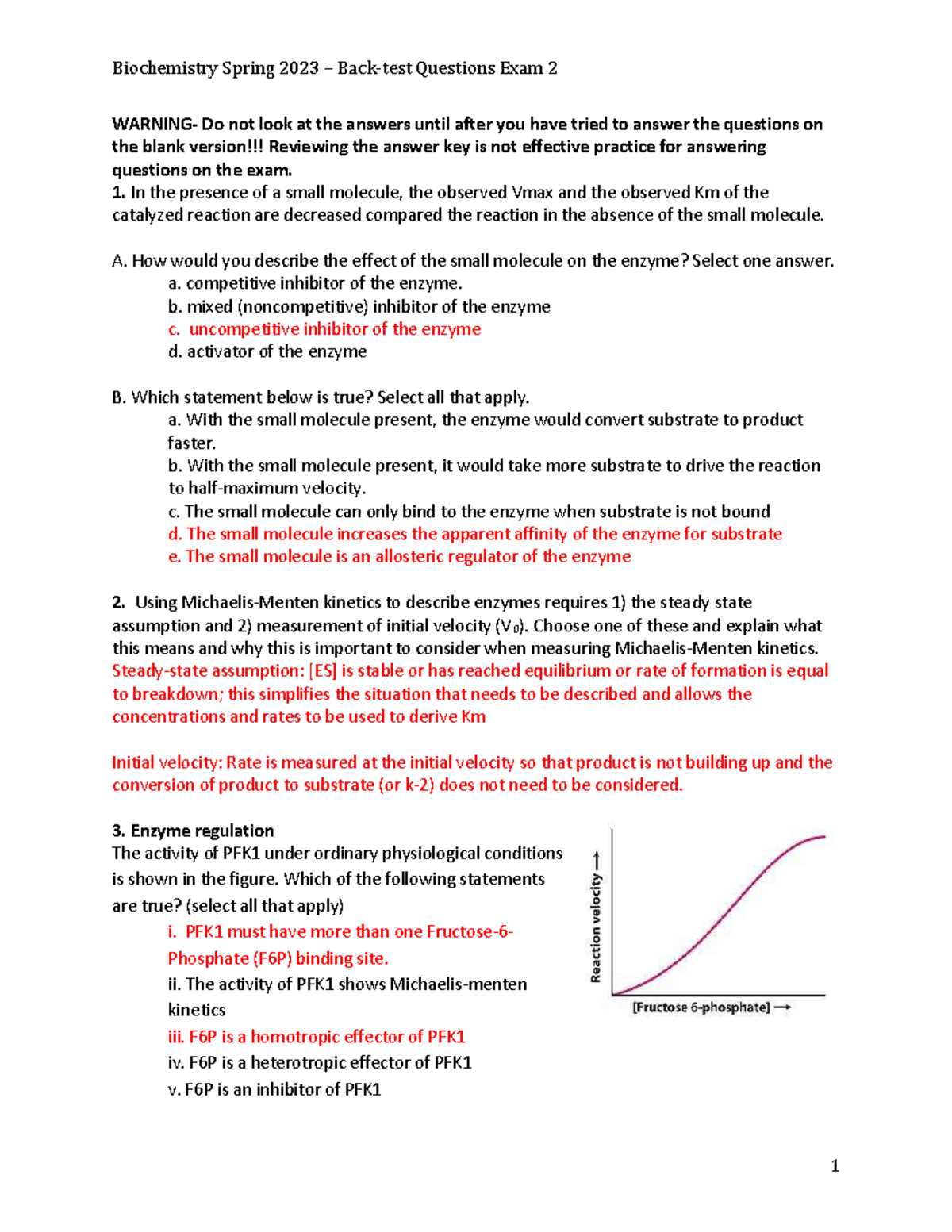
To understand metabolic disorders, begin by focusing on the defective enzymes or metabolic pathways involved. For example, in phenylketonuria (PKU), a mutation in the PAH gene prevents the conversion of phenylalanine to tyrosine, leading to the accumulation of phenylalanine, which can cause brain damage if untreated.
Another common disorder, galactosemia, arises from mutations in the GALT gene, which encodes the enzyme galactose-1-phosphate uridylyltransferase. This enzyme defect impairs the conversion of galactose to glucose, resulting in the toxic buildup of galactose-1-phosphate, affecting the liver, kidneys, and brain.
For disorders like cystic fibrosis, mutations in the CFTR gene disrupt chloride ion transport across membranes, leading to thick mucus buildup in organs like the lungs and pancreas. This causes respiratory and digestive problems due to impaired function in those organs.
Inborn errors of metabolism often involve abnormal accumulation or deficiency of metabolites, disrupting normal cellular function. Early diagnosis and intervention, such as enzyme replacement therapies or dietary adjustments, are critical in managing symptoms and preventing long-term damage.
Molecular diagnosis is key to identifying these disorders. Methods like PCR-based genotyping and enzyme activity assays help detect mutations in specific genes or the presence of dysfunctional enzymes, allowing for accurate diagnosis and personalized treatment strategies.
Understanding the molecular basis of metabolic disorders is vital for developing targeted therapies. For instance, enzyme replacement therapies for conditions like Gaucher’s disease or Pompe’s disease aim to restore missing or defective enzymes, significantly improving patient outcomes.
For more in-depth information on metabolic disorders, refer to NCBI, which provides comprehensive resources on molecular causes and diagnostic techniques for metabolic diseases.
Step-by-Step Guide to Solving Protein Structure and Function Problems
To approach protein structure and function problems effectively, follow these steps:
- Identify the Protein Type: Determine whether the protein is an enzyme, receptor, transport protein, or structural component. This will guide the type of analysis needed.
- Examine the Amino Acid Sequence: Use tools like BLAST to compare the sequence to known protein databases. Identify conserved domains that may indicate functional regions of the protein.
- Analyze 3D Structure: If the 3D structure is available, assess it using software like PyMOL or Chimera. Look for key structural motifs, such as alpha-helices, beta-sheets, and coiled-coil regions, that are important for protein function.
- Assess Active Sites and Binding Domains: If the protein is an enzyme or a receptor, identify active sites, binding pockets, or ligand-binding sites. These regions are critical for the protein’s function and interaction with other molecules.
- Consider Post-translational Modifications: Identify modifications such as phosphorylation, glycosylation, or acetylation, which can alter protein function and stability.
- Study Functional Pathways: Place the protein in its biological context by analyzing the metabolic or signaling pathways in which it participates. This will provide insights into its role in cellular processes.
- Test with Mutagenesis: Create mutations at specific sites in the protein’s structure to understand how changes affect its function. This will reveal critical regions responsible for activity or stability.
- Use Experimental Data: Incorporate experimental data such as X-ray crystallography, NMR, or cryo-EM for high-resolution structural information. Use these to validate hypotheses about function.
By following these steps, you can systematically break down the relationship between a protein’s structure and its function, leading to a deeper understanding of its role in biological processes.
Mastering the Principles of DNA Replication and Repair Mechanisms
To understand DNA replication and repair processes, follow these key steps:
- Understand the DNA Replication Process: DNA replication occurs during the S phase of the cell cycle. The process begins with the unwinding of the double helix by helicase, followed by the formation of replication forks. DNA polymerase then adds complementary nucleotides to the growing strands, ensuring accurate replication.
- Study Key Enzymes in Replication: Key enzymes involved in DNA replication include helicase (unwinds DNA), primase (synthesizes RNA primers), DNA polymerase (extends the strand), ligase (seals nicks), and topoisomerase (relieves tension in the DNA). Understand their specific roles in the replication fork.
- Learn About Leading and Lagging Strands: DNA replication is semi-discontinuous. The leading strand is synthesized continuously, while the lagging strand is synthesized in Okazaki fragments, which are later joined by DNA ligase.
- Explore Proofreading Mechanisms: DNA polymerase has proofreading capabilities through its exonuclease activity. It removes incorrectly paired nucleotides, ensuring high fidelity during replication.
- Understand DNA Repair Mechanisms: DNA repair mechanisms are crucial for maintaining genomic integrity. Key pathways include base excision repair (BER), nucleotide excision repair (NER), and mismatch repair (MMR). Each pathway detects and corrects specific types of damage, such as single-strand breaks or mismatched base pairs.
- Analyze the Role of Repair Enzymes: Repair enzymes, including DNA glycosylases, DNA ligase, and MutS/MutL complexes, play essential roles in detecting and correcting mutations. Understand how these enzymes function within each repair pathway to ensure accurate genome maintenance.
- Identify DNA Damage and Response Mechanisms: When DNA is damaged by external factors like UV radiation or chemicals, the cell activates damage response pathways, including the p53 tumor suppressor protein. This triggers cell cycle arrest and may lead to apoptosis if the damage is irreparable.
- Examine the Implications of DNA Repair Defects: Mutations in repair genes can lead to genetic diseases, such as xeroderma pigmentosum (NER defect) or Lynch syndrome (MMR defect). Understanding these defects underscores the importance of repair mechanisms in preventing cancer and other genetic disorders.
Mastering the principles of DNA replication and repair mechanisms provides a solid foundation for understanding cellular processes and how mutations affect health. This knowledge is crucial in fields like molecular biology, cancer research, and genetic counseling.
Analyzing the Role of ATP in Cellular Energy Transfer
ATP functions as the primary energy carrier in cells, playing a central role in powering cellular processes. It stores energy in its high-energy phosphate bonds, which can be rapidly released when the molecule is hydrolyzed.
To understand ATP’s role, focus on the following key aspects:
- ATP Hydrolysis: The process of breaking ATP into ADP and inorganic phosphate (Pi) releases energy. This energy is used in various cellular activities, such as muscle contraction, protein synthesis, and active transport across membranes.
- Energy Coupling: ATP is involved in energy coupling, where its hydrolysis drives endergonic reactions. For example, the synthesis of macromolecules like proteins requires energy, which is supplied by the breakdown of ATP.
- ATP in Cellular Respiration: During cellular respiration, ATP is produced through substrate-level phosphorylation, oxidative phosphorylation, and chemiosmosis. The majority of ATP is generated in the mitochondria, where the electron transport chain drives the synthesis of ATP from ADP and Pi.
- Role in Metabolic Pathways: ATP is crucial in various metabolic pathways, including glycolysis, the citric acid cycle, and oxidative phosphorylation. In each of these pathways, ATP acts as both a substrate and a product, facilitating energy transfer between reactions.
- Regeneration of ATP: The cell continuously regenerates ATP through processes like aerobic respiration and fermentation. The regeneration process ensures that energy is available for ongoing cellular activities, maintaining homeostasis.
- ATP and Transport: ATP powers ion pumps like the sodium-potassium pump, which maintains cellular ion gradients. These gradients are crucial for maintaining cell volume, nutrient uptake, and nerve impulse transmission.
- ATP and Signal Transduction: ATP also functions as a signaling molecule in pathways like cyclic AMP (cAMP) signaling. In these pathways, ATP is converted into cAMP, which activates downstream signaling cascades that regulate cellular responses.
In summary, ATP is indispensable for cellular energy transfer, enabling a wide range of biochemical processes that sustain life. Its ability to store and release energy efficiently makes it the energy currency of the cell.
Practical Approaches to Understanding Chemical Bonding in Biochemistry
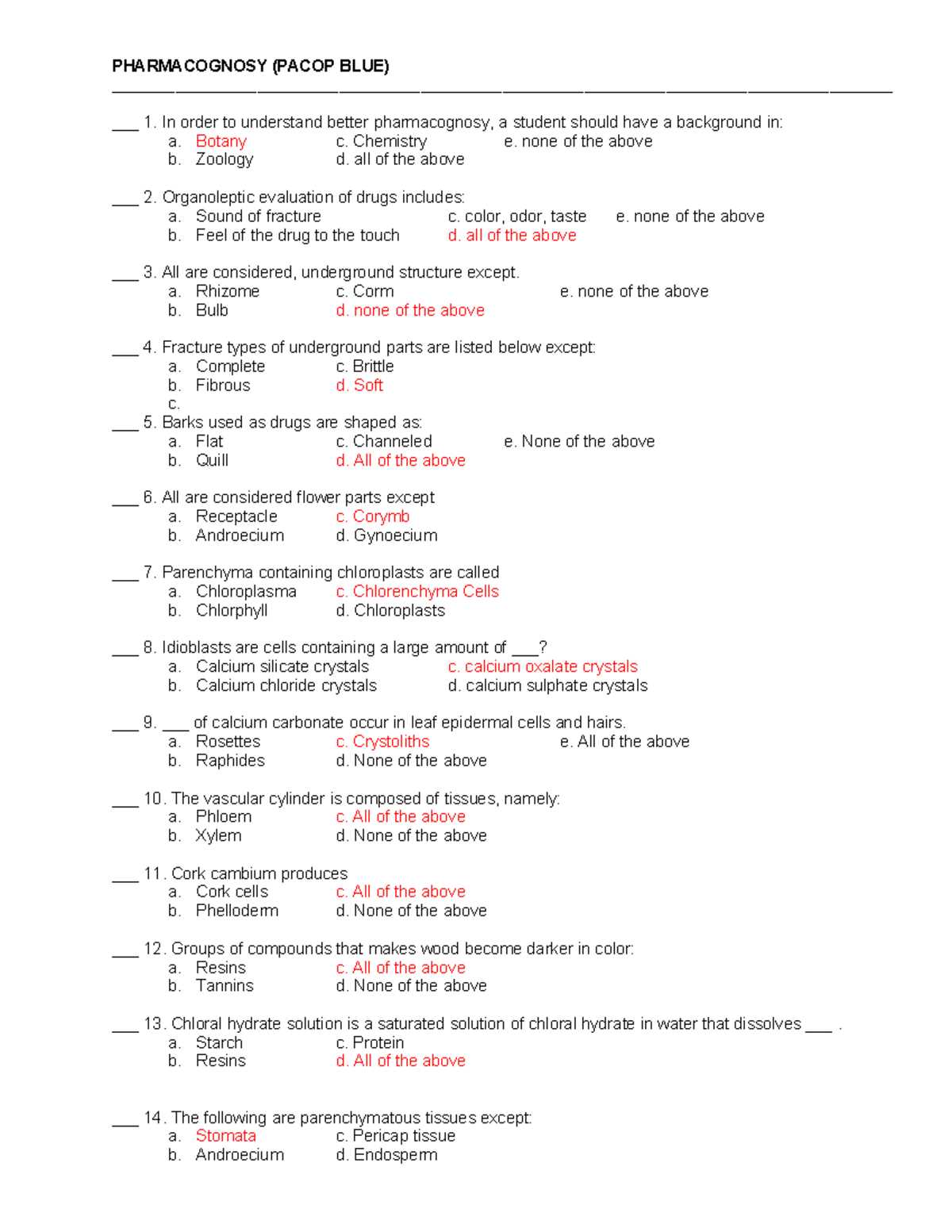
Chemical bonds play a pivotal role in determining the structure and function of biomolecules. Understanding these interactions is key to grasping how molecules interact within living systems. Focus on these practical approaches to improve your understanding:
- Covalent Bonds: These strong bonds form when atoms share electrons. In biomolecules like proteins and nucleic acids, covalent bonds between atoms in amino acid side chains or nucleotide bases are critical for maintaining structure and function. Consider exploring examples like peptide bonds in proteins or phosphodiester bonds in DNA.
- Hydrogen Bonds: Weaker than covalent bonds, hydrogen bonds are crucial for stabilizing three-dimensional structures of proteins and nucleic acids. For example, the double helix of DNA is held together by hydrogen bonds between complementary base pairs. Understanding these bonds can help in studying DNA replication and protein folding.
- Ionic Bonds: Formed through the electrostatic attraction between charged groups, ionic bonds contribute to the stability of biomolecules in aqueous environments. Analyze how ionic interactions influence the structure of enzymes or the folding of polypeptides in solution.
- Hydrophobic Interactions: Nonpolar molecules or regions of molecules tend to cluster together to avoid interacting with water. This drives the folding of proteins and the formation of lipid bilayers. A practical approach is to examine how hydrophobic amino acid residues fold in protein tertiary structures.
- Van der Waals Forces: Though weak, these forces are important for the fine-tuning of molecular interactions. Understanding how van der Waals forces affect protein-ligand binding can be useful when studying enzyme catalysis or drug design.
- Bonding in Catalysis: In enzymes, the formation of temporary bonds between substrates and active sites drives chemical reactions. Study how these interactions lower activation energy and facilitate biochemical transformations. Focus on examples like transition state stabilization during enzyme-substrate interactions.
- Cooperative Binding: Many biomolecules exhibit cooperative binding, where the binding of one molecule affects the binding of others. Hemoglobin is a prime example of cooperative binding in action. Analyze how the binding of oxygen to one subunit of hemoglobin influences the binding to other subunits.
- Charge Distribution in Macromolecules: The distribution of charges within large molecules can influence their interactions with other molecules. Explore the role of charge distribution in the function of enzymes, antibodies, and membrane proteins to understand their behavior in different cellular environments.
Mastering these types of chemical bonds and their roles in biological systems is essential for deeper insight into molecular function and interactions. Apply these concepts when examining molecular dynamics simulations or laboratory experiments involving molecular interactions.
Tips for Tackling Complex Biochemical Equations and Calculations
To approach intricate biochemical equations and calculations, consider these practical steps:
- Understand Units and Conversions: Ensure you are comfortable with different units (e.g., molarity, moles, concentration). Always convert units properly before applying equations to avoid errors. Familiarize yourself with common conversions like micromolar to molar or liters to milliliters.
- Identify the Variables: Carefully examine the equation to determine which variables are known and which need to be solved. Highlight the constants and unknowns to avoid confusion during calculations.
- Balance Chemical Equations: Always ensure that chemical equations are balanced before proceeding with calculations. This ensures that the stoichiometry is correct, which is critical for accurate results. Double-check atom and charge balance.
- Use Dimensional Analysis: Apply dimensional analysis to verify the correctness of your calculations. This method helps track units across the equation and confirms whether your final answer makes sense in terms of units.
- Focus on Stoichiometry: For reactions involving multiple molecules, always apply stoichiometric ratios between reactants and products. A solid understanding of molar ratios is key when converting from one substance to another.
- Break Down Multi-Step Problems: When dealing with complex problems that involve several steps, break them into smaller, manageable parts. Solve each part step by step, ensuring you check your work along the way to avoid compounding errors.
- Use Approximations When Needed: For particularly complex systems, approximations can help simplify calculations. For example, assuming ideal conditions or ignoring small contributions can make solving the equation faster and more practical without sacrificing too much accuracy.
- Check for Consistency: After performing a calculation, verify your answer by checking if it is consistent with the expected outcome. For example, check if your answer falls within a reasonable range based on the experimental context or known values.
- Review Common Formulas: Familiarize yourself with standard formulas such as the Michaelis-Menten equation, rate laws, and equilibrium constants. Understanding their application can streamline solving problems related to enzyme kinetics or metabolic pathways.
- Practice Regularly: Biochemical calculations become easier with consistent practice. Regularly solving problems builds your intuition and improves accuracy. Utilize available resources like textbooks, research papers, or online tools for further practice.
By following these strategies, you can confidently approach complex biochemical equations and improve both your speed and accuracy in solving them.