Animal Cell Diagram Labeling Guide for Organelles and Their Functions
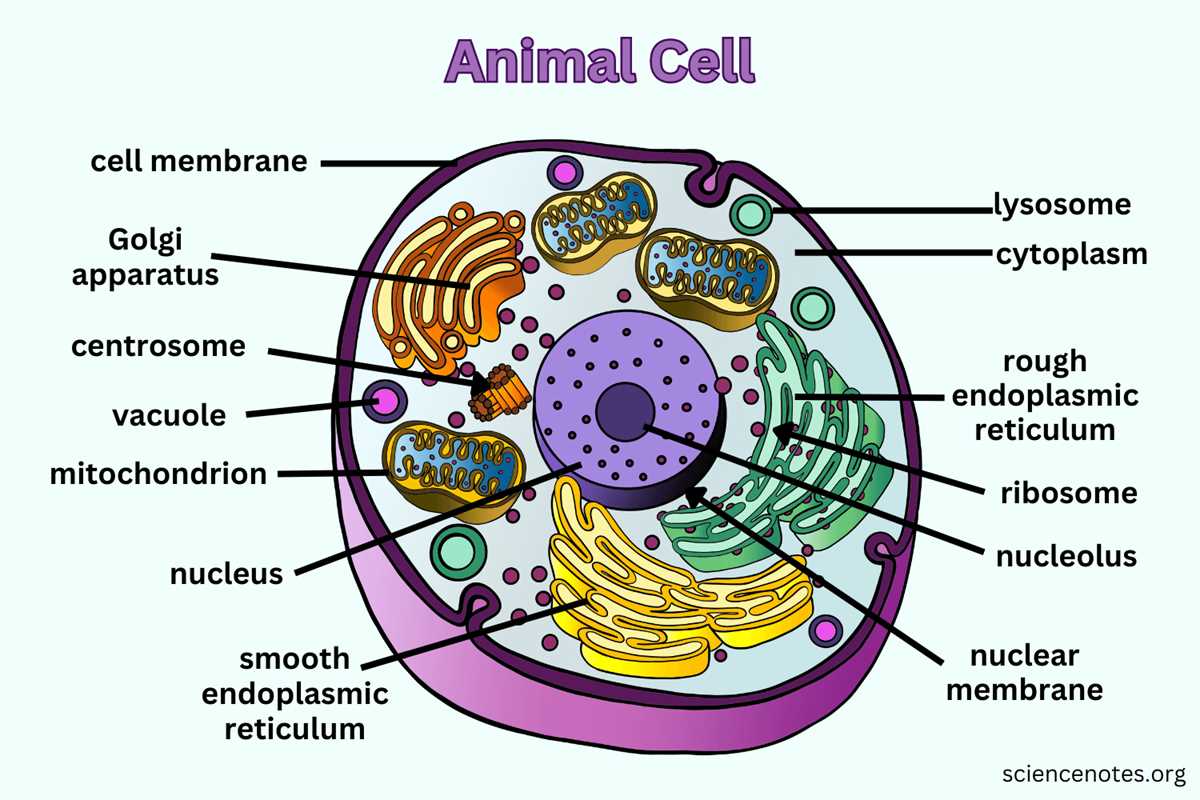
Prioritize matching each labeled part with a specific function, using standardized biological terminology such as nucleus, mitochondrion, Golgi apparatus, and rough ER. This approach removes ambiguity during review tasks and aligns student responses with widely accepted structural models.
Validate spatial placement by comparing the schematic’s layout with peer-reviewed illustrations: the nucleus centered or slightly offset, mitochondria dispersed throughout the cytoplasmic region, and Golgi stacks situated near the nucleus–ER interface. This verification prevents misinterpretation of similar shapes, particularly between lysosomes and peroxisomes.
Confirm terminology by cross-checking each label with primary references, ensuring distinctions such as smooth ER vs. rough ER or plasma membrane vs. cytoplasm boundary remain exact. This method supports accurate study assignments and consistent grading across multiple task types.
Structured Guide for Identifying Eukaryotic Micro-Unit Components
Match each labeled element with a verified function by checking core structures such as the nucleus for genomic control, the mitochondrion for ATP output, and the Golgi apparatus for protein modification and packaging. This method removes uncertainty during classification tasks.
Distinguish similarly shaped organelles by focusing on texture and placement: rough ER shows ribosome clusters, smooth ER appears tubular, and lysosomes remain smaller and more uniform than peroxisomes. This comparison limits mislabeling in practice assignments.
Confirm outer-boundary structures by checking whether the labeled perimeter refers to the plasma membrane or the inner fluid region commonly identified as cytoplasm. This clarification is necessary for precise structural mapping in student responses.
Identifying Organelles by Shape and Position
Use structural outlines to distinguish components: elongated bodies with folded internal membranes indicate mitochondria, while stacks of flattened sacs located near transport routes mark the Golgi apparatus.
Ribosome-dotted networks identify the rough ER, whereas smooth tubular pathways signal the smooth ER. Spherical acidic vesicles clustered near degradation zones correspond to lysosomes.
| Structure | Defining Shape | Typical Location |
|---|---|---|
| Mitochondrion | Oval body with folded inner lining | Dispersed throughout internal fluid matrix |
| Golgi apparatus | Stacked flattened sacs | Adjacent to transport vesicle hubs |
| Rough ER | Sheetlike network with ribosome dots | Encircling the central control unit |
| Smooth ER | Tubular and uniform | Extending from rough ER regions |
| Lysosome | Small spheres with dense interior | Clustered near recycling zones |
Distinguishing Membrane-Bound and Non-Membrane Structures
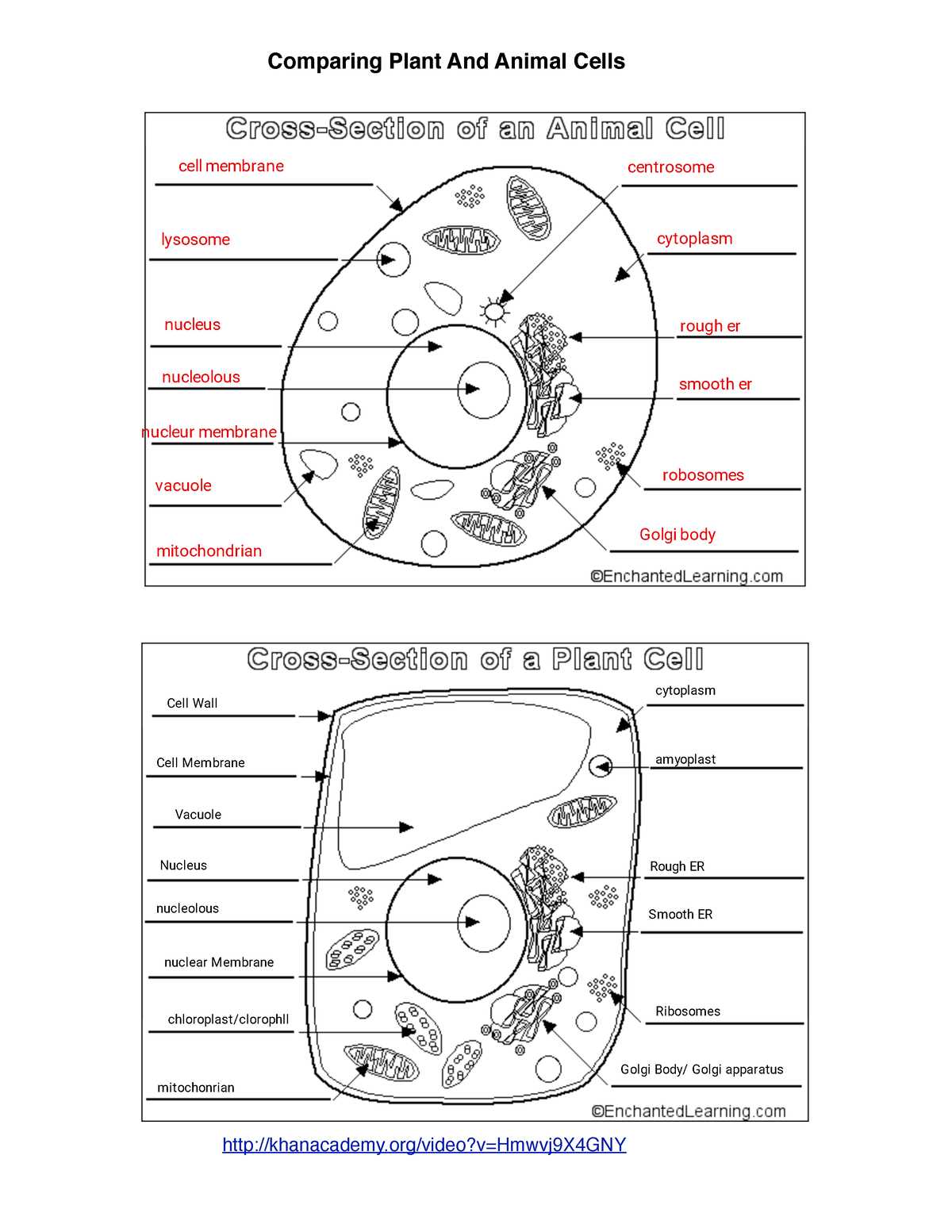
Select structures with enclosing layers by checking for a visible boundary: mitochondria, lysosomes, peroxisomes, and the Golgi network all display a defined outer contour that separates their interior from the surrounding matrix.
Identify components lacking such boundaries by locating units that appear directly suspended in the internal fluid: ribosomes, centrosomes, and the cytoskeletal framework remain uncovered, showing no encircling layer.
For tasks requiring classification, assign each structure to one of two categories: layer-surrounded units that operate within isolated compartments, and open units interacting freely with nearby substrates.
Matching Organelle Labels with Core Roles
Assign metabolic tasks first: link mitochondria to ATP generation, confirming their role by their double-layer envelope and folded inner surface.
Pair ribosomes with protein assembly, verifying their function by locating clusters attached to the rough synthesis network or dispersed in the internal fluid.
Connect the Golgi stack with sorting and packaging; this structure appears as flattened, layered pouches positioned near transport vesicles.
Relate lysosomes to breakdown duties, identifiable by their dense interior and rounded outline within the cytoplasmic space.
Map the nucleus to regulatory control by confirming the presence of a double boundary, nucleoplasm, and a central nucleolus responsible for ribosomal precursor formation.
Clarifying Structural Differences Between Similar Components
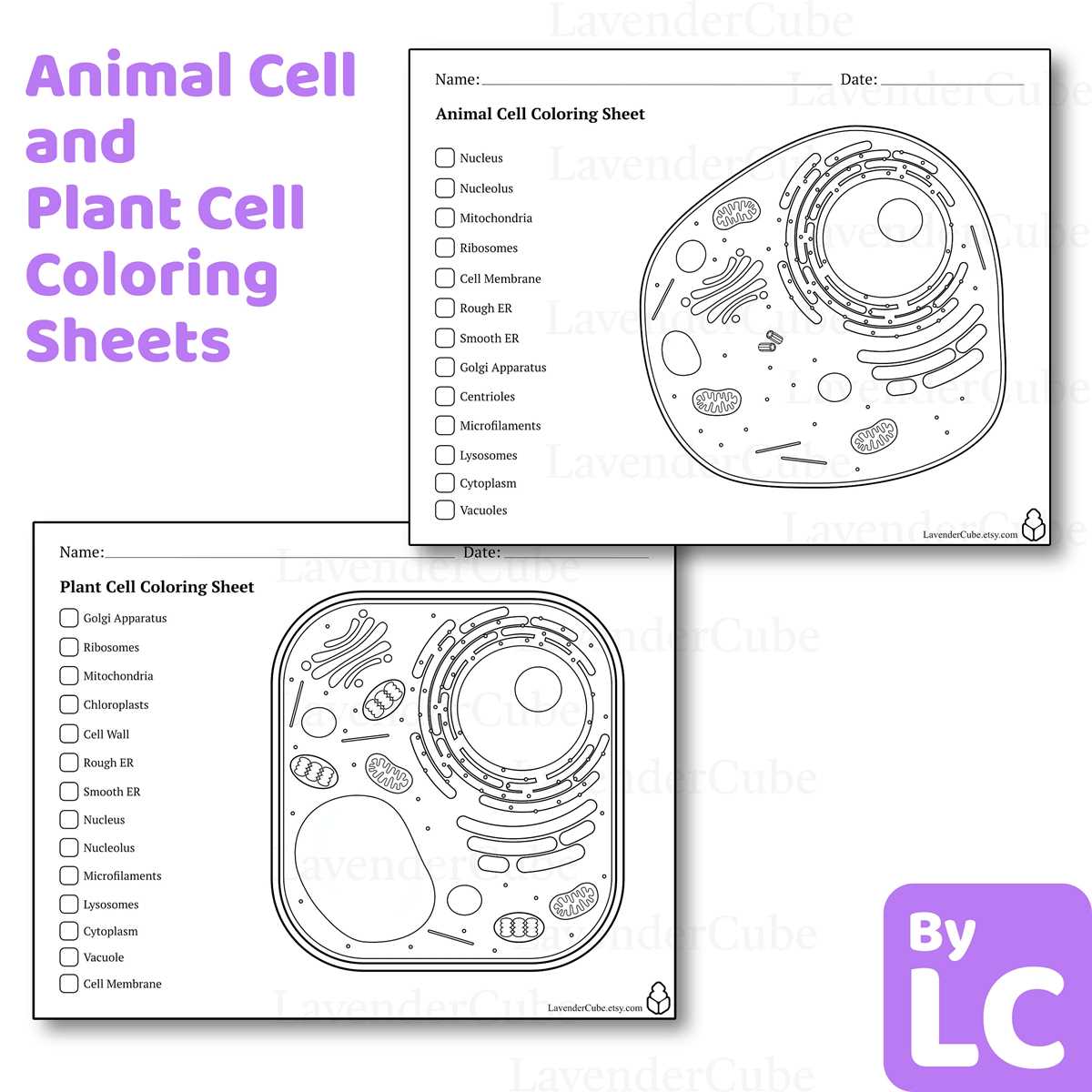
Differentiate the rough synthesis network from the smooth variant by confirming the presence of ribosomal clusters; the rough form displays dense granules along its surface, while the smooth form shows uninterrupted tubular folds.
Separate transport vesicles from lysosomal spheres by assessing internal density; vesicles hold light, uniform material, whereas lysosomal units contain darker, enzyme-rich content.
Distinguish mitochondrial bodies from elongated storage sacs by locating cristae; these inner folds appear exclusively in energy-producing structures and create a segmented interior absent in simple vacuole-like sacs.
Tell the Golgi lamellae apart from layered membrane stacks of the synthesis network by observing curvature; Golgi pouches curve and taper at the edges, while synthesis stacks remain broader and more uniform.
Verifying Organelle Functions Using Diagram Notations
Confirm functional roles by matching each symbol in the schematic with action-specific markers; for instance, a double-membraned oval with inner folds consistently corresponds to energy conversion tasks, indicated by dense line patterns near its interior.
Validate the role of the command center by locating the circular structure containing a darker core region, as most illustrations highlight regulatory responsibility through thicker boundary rings and centralized shading.
Check protein-processing duties by identifying stacked, curved plates positioned near transport bubbles; their annotated arrows usually trace movement toward secretion points, confirming their sorting capacity.
Verify degradative activity by finding small, dark spheres labeled with enzyme-related notations, often represented through stippled filling, indicating their involvement in molecular breakdown.
Cross-Checking Label Placement Against Standard Models
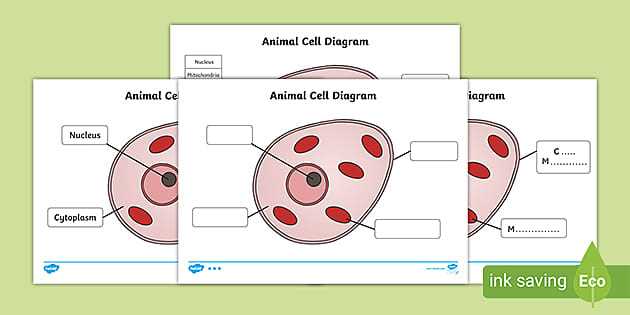
Confirm positional accuracy by comparing each tagged structure with verified academic schematics hosted on authoritative platforms such as the NCBI bookshelf: https://www.ncbi.nlm.nih.gov/books/.
Use a consistent routine to align your layout with widely accepted representations:
- Match the central control region to the reference layout, ensuring its boundary thickness and internal contrast follow the same convention.
- Verify that energy-producing units appear in the outer zones, maintaining the elongated outline and characteristic inner folds shown in standard resources.
- Check that protein-handling stacks occupy a curved, layered formation near transport bubbles, mirroring their typical orientation.
- Locate degradative spheres close to storage pockets, ensuring their dense shading aligns with academic illustrations.
For structured verification, follow this sequence:
- Open a trusted scientific model from the referenced library.
- Scan for positional anchors–central command region, boundary layer, transport network.
- Compare each label on your schematic to the reference’s spatial hierarchy.
- Flag mismatches where orientation, size, or adjacency diverge from the standard configuration.
Resolving Conflicts in Diagram-Based Terminology
Resolve naming inconsistencies by aligning each term with authoritative glossaries used in modern biology textbooks and peer-reviewed references.
Apply a structured method to prevent confusion in multi-source illustrations:
- Standardize terms for the control center, avoiding mixed usage such as “central body,” “command sphere,” or “genetic hub.” Choose one and use it throughout your layout.
- Distinguish transport channels by selecting either “rough network” or “granular network,” ensuring the label reflects the presence of ribosome clusters.
- Unify the name for curved processing stacks by choosing a single variant such as “packing complex” rather than alternating with “sorting plates.”
- Separate degradative spheres from storage pockets by enforcing consistent terminology shared by academic atlases.
For conflict resolution, follow this workflow:
- Collect all variant terms used in your schematic and list them side by side.
- Compare each one with terminology from a trusted academic publisher.
- Select the most widely adopted variant and eliminate competing synonyms.
- Update your entire layout so every repeated structure carries the same label and descriptive style.
Comparing Student Responses with Verified Cellular Data
Match each student label with authoritative structural information by referencing validated organelle descriptions from trusted academic sources.
Focus the comparison on measurable traits rather than general impressions:
1. Cross-check spatial placement. If a learner assigns the control center near the outer boundary, redirect the label toward the central region, where the genomic chamber is consistently positioned across verified models.
2. Validate texture-based clues. When a response identifies a smooth network as a protein-building site, correct the entry by confirming that granular channels containing ribosome clusters handle synthesis.
3. Review function-based mismatches. If a degradative sac is mistaken for an energy hub, confirm the role by comparing enzyme-rich content with ATP-producing structures that feature folded inner membranes.
4. Compare shape conventions. Rounded storage pockets, elongated power modules, and stacked processing plates each follow reproducible contours in curated biological references; use these shapes to verify accuracy.
Apply these checks consistently so every learner submission aligns with experimentally supported structural and functional data drawn from standardized scientific sources.