Understanding the Genetics of Sickle Cell Anemia
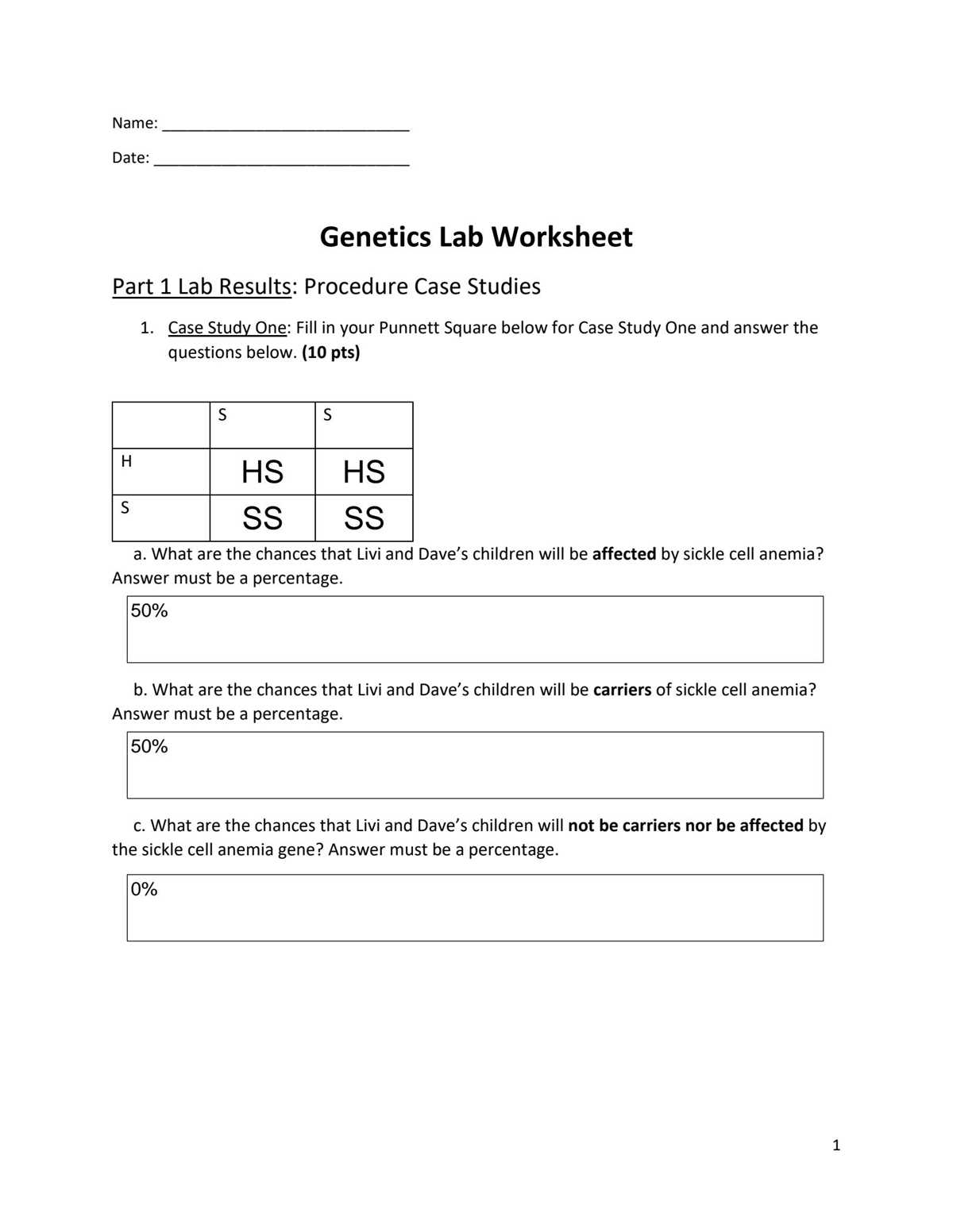
Mutations in the hemoglobin gene are responsible for the condition where red blood cells adopt a crescent shape, impairing their ability to carry oxygen efficiently. This mutation is inherited in an autosomal recessive pattern, meaning that both parents must pass on the mutated gene for the condition to manifest. Carriers, who inherit only one copy of the gene, usually do not show symptoms but can pass the gene to their children.
The primary mutation involved is a single base pair change in the DNA of the hemoglobin gene, resulting in the substitution of valine for glutamic acid at position 6 of the beta-globin chain. This change alters the shape and flexibility of the red blood cells, making them prone to blockages in blood vessels, leading to pain and potential organ damage. Understanding this mutation is key to understanding how the disease is both inherited and managed.
Genetic testing plays a critical role in diagnosing and managing this condition. Testing can identify carriers, individuals with the disease, and those at risk of passing it on to offspring. Newborn screening and prenatal testing help identify the condition early, allowing for better management and prevention of complications. While there is currently no universal cure, genetic therapies and treatments continue to progress.
The Genetics Behind Hemoglobin Disorders
A mutation in the hemoglobin gene causes red blood cells to assume a crescent shape, which reduces their ability to transport oxygen throughout the body. This condition occurs due to a single nucleotide substitution in the beta-globin gene, where adenine replaces thymine at position 6, resulting in the amino acid valine replacing glutamic acid. This molecular change affects the structure and function of hemoglobin, leading to the sickling of red blood cells under low oxygen conditions.
This trait follows an autosomal recessive inheritance pattern, meaning an individual needs to inherit two copies of the mutated gene–one from each parent–to display the symptoms of the disease. Those who inherit only one mutated gene become carriers and typically do not exhibit symptoms but can pass the gene on to their children. Carrier testing and genetic counseling are important for understanding the risks of inheritance in families.
Understanding this mutation is critical not only for diagnosing the disorder but also for developing treatments. While a full genetic cure is not yet available, advancements in gene therapy and stem cell research show promise for future interventions that could potentially modify the genetic code to correct the underlying mutation.
Understanding the Genetic Mutation Behind Hemoglobin Disorder
The genetic mutation responsible for this disorder occurs at a single point in the DNA sequence of the beta-globin gene, located on chromosome 11. A substitution of adenine (A) for thymine (T) in the sixth codon of the gene leads to the production of an abnormal form of hemoglobin called hemoglobin S (HbS), rather than the normal hemoglobin A (HbA).
This mutation causes the hemoglobin molecules to stick together when oxygen levels are low, forming long, rigid fibers. These fibers cause red blood cells to adopt a crescent or “sickle” shape, impairing their ability to move through small blood vessels and effectively transport oxygen to tissues. The sickled cells are more prone to breaking apart, leading to a reduced lifespan of the red blood cells and resulting in anemia.
Inheritance of the condition follows a recessive pattern. Individuals with two copies of the mutated gene (one from each parent) develop the full disease. Those with only one copy of the mutation are carriers (often referred to as having “sickle cell trait”) and typically do not show symptoms, though they can pass the mutation to their children.
Genetic testing and counseling are crucial for identifying individuals at risk and understanding inheritance patterns, especially for families with a history of the disorder or those from high-risk populations.
How Sickle Cell Disorder is Inherited and Passed Down
This disorder follows an autosomal recessive inheritance pattern, meaning that a person must inherit two copies of the mutated gene–one from each parent–to develop the condition. If an individual inherits only one copy of the gene, they become a carrier, often called having the “trait.” Carriers typically do not exhibit symptoms, but they can pass the mutated gene to their offspring.
For each pregnancy, if both parents are carriers, there is a 25% chance the child will inherit two copies of the mutated gene and develop the disorder, a 50% chance the child will inherit one copy and be a carrier, and a 25% chance the child will inherit two normal genes and be unaffected.
For individuals with one mutated gene and one normal gene, the chances of passing on the abnormal gene are 50%. It is important for individuals with a family history or at-risk populations to consider genetic counseling and screening to assess the likelihood of inheritance and potential risks for offspring.
The Role of Hemoglobin S in Sickle Cell Disorder
Hemoglobin S is a variant of normal hemoglobin, a protein in red blood cells responsible for transporting oxygen throughout the body. In individuals with this disorder, the hemoglobin S molecules undergo a change in shape when they release oxygen, causing the red blood cells to become rigid and crescent-shaped. These abnormally shaped cells can block blood flow through small blood vessels, leading to pain, tissue damage, and other complications.
The mutation that leads to the production of hemoglobin S is a single nucleotide change in the HBB gene on chromosome 11. This mutation replaces glutamic acid with valine at position 6 of the beta-globin chain. When hemoglobin S molecules are deoxygenated, they stick together, forming long, rigid strands that distort the shape of the red blood cells.
This abnormal hemoglobin contributes to the symptoms and complications of the disorder, including painful episodes (crises), anemia, and organ damage. People with two copies of the hemoglobin S gene (homozygous) are at risk for more severe symptoms, while those with one normal hemoglobin gene and one hemoglobin S gene (heterozygous) are carriers and typically experience milder effects.
For more detailed information, you can refer to the CDC page on sickle cell disease.
Genetic Testing Methods for Diagnosing Sickle Cell Disorder
To confirm the diagnosis of this blood condition, several testing methods are used. The most common and accurate techniques include:
- Hemoglobin Electrophoresis: This method separates different types of hemoglobin in a blood sample. It can identify the presence of hemoglobin S, which is characteristic of the disorder.
- High-Performance Liquid Chromatography (HPLC): This advanced technique quantifies and distinguishes various forms of hemoglobin. It provides detailed results for identifying abnormal hemoglobin variants, including hemoglobin S.
- DNA Analysis: Direct testing of the HBB gene using techniques like polymerase chain reaction (PCR) can detect mutations responsible for the disorder. This is particularly useful for identifying carriers and diagnosing early in newborns.
- Isoelectric Focusing: This method also separates different types of hemoglobin by their isoelectric points, allowing for identification of hemoglobin S in the blood.
Each method provides valuable insights into the presence of the disease and its severity. Hemoglobin electrophoresis and HPLC are typically the go-to methods for diagnosis, while DNA analysis is used for more specific genetic identification.
For more information, consult a CDC page on sickle cell disease.
How the Sickle Cell Trait Affects Carriers
Carriers of the abnormal hemoglobin gene, often referred to as having the trait, typically do not exhibit symptoms of the disease but can pass the gene to offspring. The primary characteristic of individuals with the trait is the presence of one normal and one abnormal hemoglobin gene. This condition is known as being heterozygous.
While carriers usually experience no significant health issues, certain situations can trigger mild symptoms, such as extreme physical exertion, dehydration, or low oxygen levels. These conditions may lead to a condition known as “exertional sickling,” which is typically short-lived and resolves once the triggering factors are alleviated.
Despite being largely asymptomatic, carriers are important in genetic counseling and family planning. If two individuals with the trait have a child, there is a 25% chance the child will inherit two abnormal hemoglobin genes and develop the full-blown disorder.
| Carrier Status | Possible Symptoms | Genetic Risk to Offspring |
|---|---|---|
| Carrier (heterozygous) | No significant health issues under normal conditions; mild symptoms in extreme cases | 25% chance of child having the full disorder if both parents are carriers |
Carriers should consider genetic counseling if planning for children, as testing can provide insights into the likelihood of passing the trait or the full disorder to offspring.
Environmental Factors That Impact Sickle Cell Disease
Various environmental conditions can trigger or worsen symptoms associated with this disorder. These factors include temperature extremes, altitude, physical exertion, and dehydration, all of which can lead to complications like pain crises or reduced oxygen levels in the blood.
- Extreme Temperatures: Cold weather can cause blood vessels to constrict, leading to reduced oxygen flow. Heat can cause dehydration, increasing the risk of symptoms.
- High Altitudes: Reduced oxygen levels in high-altitude environments can strain the body, increasing the likelihood of sickling in red blood cells and worsening symptoms.
- Physical Activity: Intense physical exertion can lead to dehydration and a drop in oxygen levels, both of which can trigger a painful crisis.
- Dehydration: Insufficient fluid intake thickens the blood, making it more likely for red blood cells to deform, leading to blockage in blood vessels and pain crises.
People with this disorder should take extra precautions when exposed to these environmental factors. Adequate hydration, avoiding extreme temperatures, and moderating physical activity are recommended. In high-altitude areas, supplemental oxygen may be required to prevent complications.
Current Advancements in Genetic Treatments for Sickle Cell Disease
Recent breakthroughs in gene therapy offer promising treatments for this condition. The main focus is on modifying the patient’s own stem cells to correct the underlying genetic mutation that causes the disorder.
- Gene Editing with CRISPR-Cas9: This technique allows precise alterations of the faulty gene responsible for the condition. By editing the gene in hematopoietic stem cells, researchers can potentially eliminate the mutation and produce healthy red blood cells.
- Gene Therapy: A method where a normal copy of the gene is inserted into the patient’s bone marrow cells. This helps the body produce normal hemoglobin, replacing the mutated version that causes the condition.
- Stem Cell Transplantation: This approach involves transplanting healthy stem cells from a matched donor to replace the patient’s faulty stem cells. It can cure the disorder but carries risks associated with the transplant process, such as graft-versus-host disease.
- Fetal Hemoglobin Inducers: Drugs are being tested that encourage the production of fetal hemoglobin, which can help reduce the effects of the mutated adult hemoglobin and alleviate symptoms.
These developments represent significant progress in the treatment of this condition, offering the possibility of more effective and permanent solutions in the near future. However, these treatments are still being tested and have not yet become standard practice.
Prevalence and Distribution of Sickle Cell Disease Across Populations
Prevalence varies significantly across different regions and populations. This condition is most common in areas where malaria is endemic, as carriers of the mutation have some resistance to malaria.
- Sub-Saharan Africa: High prevalence, with approximately 1 in 50 people carrying the mutated gene. In some areas, up to 30% of the population may carry the trait.
- Middle East and North Africa: Moderate rates of carrier status are found, particularly in regions like Saudi Arabia, Lebanon, and Egypt.
- India: The trait is present in some areas, especially in the southern and eastern regions, where genetic studies suggest a carrier rate of about 1 in 20.
- United States: More common among African Americans, with an estimated 1 in 12 people being carriers, and about 1 in 500 affected by the disease.
- Europe: The prevalence is lower but still significant in populations with African, Mediterranean, or Middle Eastern ancestry.
Understanding the distribution helps inform public health strategies and the focus of genetic screening programs, especially in regions with higher rates of the mutation.