Understanding the Impact of First Contact with European Civilizations
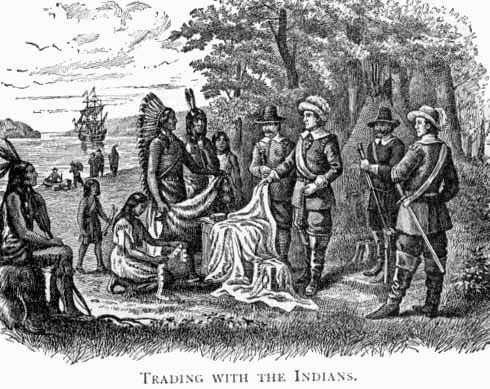
Examine the events surrounding the arrival of Europeans in the Americas and their initial interactions with indigenous groups. Key to these early exchanges were the differences in technology, culture, and worldview, which shaped the outcome of these meetings.
The arrival of explorers, merchants, and settlers brought both conflict and cooperation. These early meetings were marked by trade, the spread of new technologies, and cultural exchanges. However, they also led to misunderstandings, diseases, and ultimately, profound shifts in the social and political structures of indigenous societies.
Understanding the roles that these interactions played in shaping the history of both European and indigenous cultures is crucial. This article offers insights into how these encounters affected the development of new empires and the lasting legacies they left behind for the Americas and the rest of the world.
Encounters Between Indigenous Societies and Foreign Cultures
Early interactions between indigenous groups and explorers from distant civilizations introduced new ideas, technologies, and systems. These initial meetings were shaped by the exchange of goods such as food, metals, and tools, as well as the spread of diseases that had devastating effects on native populations.
While some indigenous groups engaged in trade and cooperation, others faced aggression or were displaced by new settlers. The introduction of foreign agricultural practices, new weapons, and governance systems radically transformed local societies. Additionally, the spread of European diseases like smallpox led to significant loss of life and altered the demographic makeup of the regions.
These encounters set the stage for future cultural and political exchanges, with lasting impacts on the development of new empires and social structures in the Americas. Understanding these pivotal moments helps clarify the complex relationship between indigenous peoples and foreign settlers that shaped the course of history.
Understanding the Initial Encounters between Foreign Explorers and Indigenous Peoples
The initial interactions between indigenous populations and explorers from distant lands were complex and often shaped by mutual curiosity, mistrust, and misunderstanding. Many of the indigenous groups encountered by early settlers had established sophisticated systems of governance, trade, and culture, which were dramatically altered by the arrival of outsiders.
For example, when settlers from the Iberian Peninsula reached the Americas, their interactions varied from peaceful exchanges and trade to violent confrontations. The spread of unfamiliar diseases, to which indigenous peoples had no immunity, resulted in devastating population losses. These early encounters also marked the beginning of a long period of colonization, as settlers sought to claim land and resources that were previously controlled by native groups.
The effects of these encounters are still felt today, with many indigenous communities continuing to confront the consequences of these early interactions. To gain a deeper understanding of these historical moments, it is useful to explore a variety of perspectives and consult primary sources such as the writings of explorers, indigenous accounts, and modern historical analyses.
For further reading, a reliable resource on these encounters can be found on History.com, which provides detailed articles on the impacts of early exploration on indigenous societies.
Key Historical Events during Early Exploration
In the late 15th and early 16th centuries, several pivotal moments shaped the trajectory of global exploration. One such event was the 1492 voyage of Christopher Columbus, sponsored by Spain, which led to the discovery of the Caribbean and initiated centuries of European exploration and colonization in the Americas. This marked the beginning of intense maritime activity aimed at establishing trade routes and expanding empires.
Another significant milestone occurred in 1519, when Ferdinand Magellan’s expedition set out to circumnavigate the globe. Though Magellan did not survive the journey, his expedition proved the feasibility of global maritime travel, reshaping global trade routes and reinforcing the significance of ocean exploration.
Additionally, the Portuguese efforts to establish trade outposts along the African coast and in Asia in the 15th century, led by explorers like Vasco da Gama, were crucial in establishing European dominance in global trade. The establishment of the Portuguese and Spanish empires in the Americas and parts of Asia also created a complex dynamic between indigenous peoples, settlers, and colonial powers.
For a deeper dive into these events, consult History.com, which provides a detailed account of the exploration period and its impact on world history.
Impact of European Diseases on Native Populations
Upon the arrival of explorers and settlers from distant lands, diseases such as smallpox, influenza, and measles spread rapidly among indigenous populations, often with devastating consequences. These illnesses, to which native groups had no prior exposure or immunity, resulted in death tolls that decimated entire communities.
For example, the smallpox epidemic in the 16th century was one of the most deadly diseases to affect indigenous peoples in the Americas. Smallpox alone is estimated to have caused the death of up to 90% of certain native populations, particularly in regions such as Mexico and Central America, where the Aztec and Inca empires collapsed largely due to disease spread.
Beyond immediate fatalities, these diseases disrupted the social structures, economies, and cultures of indigenous peoples. Entire generations were lost, leading to a breakdown in traditional ways of life, weakening resistance to further colonization, and resulting in the loss of vast knowledge and cultural heritage.
For more information on the effects of diseases on indigenous populations, visit History.com.
Technological Differences and Their Role in Early Interactions
The technological divide between indigenous groups and incoming explorers played a crucial role in shaping early encounters. European societies had developed advanced tools such as firearms, metal armor, and ocean-going vessels, which provided them with significant military and navigational advantages.
For example, the use of steel weapons and gunpowder allowed European explorers to dominate conflicts, while indigenous peoples primarily relied on tools made from stone, wood, and bone. This technological disparity often led to swift European victories in battles and facilitated the establishment of dominance over native lands.
In addition to warfare, the technological differences affected everyday life. The introduction of European agricultural tools and domesticated animals, such as horses and cattle, changed local farming practices and ecosystems. Similarly, the Europeans’ advanced shipbuilding techniques allowed them to establish permanent trade routes, altering the mobility of indigenous groups.
To explore more about the impact of these technological gaps, visit Britannica.
Trade and Cultural Exchange during the Initial Encounters
During the early interactions, trade became a significant aspect of the relationship between the indigenous groups and the newcomers. Valuable commodities such as furs, tobacco, and precious metals were exchanged for European goods like cloth, firearms, and tools. This exchange, though initially beneficial for both parties, often led to a shift in local economies, as indigenous populations became reliant on European trade goods.
Cultural exchanges also played a role in shaping these early interactions. Europeans introduced new technologies, agricultural practices, and architectural styles, while indigenous groups shared their knowledge of local flora, fauna, and survival techniques. These exchanges, however, were often imbalanced, with one culture dominating the other in terms of technological advancements and material wealth.
As trade networks expanded, so did the influence of foreign customs and practices. This had a lasting impact on local traditions, sometimes blending or replacing existing cultural practices. In many cases, these exchanges, both material and cultural, marked the beginning of long-term relationships that would dramatically alter the trajectory of indigenous societies.
How Initial Encounters Shaped Expansion into the Americas
The initial exchanges played a significant role in driving further exploration and colonization across the Americas. The promise of resources, such as gold and silver, fueled the ambition of explorers and settlers, leading to more expeditions. These early interactions demonstrated the economic potential of the New World, prompting various European nations to establish colonies in an effort to capitalize on the wealth they had encountered.
Moreover, the acquisition of land through treaties and settlements enabled European powers to assert control over vast territories. This strategic expansion was often justified by the notion of spreading Christianity and “civilizing” indigenous populations, a concept that motivated both settlers and explorers to push deeper into the continent. The establishment of trading posts and forts helped cement these footholds, creating permanent connections between Europe and the Americas.
New technologies, such as advanced navigation tools and military equipment, also played a pivotal role in this expansion. These innovations, combined with the establishment of profitable trade routes, allowed Europeans to navigate the vast unknowns of the Americas with greater precision and efficiency. The early stages of interaction thus laid the groundwork for sustained European involvement in the Americas for centuries to come.
Native Responses to Colonization Efforts
Indigenous groups initially reacted to foreign incursions in a variety of ways, depending on their specific circumstances and the nature of the invaders. Some communities attempted to establish peaceful relations through trade and alliances, hoping to gain advantages from the newcomers. Others, however, recognized the threat posed by foreign expansion and chose to resist the settlers with force.
Resistance often took the form of military conflict, as native populations sought to defend their lands, cultures, and resources. Many tribes engaged in organized warfare, using their knowledge of the land to counter foreign military tactics. However, the technological superiority of European settlers, particularly in terms of firearms and ships, often gave them the upper hand in these early encounters.
On the other hand, some groups chose strategic collaboration, seeing the newcomers as potential allies in rivalries with other native tribes. These alliances sometimes resulted in temporary advantages for certain indigenous peoples, but they often led to long-term repercussions, such as the spread of European diseases or the erosion of traditional power structures.
The introduction of new goods and technologies also had mixed effects. While some native communities adopted European tools, weapons, and crops, others viewed them as threats to their traditional ways of life. The long-term impact of colonization on indigenous responses was shaped by the ongoing pressures of foreign settlement, trade, and warfare.
The Long-Term Effects of Early European Exploration on Indigenous Societies
The arrival of foreign settlers profoundly impacted native populations in both immediate and lasting ways. Over time, indigenous communities experienced significant disruptions to their social, economic, and cultural structures. The introduction of foreign diseases decimated entire populations, leading to the collapse of many societies. Smallpox, influenza, and other illnesses to which natives had no immunity wiped out vast numbers, often before any direct interaction occurred.
Additionally, the establishment of foreign colonies resulted in the forced relocation of many indigenous peoples, disrupting traditional lifestyles and territories. Displacement from ancestral lands led to the breakdown of established social systems, loss of resources, and a rise in intertribal conflicts as competition for remaining land intensified.
Economic systems were also transformed as trade networks were altered or supplanted by European goods. Some native groups began to rely on European manufactured items such as metal tools, firearms, and textiles, which undermined traditional craftsmanship and self-sufficiency. However, these goods also created dependencies that often left indigenous groups vulnerable to exploitation and manipulation.
Culturally, many indigenous societies saw the erosion of their languages, spiritual practices, and traditions. Missionary efforts to convert native populations to Christianity often led to the suppression of native religious practices, while the imposition of foreign educational systems replaced indigenous knowledge and traditions with European values.
Despite the numerous negative impacts, some native groups adapted to the new reality, incorporating certain European practices while retaining aspects of their own culture. However, the long-term effects of these encounters are still evident today in the social, cultural, and economic challenges faced by many indigenous communities worldwide.