Understanding Tidal Seas on the Blue Planet
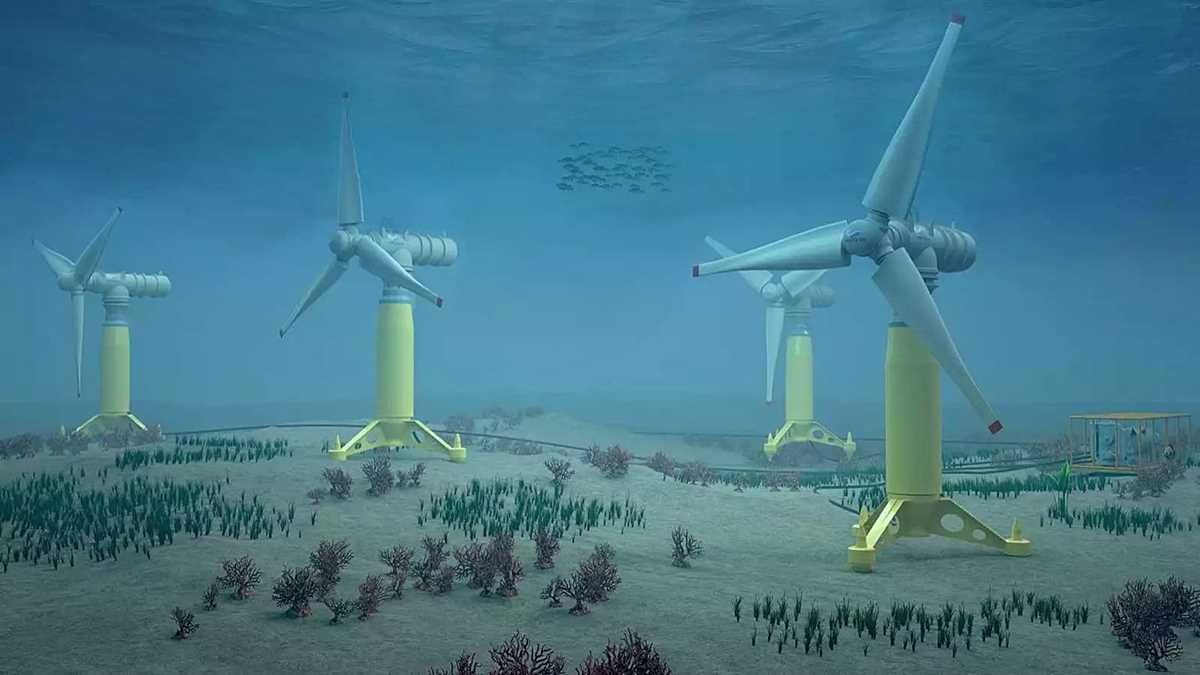
The gravitational pull of the moon causes the rhythmic rise and fall of ocean waters, known as tides. This regular motion is vital to numerous coastal ecosystems and affects everything from marine life to human activities. Understanding how these movements occur allows for better predictions and management of natural resources.
The two main types of tidal events–spring and neap–are defined by the positions of the moon and sun relative to Earth. Spring tides, occurring during the full moon and new moon, bring about the highest high tides and the lowest low tides. Neap tides, which happen during the first and third quarters of the moon, have a smaller tidal range, with less difference between high and low tides.
For more accurate predictions of these ocean movements, it’s important to study the gravitational forces at play and their interaction with Earth’s rotation. Tracking tidal patterns is crucial for everything from shipping navigation to understanding how rising sea levels may affect coastal areas.
Understanding Oceanic Movements and Their Impact
To predict the rise and fall of ocean waters, you must understand the forces at work. These fluctuations are primarily driven by the gravitational forces of celestial bodies and Earth’s rotation. Below are some practical insights into how these motions are structured and how they affect our environment.
- Spring Tides: Occur when the sun, Earth, and moon align, leading to the highest and lowest points of the water’s movement. These happen during full and new moons.
- Neap Tides: Occur when the sun and moon are at right angles to each other, leading to a smaller difference between high and low tides. This happens during the first and third quarters of the moon.
- Gravitational Forces: The primary force responsible for these ocean movements comes from the moon’s pull on Earth’s waters. The sun also plays a role, but its effect is weaker than the moon’s.
- Earth’s Rotation: The daily rotation of Earth causes the cycle of rising and falling tides, as different areas of the ocean are exposed to varying gravitational forces.
By understanding these basic principles, predictions can be made about the timing and height of tidal movements, which is critical for navigation, coastal management, and understanding environmental patterns.
How Ocean Movements Are Formed on Earth
Ocean movements are driven by gravitational forces, primarily from the moon and the sun, along with Earth’s rotation. These forces cause the water on Earth’s surface to shift, creating periodic rises and falls known as tides. The mechanism involves several key factors:
- Gravitational Pull: The moon’s gravity is the main driver of oceanic movements. It pulls water towards it, creating a bulge on the side of Earth closest to the moon. A second bulge forms on the opposite side due to centrifugal forces from Earth’s rotation.
- Sun’s Influence: While the sun’s gravity also affects the oceans, it is weaker than the moon’s. During spring tides, when the sun, moon, and Earth align, the combined gravitational forces lead to higher and lower tides. During neap tides, when the moon and sun are at right angles, the gravitational pull is weaker, resulting in less pronounced tidal movements.
- Earth’s Rotation: As Earth rotates, different areas of its surface are exposed to the gravitational forces of the moon and sun. This creates the cycle of rising and falling waters that occurs about every 12 hours.
This natural process occurs constantly, and its timing and intensity can be predicted based on the positions of the celestial bodies. Understanding these movements is crucial for coastal management, navigation, and understanding marine ecosystems.
Types of Ocean Movements: Spring and Neap
Two primary types of ocean movements occur each month: spring tides and neap tides. Each type is a result of the relative positions of the Earth, moon, and sun. Understanding the differences between these two tidal events is important for predicting water levels and their effects on coastal areas.
- Spring Tides: These occur when the moon, Earth, and sun are in alignment, either during a full moon or a new moon. The gravitational pull of the sun and moon combine, creating higher high tides and lower low tides. Spring tides result in more extreme tidal fluctuations, with a greater difference between high and low water levels.
- Neap Tides: Neap tides occur when the moon is at a right angle to the Earth-sun line, during the first and third quarters of the moon. In this case, the gravitational forces of the sun and moon partially cancel each other out, leading to lower high tides and higher low tides. Neap tides have a smaller range, with less variation between high and low water levels.
Understanding these two tidal phenomena is important for various applications, including navigation, coastal development, and marine ecosystem monitoring. Spring tides provide greater variation and can lead to coastal flooding, while neap tides tend to have more stable conditions.
The Role of the Moon in Ocean Movements
The moon’s gravitational pull is the primary factor driving ocean movements on Earth. It causes the water to be pulled toward it, resulting in a bulge on the side of the Earth facing the moon. This creates high tide in that area.
On the opposite side of the Earth, another high tide occurs due to the centrifugal force created by the Earth’s rotation and the moon’s gravitational pull. These two tidal bulges–one on the side facing the moon and one on the opposite side–are responsible for the cyclic rise and fall of the ocean’s surface, known as the ebb and flow of tides.
When the moon, Earth, and sun align during a full moon or new moon, their combined gravitational forces create more extreme variations in water levels, known as spring tides. Conversely, when the moon is at a right angle to the sun-Earth line, during the first and third quarters of the moon, the tides are less pronounced–these are known as neap tides.
In summary, the moon’s gravitational force directly influences the ocean’s water level, leading to regular, predictable changes in the coastal environment. Its position relative to the Earth and sun determines the intensity of these movements.
How Ocean Currents Affect Water Movements
Ocean currents play a significant role in influencing water levels along coastlines. These currents can either enhance or reduce the effects of regular water level fluctuations caused by the moon’s gravitational pull. The movement of water driven by ocean currents interacts with the forces generating water rises and falls, creating complex patterns in some regions.
When strong currents move toward the shore, they can increase the height of the water, leading to higher-than-normal tides. Conversely, when currents move away from the shore, they can cause lower water levels, exacerbating the ebb phase of tidal movement. This interaction is especially noticeable in areas where currents are fast-moving, such as along narrow straits or near continents.
Another factor is the effect of ocean currents on the distribution of water masses. In some areas, warm or cold water currents can alter the local water temperature and density, which in turn affects the height and timing of the tides. For instance, when cold water currents move toward coastal areas, they can lower the surface water temperature, slowing the tidal process.
Ultimately, while the primary cause of water movement is the gravitational pull of the moon, ocean currents modify the intensity and regularity of those changes, creating varied tidal patterns in different regions of the globe.
Impact of Water Movement on Coastal Ecosystems
The constant rise and fall of water levels along coastlines significantly influence the habitats of marine organisms. These shifts create dynamic environments that support a wide variety of life, from intertidal zones to deep coastal waters. Regular changes in water height provide essential nutrients and oxygen to organisms living in coastal areas, such as fish, crustaceans, and mollusks, while also removing waste products. This process helps maintain the balance of the ecosystem.
In addition, the movement of water brings nutrients from deeper waters to the surface, which supports primary producers like algae and plankton. These organisms form the foundation of coastal food chains, providing food for a variety of marine life. The nutrients and sediment carried by moving waters also help maintain the health of coastal wetlands, mangroves, and estuaries, which act as nurseries for many species.
The fluctuating water levels also play a role in the distribution and abundance of species in coastal areas. For example, certain plants and animals are adapted to survive in the upper intertidal zone, where they face exposure to air and sunlight during low water periods. Others thrive in the subtidal zones, where water remains consistently deeper. These shifts in habitat availability allow for a diverse range of species to coexist and interact.
However, disruptions to these natural water movements, such as those caused by human activities or climate change, can have detrimental effects. Alterations in water flow patterns can lead to the loss of habitats, changes in species composition, and decreased biodiversity. Protecting the natural rhythms of water movements is crucial for maintaining the health of coastal ecosystems.
Human Activities and Their Influence on Water Movements

Human activities such as coastal development, construction of dams, and pollution significantly alter the natural rhythms of water motion along coastlines. Building structures like harbors, seawalls, and piers can disrupt the natural flow of water, affecting the way it moves along shorelines. This interference often leads to changes in local water levels, reducing the natural ebb and flow that supports marine life.
Pollution from industrial, agricultural, and urban runoff can introduce harmful chemicals into the water, which impacts the health of marine organisms. These pollutants can reduce oxygen levels, disturb habitats, and hinder the ability of species to thrive. Additionally, rising global temperatures due to human-induced climate change are affecting sea levels and the frequency of extreme water events, such as floods and droughts, further complicating the natural movement of water.
Large-scale activities like oil drilling and the construction of offshore platforms can also disrupt the natural processes of the ocean. These structures can change the flow of water currents and contribute to the alteration of ecosystems, potentially leading to the loss of biodiversity in coastal areas. Furthermore, human-induced climate change accelerates the melting of polar ice caps, contributing to rising sea levels, which, in turn, influence the frequency and intensity of water movements.
To mitigate these effects, it is necessary to adopt sustainable practices in coastal development and reduce human impact on water systems. Implementing better waste management, reducing carbon emissions, and restoring damaged ecosystems can help restore natural water cycles and protect the health of coastal environments.
Predicting Water Movement Patterns and Their Importance
Accurate prediction of water cycles is fundamental for various practical applications, such as navigation, fishing, coastal management, and energy generation. The movements of water are driven primarily by the gravitational pull of the moon and the sun, but other factors like local geography and wind patterns also play significant roles. By analyzing these factors, it is possible to forecast water levels and movement patterns with high precision.
To predict these cycles, scientists use models that incorporate astronomical data, such as the position of the moon and sun, as well as oceanographic information like the depth of water and coastline features. This allows for the creation of tide tables and charts, which are essential for industries relying on predictable water conditions. For example, fishing industries use tidal forecasts to determine the best times for catching certain species, while ships and boats rely on tide predictions to safely navigate coastal waters.
Forecasting these cycles also plays a crucial role in coastal protection and management. Understanding patterns helps engineers plan for potential flooding, monitor erosion, and ensure the safety of infrastructure. In energy production, accurate predictions are necessary for tidal energy plants, which rely on specific water flow conditions to generate electricity. Moreover, environmental scientists use this data to monitor the health of ecosystems, ensuring that species dependent on predictable water movements remain stable.
Reliable prediction of water cycles also supports climate change studies. As sea levels rise and the frequency of extreme water events increases, the ability to predict these patterns will become even more important. For more information on current ocean movement research and prediction models, visit reputable sources like the National Oceanography Centre.
Effects of Climate Change on Water Movement Patterns
Climate change significantly influences water behaviors, affecting both the frequency and intensity of movement cycles along coasts. As global temperatures rise, the melting of polar ice caps contributes to higher sea levels, which directly impacts the behavior of waves and water movement. Increased sea levels lead to stronger and more frequent flooding in coastal areas, especially during high water events. This is evident in regions experiencing higher-than-usual water rise and more pronounced shifts between high and low tides.
Rising temperatures also contribute to altered atmospheric patterns, which can change wind directions and intensify ocean currents. These shifts influence the force and rhythm of waves, affecting the timing and intensity of coastal water movement. For instance, stronger winds can cause more rapid fluctuations in water levels, making accurate prediction more complex.
In addition, changes in ocean temperature disrupt ecosystems that rely on consistent water behaviors. Warmer oceans can lead to a shift in marine life patterns, as certain species may migrate due to changes in the timing or intensity of water movements. This can result in disruption of local fisheries and the health of coastal ecosystems.
The frequency of extreme weather events is also rising, including storms and hurricanes that exacerbate fluctuations in water levels. These events not only impact coastal infrastructure but also interfere with marine ecosystems and habitats. Understanding the interplay between climate change and water movement patterns is vital for long-term planning, particularly in coastal urban areas and regions dependent on marine resources.