Complete Guide to Solving Escape Room Puzzles and Challenges

Begin by thoroughly analyzing each puzzle. Identify keywords or patterns that might provide clues for the next step. Pay close attention to symbols, numbers, or hidden messages that could lead to the solution.
When encountering a difficult challenge, break it down into smaller parts. Look for connections between different clues and try to relate them to previous puzzles. Often, one puzzle’s solution can provide insight into the next.
Don’t underestimate the importance of teamwork. Communicate with your group to ensure everyone shares their findings. Collaborating efficiently can save valuable time and reveal patterns that one person alone might miss.
Stay focused and keep track of time. Managing your approach and maintaining composure during tricky situations will improve your chances of solving the puzzles quickly. Take breaks if needed to reset your mindset.
Step-by-Step Guide to Solving Puzzle Challenges
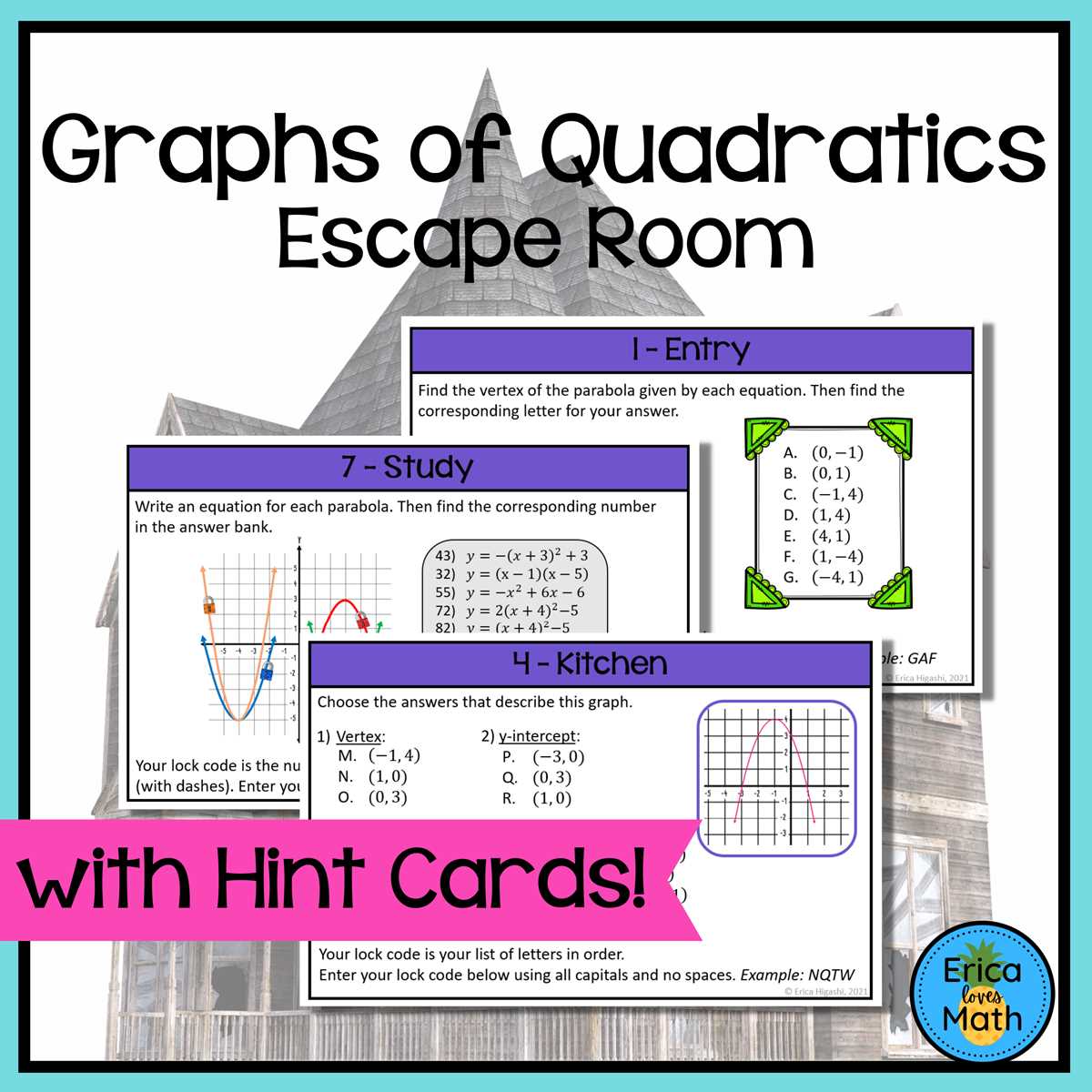
Begin by identifying all visible clues. Look for numbers, letters, and unusual markings that may point toward hidden meanings. Pay attention to patterns and sequence order that might help with further decoding.
When you hit a roadblock, step back and assess the puzzle from a different angle. Sometimes, the answer lies in rearranging the clues or considering an alternative method of solving. If there are combinations involved, make sure to try various possibilities systematically.
Group clues together logically. Often, solving one piece of the puzzle will help unlock the next. Look for connections between unrelated items and check if they fit into a larger sequence or narrative within the challenge.
Always communicate with your team. Each participant may notice different details that are crucial for solving a specific task. Collaboration can help spot patterns or relationships that others may overlook.
If the solution is still elusive, consider asking for hints if available. A hint can refocus your attention on an important aspect of the puzzle you may have missed earlier.
How to Understand Puzzle Clues
Look for patterns and repetitions in the clues. If a sequence or symbol repeats, it’s likely a key part of the puzzle. Focus on those details to form potential connections.
Analyze the context of the clue. Sometimes a clue might reference a theme or object already present in the challenge. Recognize how each clue fits into the overall narrative or environment.
Consider wordplay and hidden meanings. Puzzles often use metaphors, homophones, or double meanings. If a clue seems ambiguous, think about alternative interpretations of the words used.
Break down complex clues into smaller components. If a clue is difficult to solve, split it into parts and try to solve each section individually. This can make the puzzle more manageable and easier to decode.
If a clue includes numbers or letters, test common ciphers like Caesar shifts or simple substitution codes. These are often used to hide answers within a puzzle.
Pay attention to the order of operations. Some clues may require you to complete steps in a specific sequence. Check for hints that suggest the proper order and avoid rushing through tasks.
Decoding Common Puzzle Types
Pattern recognition puzzles require identifying repeating elements. Look for sequences of numbers, symbols, or shapes that may reveal a hidden message when arranged properly.
Word puzzles often involve anagrams, cryptic clues, or ciphers. If you encounter unfamiliar terms or scrambled words, consider using common decryption methods or unscrambling techniques to find the solution.
Physical puzzles frequently require manipulating objects in a certain order. Pay close attention to the placement of items or the way they fit together, as these often provide crucial hints for progressing.
Logic puzzles demand careful reasoning and attention to detail. Use elimination strategies, and if there are multiple clues pointing in different directions, focus on the ones that align logically with each other.
Colour-based puzzles involve finding specific hues or shades that are important to the solution. Use light or angle to reveal hidden colours or patterns that may not be visible at first glance.
Math puzzles may include equations or number-based riddles. Apply basic mathematical operations or simple formulas to decode these clues, and check for common mathematical patterns such as prime numbers or Fibonacci sequences.
Sound or auditory puzzles require keen listening. Look for hidden sounds or subtle changes in volume, pitch, or rhythm that could be part of the code you’re trying to decipher.
Using Logical Reasoning to Solve Challenges
Start by identifying patterns and connections. Many challenges rely on recognizing relationships between objects, symbols, or numbers. Look for recurring themes or sequences that may provide the next step.
Apply elimination techniques. If there are multiple options for a solution, discard the ones that don’t fit the given clues or logic. This reduces the complexity and narrows down possible answers.
Break down complex problems into smaller parts. Instead of trying to solve everything at once, focus on one element at a time. Solve individual components and piece them together to form the final solution.
Use deductive reasoning. When provided with a set of clues, use what you know to rule out certain possibilities and confirm others. Often, solutions become clear once the incorrect options are eliminated.
Look for contradictions. If something doesn’t seem to fit, reconsider its meaning. A key clue might be hidden in what appears to be an anomaly or inconsistency.
Stay organized. Keep track of the clues and solutions you’ve already explored. A logical approach involves methodically documenting each step to prevent confusion and ensure no crucial detail is overlooked.
Collaborate with others. Logical reasoning often benefits from multiple perspectives. Sharing thoughts and discussing ideas can lead to new insights and more effective problem-solving.
Tips for Managing Time and Staying Calm During Puzzles
Prioritize tasks. Begin by quickly scanning the available clues and deciding which ones seem the most promising. Tackle these first, and don’t get bogged down by less important details.
Set time checkpoints. Divide the time limit into smaller segments. If you’re approaching a checkpoint and progress seems slow, re-assess the situation to ensure you’re on the right track.
Keep communication clear. Avoid overloading the group with too many ideas at once. Instead, discuss one solution at a time, ensuring everyone understands the approach before moving forward.
Take short breaks if needed. If frustration builds, take a deep breath and step away from the puzzle for a moment. A brief pause can reset your mind and help you approach the challenge with renewed focus.
Stay organized. Keep clues, notes, and potential solutions in a visible, accessible space. A cluttered area can lead to confusion and wasted time as you search for the right information.
Don’t dwell on mistakes. If an approach fails, quickly move on and try something new. Keep the energy positive and avoid letting setbacks negatively impact the team’s morale.
Trust the process. Remain patient and focus on logical steps. Even if the solution isn’t immediately clear, keep working through possibilities in a systematic manner without panicking.
Working Together: Collaboration Strategies for Team Success
Assign specific roles. Make sure each team member focuses on one task or puzzle at a time. This avoids duplication of effort and ensures that no part of the challenge is overlooked.
Share information immediately. When a clue is found or a new idea emerges, communicate it to the team without hesitation. Quick exchange of information keeps everyone aligned and accelerates progress.
Encourage active listening. Give each person the chance to share their thoughts, and listen carefully to all ideas, even if they initially seem off track. Sometimes, the solution lies in the smallest detail.
Stay flexible. Be willing to change strategies if something isn’t working. If one approach fails, don’t be afraid to try a new one. Team success relies on adaptability and openness to change.
Maintain a positive environment. Keep spirits high, even when puzzles seem difficult. A calm and upbeat attitude helps reduce stress and keeps the team moving forward.
Divide and conquer. If there are multiple puzzles, split them up so everyone has something to focus on. This prevents bottlenecks and increases the chances of finding solutions faster.
Utilize each member’s strengths. Identify each person’s skills and interests, then assign tasks accordingly. This will increase the efficiency and effectiveness of your approach to solving challenges.
Check in regularly. Take short pauses to evaluate the team’s progress. This allows everyone to reassess and shift focus if necessary, ensuring that no important detail is missed.
How to Spot Hidden Objects and Messages in the Room
Check every surface carefully. Hidden objects and notes can be tucked into corners, behind furniture, or under objects. A simple shift or adjustment can reveal something important.
Look for unusual patterns or symbols. Items with markings or strange symbols often have hidden meanings. Pay attention to any inconsistencies in the environment that could indicate something is concealed.
Examine everyday objects. Common items like books, picture frames, and lamps often hide messages or objects. These might not be immediately obvious, so inspect them closely.
Use a flashlight. Hidden objects may be easier to spot under low light or in hard-to-reach areas. A flashlight can help you see faint details or markings that are otherwise invisible to the naked eye.
Look for clues that break the pattern. If something stands out–whether it’s an oddly placed item or a misaligned object–inspect it. These small details often lead to the discovery of hidden elements.
Check for hidden compartments. Furniture, walls, or even floors may have secret panels or drawers. These can be hard to find, so gently probe with your hands or use a tool to open any possible hidden spaces.
Look for coded messages. Some clues may be disguised as puzzles or codes, like scrambled letters, numbers, or shapes. These require attention to detail and logical thinking to decode.
Collaborate with your team. Different perspectives help spot things others might miss. If you’re stuck, ask your teammates to review the space or recheck areas you’ve already examined.
When to Ask for Hints and How to Maximize Them
Request a hint when you’ve hit a roadblock and have explored all other possibilities. If you’ve spent too much time on one puzzle without progress, a hint can refocus your efforts.
Before asking, review the clues you’ve already found. Sometimes, the solution is in plain sight, and a hint might just help you make the connection between pieces you’ve missed.
When you ask for a hint, be specific. Rather than asking for a general clue, mention the puzzle or area you’re stuck on. This helps narrow down the advice to something that will move you forward.
Use hints strategically. Don’t ask for too many hints right away. Instead, take note of where you’re struggling and get just enough guidance to point you in the right direction.
Communicate with your team about the hint. Sometimes, hints can trigger new ideas or strategies for others in the group. Discuss the hint together and see how it fits into your current puzzle-solving approach.
| When to Ask | How to Maximize the Hint |
|---|---|
| When stuck for a while on one puzzle | Request a hint focused on the area you’re struggling with |
| After reviewing all the clues you’ve found | Make sure to ask after considering all available information |
| When other puzzles are solved and you’re still stuck | Seek help without delaying other progress |
| When you’re running out of time | Use hints strategically to get back on track quickly |
Be mindful of the hint limit. Some experiences offer a limited number of clues, so use them wisely to avoid wasting your opportunities.
Common Pitfalls to Avoid While Solving Challenges
Overlooking details is one of the most frequent mistakes. Always check every clue thoroughly. Small elements, like numbers, symbols, or hidden compartments, can be crucial to solving the puzzle.
Rushing through puzzles without collaborating with your team can lead to missing vital connections. Communication is key–discuss your thoughts and ideas regularly to keep everyone on the same page.
Avoid overcomplicating things. Often, the simplest solution is the correct one. Revisit puzzles and clues with a fresh perspective to ensure you’re not overthinking the problem.
Failing to revisit solved puzzles can lead to missed opportunities. If you solve one challenge, check whether it provides additional clues for others. Keep track of what you’ve accomplished.
Don’t neglect the room. Sometimes, the environment itself contains hidden hints–under furniture, behind pictures, or inside books. Keep your eyes open for anything out of the ordinary.
- Overlooking small details
- Not communicating with teammates
- Overcomplicating solutions
- Ignoring previously solved puzzles
- Neglecting the surroundings
For more tips on how to approach challenges, check out Escape Advice.