Key Concepts and Insights on the Geography of Religion
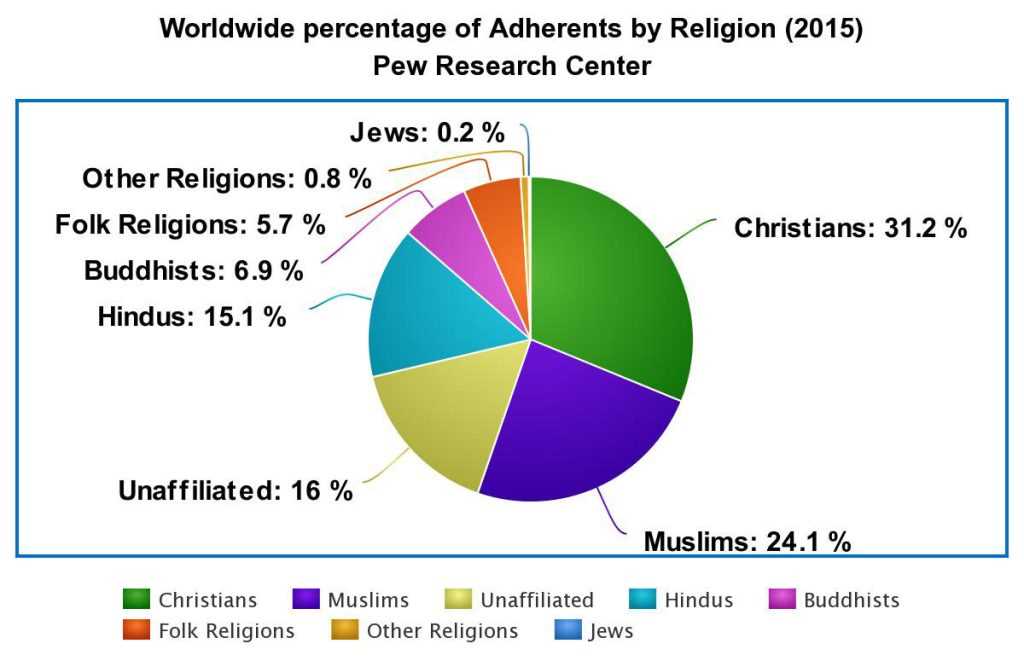
Identify religious affiliations by analyzing regional patterns and historical shifts. Focus on areas with the highest concentration of followers to observe how belief systems shape local communities and governance. Use maps and statistical data to draw connections between geography and the spread of faiths.
Recognize the role of migration in altering belief networks. Urbanization and the movement of people contribute to the diffusion of spiritual practices, often resulting in diverse religious communities within urban centers. Pay attention to how cultural exchange influences religious practices across borders.
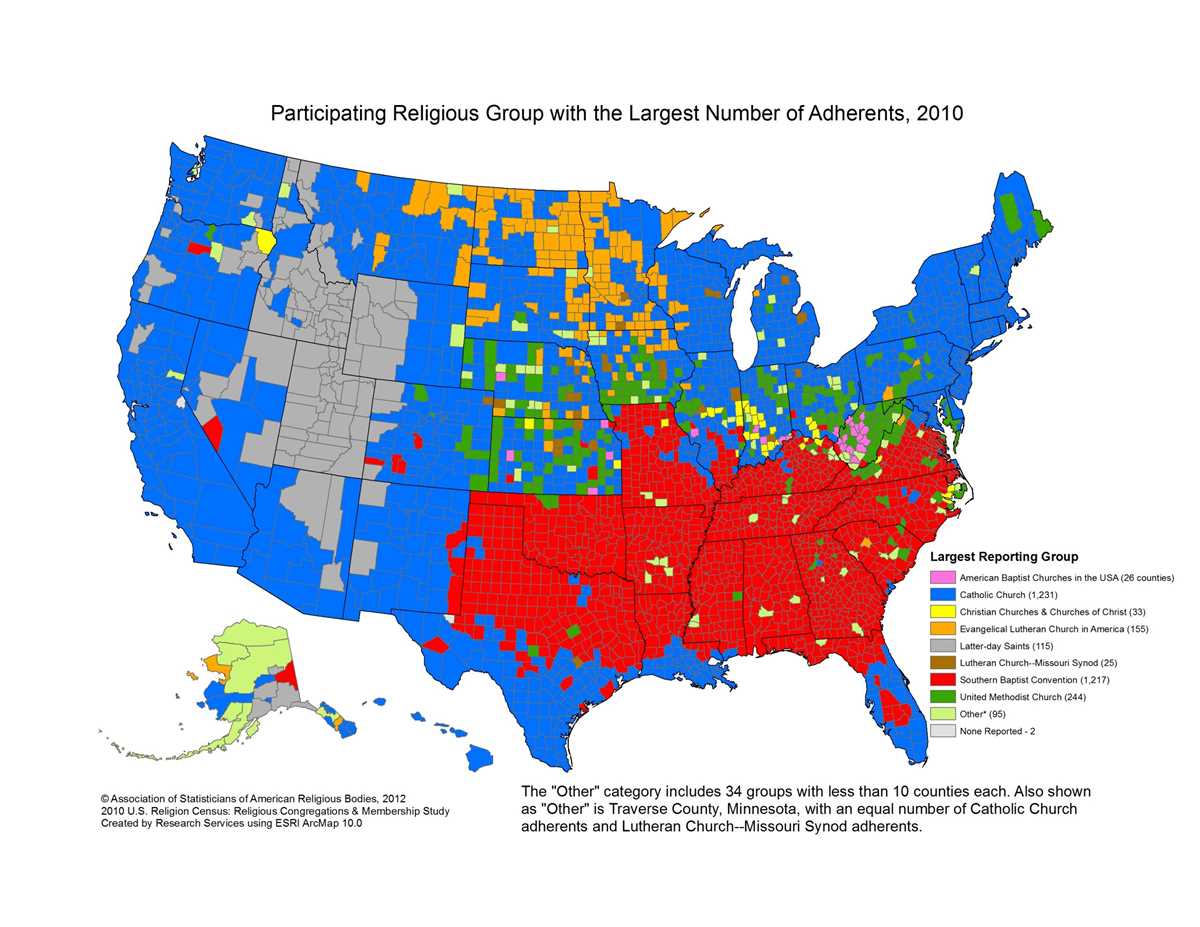
Examine the historical evolution of belief systems and how colonialism, trade, and exploration played significant roles in spreading specific ideologies. These interactions created lasting impacts on the global distribution of various belief systems.
Consider the intersection of religious practices with local customs. In many regions, traditional rituals and ceremonies are intertwined with spiritual beliefs, creating unique forms of worship that reflect both religious and cultural identities.