Creating Magnets Using Electric Current Lesson Outline and Guide
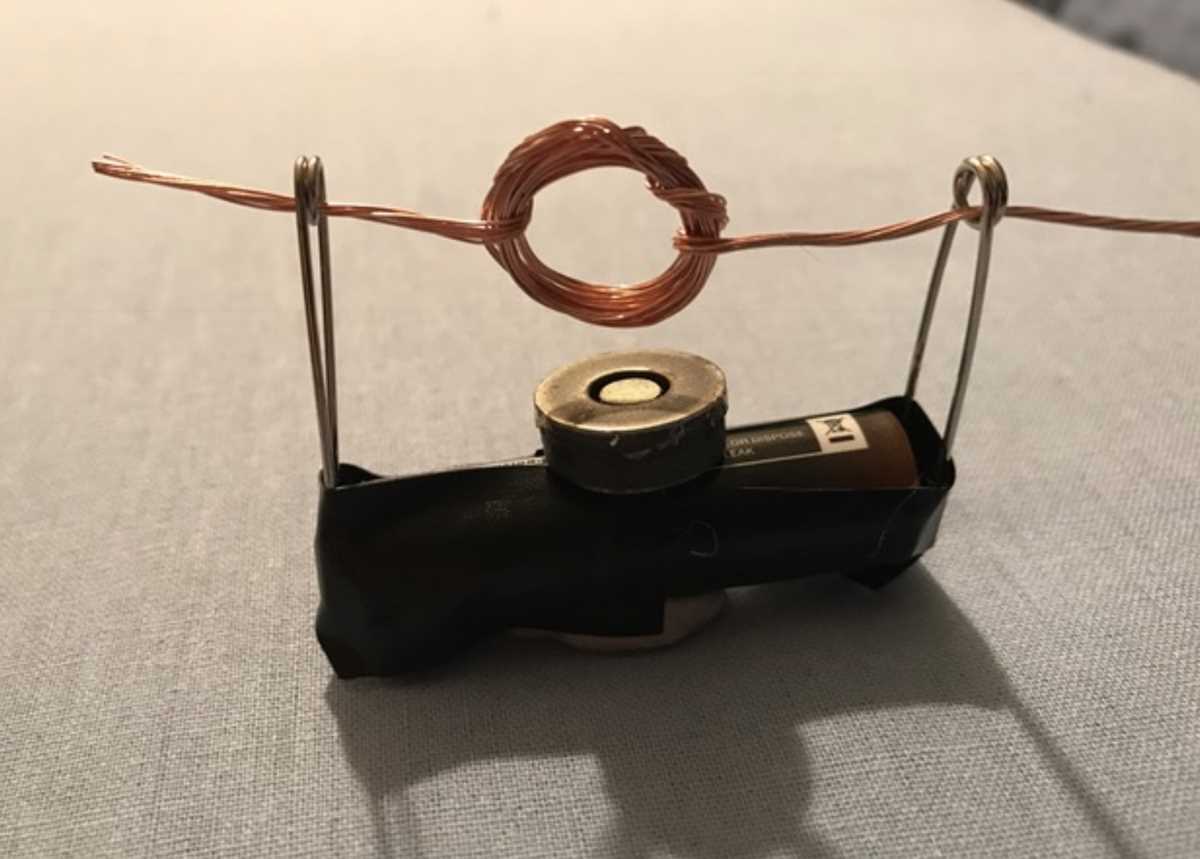
Start by connecting a wire to a power source to create a flow of charge. This action will set up a magnetic field around the wire, which is the first step in producing magnetism through an electric charge. Ensure the wire is securely connected to the power supply, and that the flow of electrons can move freely. A simple copper wire is ideal for this experiment due to its excellent conductivity.
Wrap the wire around a metal core to concentrate the magnetic field. For this purpose, use a nail or another iron-based object. The more tightly the wire is coiled around the metal object, the stronger the resulting magnetic field will be. The number of coils around the metal will also influence the magnetism; more coils create a stronger effect. After completing this step, you should begin to observe the influence of the magnetic field on small metallic objects.
Adjust the current strength to see how it affects the strength of the magnetic field. Using a variable power supply allows for an easy demonstration of how increasing or decreasing the current changes the magnetic properties. This experiment directly links the flow of electricity to the intensity of the magnetic field. By controlling the current, students can visually see the impact of electricity on magnetism.
Evaluate the outcomes based on the magnetic effects produced. Test the strength of the magnet by using various objects of differing weights and materials to see how the created magnetic field interacts with them. This evaluation will confirm the relationship between the strength of the electric current and the magnetic properties that are induced in the metal core.