Complete Guide to Balancing Equations in Labster Virtual Lab
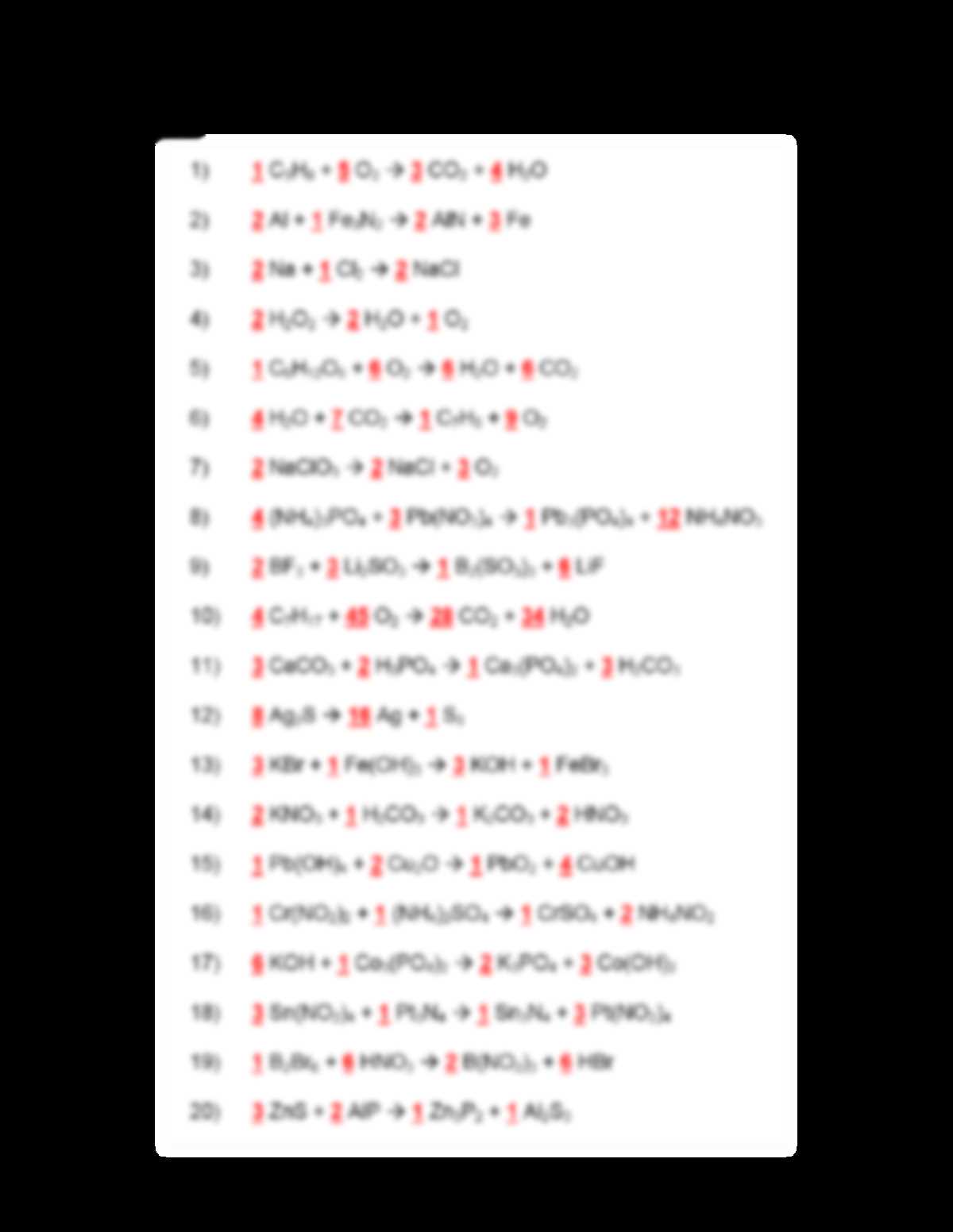
To correctly balance a chemical reaction, focus on adjusting the coefficients in front of the chemical compounds. This ensures that the number of atoms of each element is the same on both sides of the equation. Always start by identifying the reactants and products, and analyze how they combine during the reaction.
In virtual environments, you can practice this process repeatedly. The key to success is to methodically increase or decrease the number of molecules involved in the reaction. Start by focusing on elements that appear in only one reactant and one product. Then, balance other elements, keeping in mind that the law of conservation of mass must always hold.
Once you feel comfortable with the mechanics of adjusting coefficients, check your work by counting atoms on both sides of the equation. Ensuring that the number of atoms of each element matches on both sides is a simple yet effective way to verify your progress. Don’t skip this verification step–many common mistakes arise from miscounting atoms or forgetting to adjust the coefficients properly.
Tips for Completing the Reaction Balance Simulation
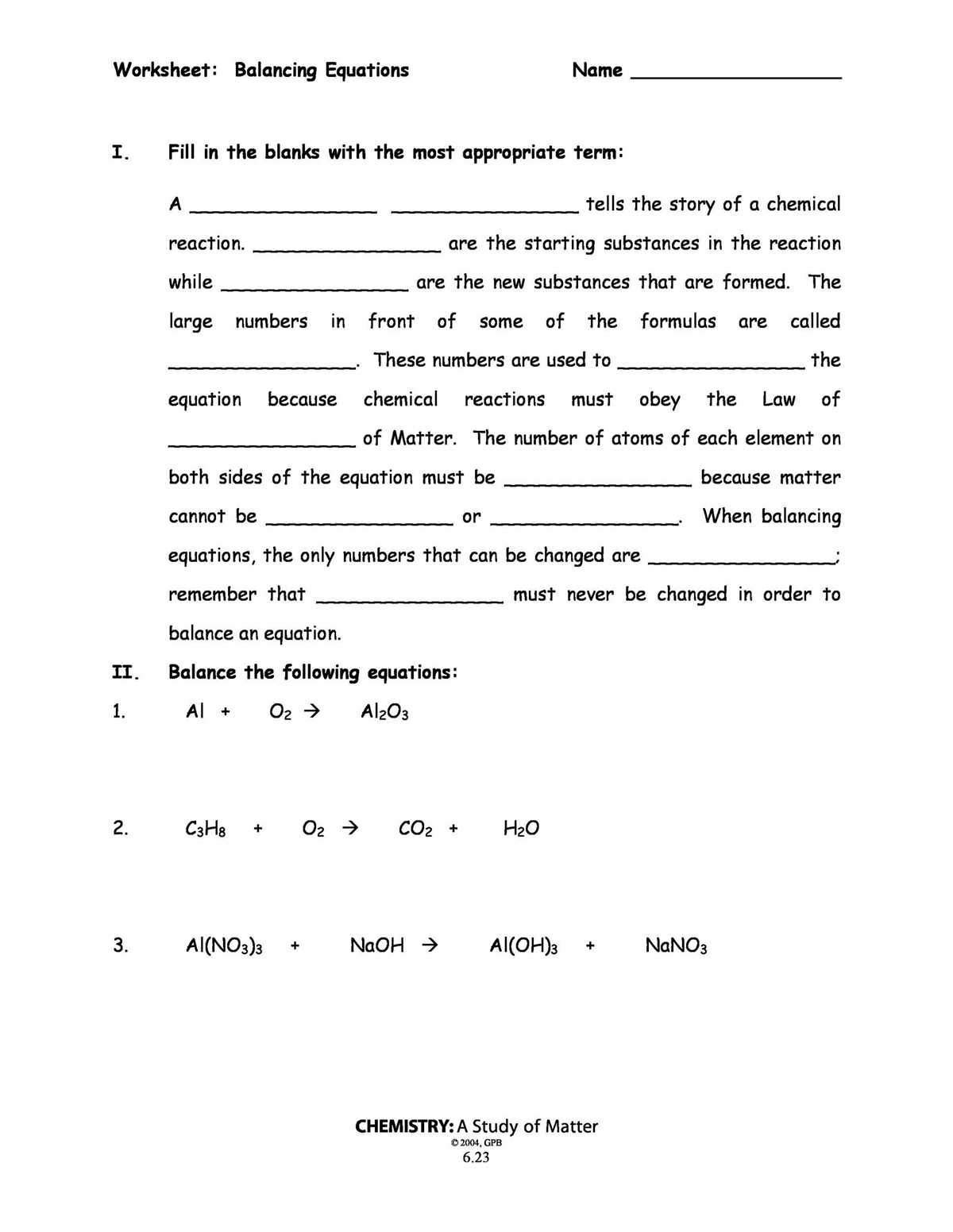
To successfully complete the simulation, begin by analyzing the molecular components on both sides of the chemical reaction. Ensure that each atom involved is accounted for and that no atoms are lost or created in the process.
Start by adjusting the coefficients in front of each compound to balance the atoms of each element. Begin with elements that appear in only one reactant and one product, as these are easier to balance. Gradually adjust the other elements while keeping the total number of atoms consistent on both sides.
Make sure to check the atom count after every change. If an adjustment to one element causes an imbalance in another, adjust accordingly. The key is to proceed step-by-step, adjusting one coefficient at a time while continually verifying the balance of atoms.
After balancing, verify the reaction by ensuring that the number of atoms of each element is the same on both sides. This is a critical check to confirm that the reaction adheres to the principle of conservation of mass.
If needed, refer to the simulation’s help section for specific strategies or common errors to watch out for. This can save time and help ensure that the reaction is properly balanced. Don’t forget that practice is key to mastering the technique.
Understanding the Basics of Chemical Reaction Balance
Start by recognizing that chemical reactions follow the law of conservation of mass, which states that matter cannot be created or destroyed. To respect this principle, each atom on the reactant side must be accounted for on the product side.
The goal is to adjust the coefficients of the compounds to ensure that the number of atoms for each element is equal on both sides. Follow these steps for accuracy:
- Identify the elements involved in the reaction. Look for those that appear in multiple compounds on either side.
- Adjust the coefficients of the compounds, ensuring you only change the numbers in front of each molecule, not the subscripts inside the molecules.
- Start with elements that are easiest to balance (those appearing only once on both sides). Balance these first and then proceed to more complex elements.
- After adjusting the coefficients, check the atom count for each element on both sides. Adjust further if necessary until the counts are equal.
During this process, avoid adjusting the subscripts within the molecules. Changing subscripts alters the chemical identity of the substance, leading to incorrect reactions.
Lastly, practice is key. Repetition helps in developing an instinct for identifying which elements to balance first and how to make the adjustments quickly.
Step-by-Step Process for Adjusting Chemical Reactions in Labster
1. Identify Elements in the Reaction: Start by listing all the elements involved in the reaction. Make sure to account for each element that appears in any of the compounds on either side.
2. Count Atoms of Each Element: Count how many atoms of each element are present on both sides of the reaction. Note these numbers carefully for comparison.
3. Adjust Coefficients for Simplicity: Begin adjusting the coefficients (numbers in front of compounds) to make sure the atom counts for each element match on both sides. Start with the most complex compound.
4. Balance Elements One at a Time: Focus on balancing elements that appear in only one compound on either side first. This simplifies the process and avoids confusion.
5. Check After Every Change: After making an adjustment, always check the atom counts again. Ensure that the new coefficients result in equal numbers of atoms on both sides.
6. Adjust the Remaining Elements: Continue balancing the remaining elements. If one change affects others, go back and adjust the previous coefficients to maintain balance.
7. Verify the Final Balance: After making all adjustments, check each element one last time. All atom counts should be the same on both sides of the reaction.
8. Refine and Finalize: Once the reaction is balanced, double-check that all coefficients are in their simplest whole-number form. Avoid fractional coefficients unless specifically required.
| Step | Action |
|---|---|
| 1 | Identify all elements |
| 2 | Count atoms of each element |
| 3 | Adjust coefficients for simplicity |
| 4 | Balance elements one at a time |
| 5 | Check after every change |
| 6 | Adjust remaining elements |
| 7 | Verify final balance |
| 8 | Refine and finalize |
Common Mistakes to Avoid When Adjusting Chemical Reactions
1. Ignoring Atom Count Accuracy: Always ensure that each element’s atom count is accurate on both sides. Forgetting to check this after adjusting coefficients is a frequent error.
2. Relying on the First Guess: It’s common to assume that the first adjustment works. In reality, multiple trials are often needed to achieve a proper balance, especially with complex reactions.
3. Changing Subscripts Instead of Coefficients: A common mistake is altering the chemical formulas (subscripts) instead of adjusting the coefficients. This changes the compound itself and leads to an incorrect reaction.
4. Overlooking Hydrogen and Oxygen: Hydrogen and oxygen are frequently overlooked, especially when they appear in multiple compounds. Be sure to check these elements carefully, adjusting them last if necessary.
5. Skipping the Final Check: Never skip verifying the final result. It’s easy to miss discrepancies, especially in larger reactions. A quick check of the atom count on both sides can prevent errors.
6. Focusing on One Element Only: Sometimes, adjusting one element can affect others. Avoid focusing only on one element without considering how it impacts others in the reaction.
7. Not Simplifying Coefficients: Ensure that the coefficients are in their simplest form. Leaving them in large, unnecessary numbers can make the equation harder to interpret and solve.
8. Forgetting to Balance All Elements: Always remember to balance every element in the reaction. Missing even a single element can result in an incomplete solution.
Using Stoichiometric Coefficients in Virtual Labs
1. Ensure Correct Ratios: When adjusting coefficients in virtual simulations, ensure that the stoichiometric ratios are accurate. This allows the reaction to maintain the correct balance of elements and atoms.
2. Start with the Most Complex Molecule: Begin by adjusting the coefficient of the most complex compound. This helps in reducing the number of changes needed to balance simpler compounds later on.
3. Use Coefficients to Reflect Molecule Quantity: The coefficients should reflect the number of molecules or moles involved in the reaction. Always ensure that the total quantity of each element is consistent across reactants and products.
4. Adjust Coefficients Gradually: Change one coefficient at a time and observe the impact on other molecules. Avoid large jumps in numbers, as this can lead to errors in tracking the balance of atoms.
5. Test with Virtual Tools: Many virtual lab platforms offer real-time feedback on whether the reaction is balanced correctly. Use these tools to check your coefficients after each adjustment.
6. Check Consistency with Conservation Laws: After setting coefficients, verify that both mass and charge are conserved in the virtual simulation. This ensures that the changes reflect real-world chemical principles.
7. Focus on Elements with Multiple Compounds: Elements like oxygen and hydrogen are often present in multiple compounds. Pay attention to how changes in one coefficient affect the overall balance of these elements in the reaction.
8. Review Final Coefficients: Before concluding the virtual lab session, carefully review the final coefficients to ensure they are in the simplest whole number form, without unnecessary scaling.
Interpreting and Analyzing Chemical Equation Results
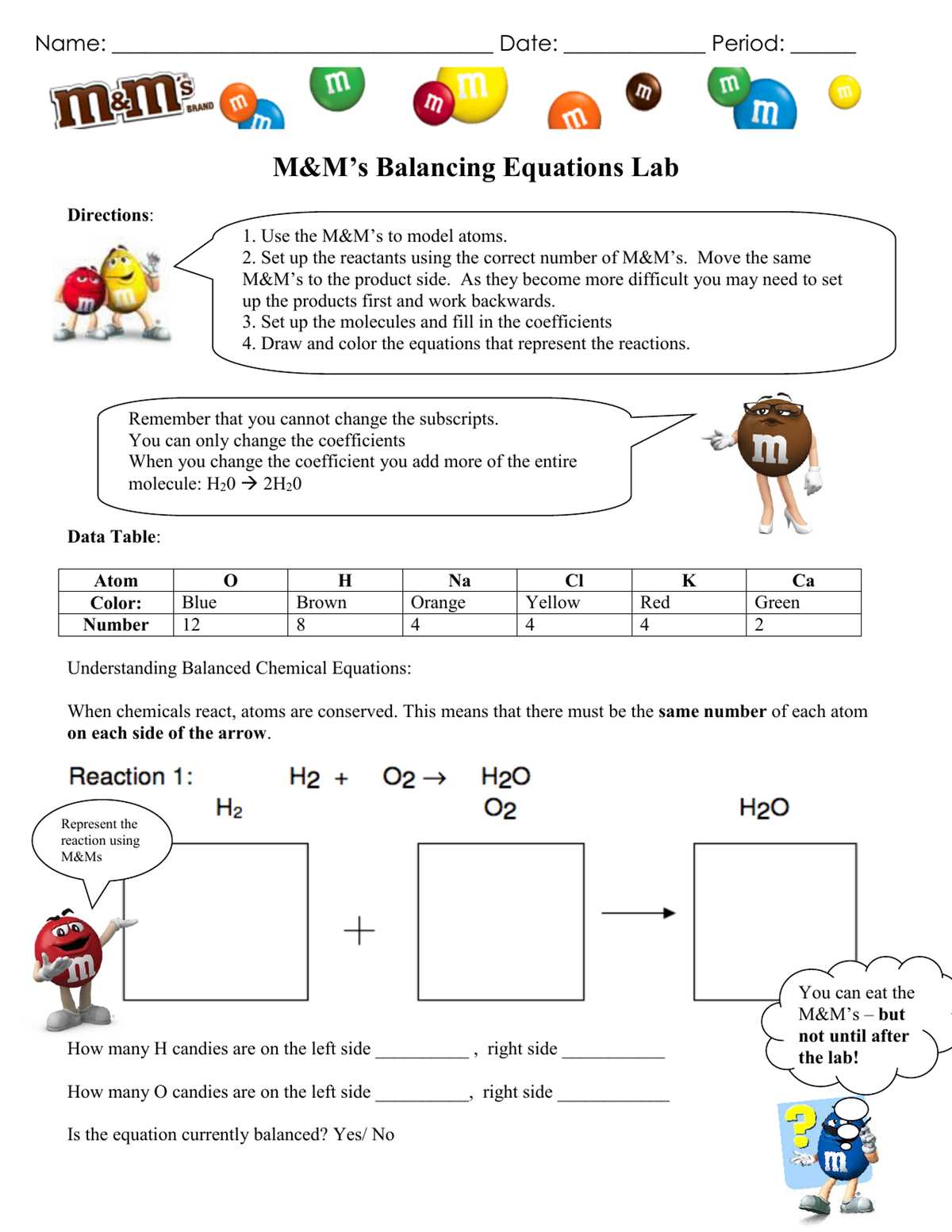
1. Examine Atom Conservation: Verify that the number of atoms for each element is identical on both sides of the reaction. This ensures the law of conservation of mass is upheld.
2. Analyze Reaction Direction: Check if the chemical process is progressing in the intended direction. Ensure that reactants are transforming into the expected products based on the coefficient ratios.
3. Review Stoichiometric Proportions: Compare the calculated amounts of reactants and products to determine if the results align with theoretical expectations. A deviation could indicate an error in setup or interpretation.
4. Check Reaction Yields: In virtual labs, evaluate the yield of the reaction. A high yield suggests accurate predictions, while a low yield may indicate a need for adjusted coefficients or reaction conditions.
5. Monitor Temperature and Pressure Effects: Some chemical reactions are sensitive to environmental conditions. If available, analyze how changes in temperature or pressure affect the reaction outcomes in virtual simulations.
6. Interpret Feedback from Virtual Tools: Virtual labs often provide data and feedback about the reaction’s progress. Pay attention to these signals, which can guide adjustments in the procedure or setup.
7. Assess Reaction Completeness: Ensure that the reaction reaches completion. In some cases, a reaction may be incomplete if the proportions of reactants are not optimized, affecting the product formation.
8. Document Observations: Record any unexpected results or anomalies during the analysis. These observations may highlight areas where the reaction setup or understanding can be improved.
How to Check Your Work After Balancing a Chemical Reaction
1. Verify Atom Counts: Confirm that the number of atoms for each element is the same on both sides of the reaction. This ensures the reaction adheres to the conservation of mass principle.
2. Double-Check Coefficients: Ensure all coefficients are in the lowest possible whole numbers. This helps avoid unnecessary complexity and maintains the simplicity of the reaction’s ratio.
3. Revisit the Mole Ratios: Review the mole ratios of reactants to products. If they align correctly with the reaction’s expected behavior, the balance is likely accurate.
4. Perform a Visual Check: If the simulation allows, visually compare the amounts of reactants and products. Confirm the proportions match what you anticipate based on the reaction’s stoichiometry.
5. Test with Different Scenarios: Run multiple trials or adjust variables (e.g., pressure, temperature) and check if the reaction still balances correctly under different conditions.
6. Cross-Reference with Known Data: If possible, cross-check your results with standard reference materials or known reaction data. This can help confirm the accuracy of your setup.
7. Use Simulation Feedback: Take note of any feedback or alerts provided by the virtual lab tool. Errors or warnings can often point out where mistakes have occurred.
8. Review Conservation Laws: Ensure that both mass and energy are conserved in the simulation. Any deviation might indicate a setup error or misinterpretation of the reaction process.
Practical Tips for Mastering the Balancing Reactions Module
1. Focus on Atom Conservation: Always double-check that the number of atoms on both sides of the reaction remains the same. This is the fundamental rule for a correctly modeled chemical process.
2. Use Simulation Features: Take advantage of features like real-time feedback and step-by-step guides in the virtual environment to keep track of your progress and spot errors quickly.
3. Start with Simple Reactions: Before tackling complex reactions, practice with simpler ones to understand the basics of reactant-product relationships. This builds a strong foundation for more intricate processes.
4. Test Multiple Scenarios: Try adjusting variables like the concentration or state of matter of reactants to observe how it affects the outcome. This can help you gain insights into the reaction mechanics and improve your approach.
5. Learn the Stoichiometric Coefficients: Master how to interpret and manipulate stoichiometric coefficients in the simulation. These coefficients dictate the quantities and proportions of each substance involved in the reaction.
6. Utilize the Reset Option: Don’t hesitate to reset and retry different configurations if you’re unsure of your results. Reworking a scenario can help identify mistakes and solidify understanding.
7. Review Relevant Resources: If you need additional support, refer to credible sources for detailed explanations and examples. Websites like Khan Academy offer clear breakdowns of core concepts that can help you grasp difficult ideas.
8. Keep a Reference Sheet: Create a quick reference guide with common reaction types, rules for balancing, and key concepts to consult during practice. Having this available can save time and keep you on track.
Accessing Additional Resources for Reaction Balancing Practice
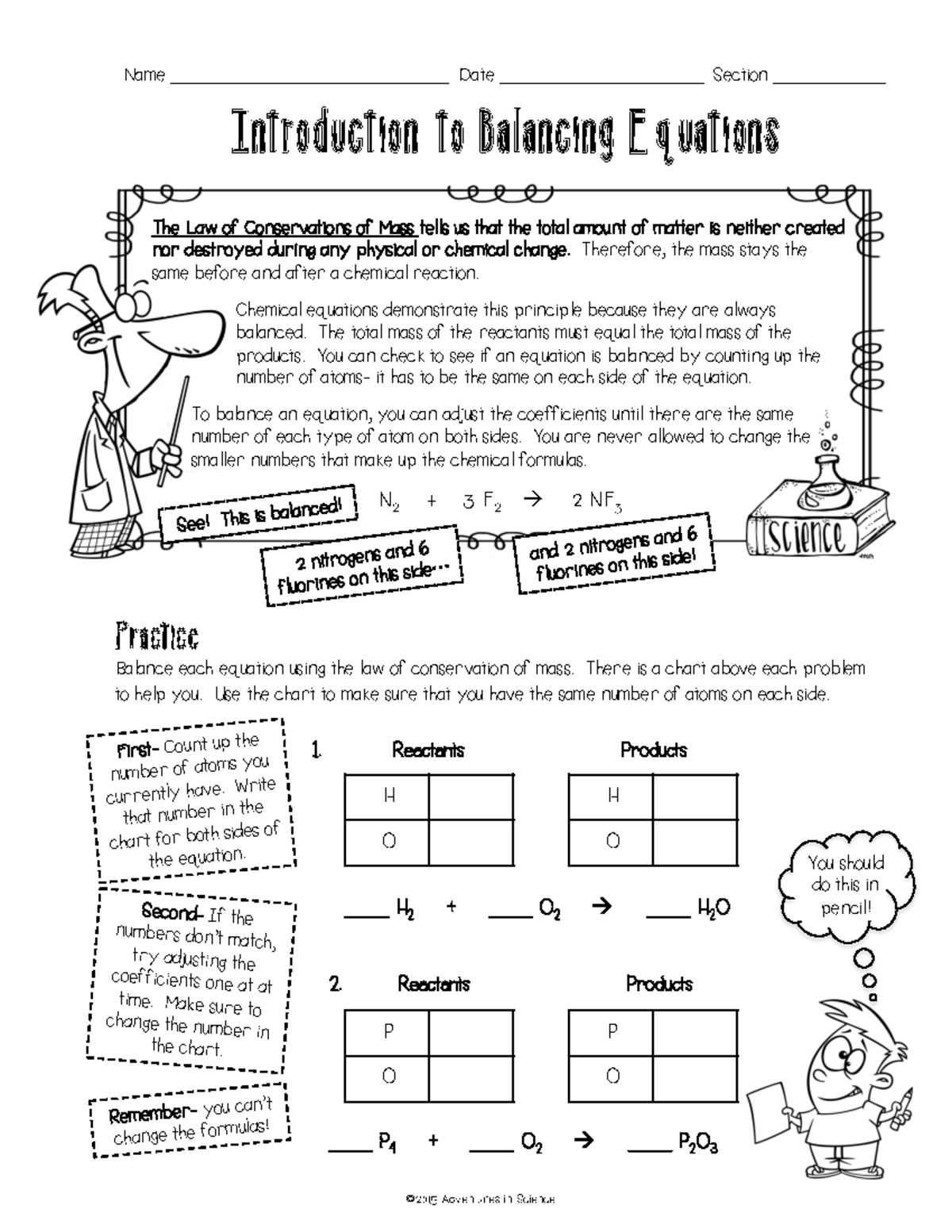
1. Khan Academy: Khan Academy offers free, interactive lessons on chemistry fundamentals, including methods for balancing chemical reactions. These resources provide step-by-step breakdowns for beginners and advanced learners. Visit Khan Academy.
2. Coursera and edX: Both platforms offer chemistry courses from universities around the world, many of which include in-depth modules on reaction stoichiometry and balancing. Check courses like “Introduction to Chemistry” and “Chemistry: The Molecular Nature of Matter and Change.”
3. Chemistry LibreTexts: A comprehensive online resource that includes tutorials, problem sets, and examples to help with chemical processes, including reaction balancing. Explore their tutorials at LibreTexts.
4. Interactive Chemistry Simulations: Websites such as PhET Interactive Simulations offer simulations where you can experiment with chemical reactions and see how changes in reactants and products affect the outcome.
5. Chemical Reaction Practice Books: Look for workbooks and textbooks specifically focused on stoichiometry and reaction balancing. Books such as “Chemistry: The Central Science” by Brown, LeMay, and Bursten provide excellent examples and exercises.
6. YouTube Tutorials: Channels like CrashCourse and Tyler DeWitt offer clear, visual explanations of complex chemical principles, including balancing reactions. These videos break down concepts in an engaging and easy-to-follow way.
7. Interactive Problem Solvers: Websites like ChemistryHelp offer interactive tools that allow you to input chemical formulas and automatically balance them, making it easier to practice and learn from your mistakes.
8. Study Groups and Forums: Join online communities or study groups on platforms like Reddit’s r/chemistry for help and discussions with peers and experts. Many users share their strategies for reaction balancing and offer valuable insights.