Practical Strategies for Accessing Prior Knowledge in Learning
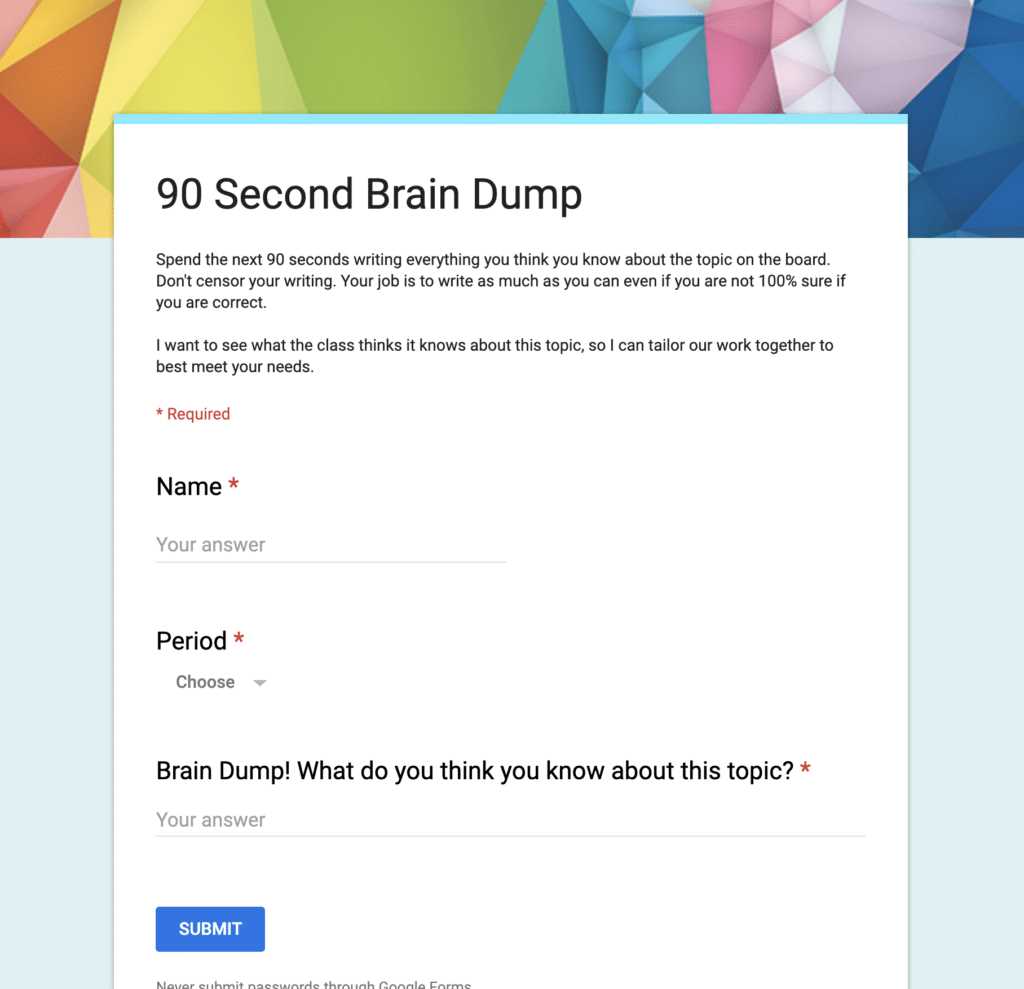
Before tackling any exercise, always start by recalling concepts or facts you have learned in the past. This will help you quickly identify what tools you already possess to solve the task at hand. Linking new information with what you already understand creates a solid foundation for better comprehension and quicker problem-solving.
Start by reviewing the materials or lessons that are most similar to the problem you’re facing. This allows you to activate the mental connections between old and new content, making the task easier. Whether you’re dealing with simple equations or complex theoretical concepts, retrieving past knowledge is a powerful technique to apply your learning efficiently.
Another approach is to assess what you remember and test if it aligns with the current problem. If certain concepts or methods come to mind but aren’t directly applicable, try modifying your approach. Often, making small adjustments based on prior learning is all that’s needed to arrive at the correct solution.
How to Use Past Concepts to Solve Current Problems: A Step-by-Step Guide
Start by reviewing the main concepts or formulas you have learned in previous lessons that might be relevant to the task. Write down key points or terms that seem to relate to the current problem. This mental preparation sets the stage for a smoother approach to new material.
- Identify Similarities: Compare the problem at hand with examples you’ve solved before. Look for patterns or structures that can help guide your approach.
- Recall Relevant Information: Think about the methods you used in past exercises that could be applied here. It could be a specific formula, a process, or even a visual representation of the problem.
- Apply Known Techniques: Start solving the current task using the methods or techniques you’ve already mastered. Modify them as needed based on the new information in the current problem.
- Check Your Work: After completing the solution, compare it to past problems with similar structures. If any discrepancies arise, revisit your approach to ensure consistency with prior steps.
By linking past concepts with present challenges, you increase your ability to solve problems independently. This methodical approach also improves your confidence in using learned information effectively across various scenarios.
How to Identify Relevant Background Information for Problem Solving

To begin solving a problem, start by reviewing the problem’s context. Focus on the specific elements that align with topics you’ve already studied. For example, if the problem involves a mathematical equation, recall similar formulas or processes you’ve worked with in the past.
- Look for Keywords: Identify terms in the problem that resemble concepts or terminology you’ve encountered in previous lessons. These keywords help you focus on the relevant background material.
- Recognize Patterns: Problems often follow recognizable patterns. Determine if the current task is a variation of a problem you’ve solved before, and recall the steps you took to find the solution.
- Analyze the Problem Structure: Break down the problem into smaller parts and compare each part with similar problems you’ve addressed in past exercises. This helps pinpoint which methods or approaches were effective.
- Use Previous Examples: If you have solved related problems, review those examples and apply the same reasoning to the new problem. This can guide you in recognizing which background knowledge is relevant.
By following these steps, you’ll quickly narrow down the relevant background information that can be applied to the current problem, allowing you to approach it more effectively and efficiently.
Techniques for Activating Prior Knowledge in Different Learning Contexts
To engage previous experiences and information, use these strategies tailored to various educational settings:
- Brainstorming Sessions: Before starting a new topic, encourage learners to list everything they know about the subject. This method helps retrieve existing information and create connections with new concepts.
- Concept Mapping: Visual aids like mind maps allow learners to organize their existing knowledge. This method helps highlight gaps in understanding and supports linking new material to familiar concepts.
- Prompting with Questions: Pose open-ended questions that tap into students’ prior experiences. For example, ask them how similar problems were solved before or what techniques they used in past situations. This encourages reflection on applicable prior learning.
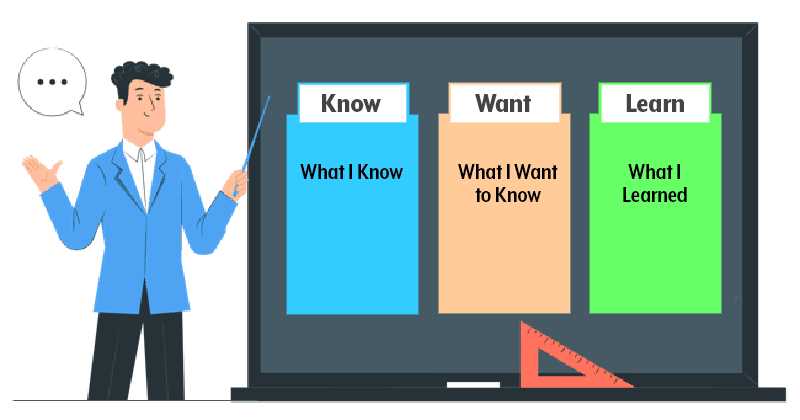
- KWL Charts (Know, Want to Know, Learned): Use these charts to guide learners through activating what they already know, clarifying their objectives, and summarizing what they’ve learned after the lesson. This process highlights the relationship between prior and new knowledge.
- Peer Discussions: Allow students to discuss the topic with peers before diving into new material. Conversations with classmates often prompt the recall of relevant past experiences and insights.
- Relating to Real-World Scenarios: Connect theoretical concepts to real-life situations that learners may have encountered. This helps them recall applicable experiences and see how prior knowledge fits into practical contexts.
These techniques ensure that learners can activate and apply relevant background information, strengthening their ability to approach new challenges effectively.
Common Pitfalls When Using Previous Knowledge in Exercises
While relying on existing information can be helpful, it’s important to avoid these common mistakes:
- Overgeneralizing Previous Experiences: Relying too heavily on past situations can lead to incorrect conclusions. Each exercise may present unique challenges that require fresh perspectives, not just a repeat of what was done before.
- Assuming All Information Is Relevant: Not all prior experiences are applicable to every scenario. It’s crucial to evaluate whether the information from past exercises truly aligns with the current problem.
- Forgetting to Update Information: When new concepts are introduced, there may be gaps in understanding. Failing to revise outdated knowledge can hinder progress and lead to incorrect results.
- Ignoring the Complexity of New Contexts: Context plays a key role in problem-solving. What worked in one situation might not work in another due to different variables, so blindly applying old methods can lead to mistakes.
- Underestimating the Need for Critical Thinking: Simply recalling facts or methods without critical analysis can cause oversights. It’s important to question whether the recalled methods are the best approach for the current problem.
- Overconfidence in Familiar Solutions: Relying on familiar strategies without considering alternative approaches can lead to missed opportunities for innovation and improvements in problem-solving.
To avoid these pitfalls, carefully evaluate the relevance of prior experiences and actively seek to adapt them to the specifics of the current task. This approach enhances problem-solving and fosters deeper learning.
For further guidance on applying background information effectively in exercises, refer to authoritative resources such as the Edutopia website.
Strategies for Reinforcing Prior Concepts Before New Learning
Before introducing new material, reinforce earlier concepts through these methods:
- Quick Recap Sessions: Start each lesson with a brief review of key concepts from previous topics. This can be done through flashcards, summaries, or quick quizzes.
- Mind Mapping: Create a visual representation that connects old concepts to new ones. This technique helps reinforce connections between ideas and ensures learners remember the foundational material.
- Active Recall: Encourage students to recall key ideas from memory without prompts. This improves retention and strengthens neural connections associated with the topic.
- Interactive Discussions: Foster conversations where learners explain previously learned material to their peers. This helps clarify concepts and reinforces their understanding.
- Problem-Solving Exercises: Use tasks that require applying prior knowledge to solve problems. This encourages learners to practice old material in a new context, enhancing both comprehension and recall.
- Real-World Applications: Link previous concepts to real-life scenarios or current events. This reinforces the relevance of the material and aids in better understanding.
Incorporating these strategies into the learning process strengthens the foundation for upcoming content, making transitions smoother and more effective.
How to Cross-Check New Information with Existing Understanding
To ensure new information aligns with what you already know, follow these steps:
- Compare and Contrast: Examine new material by contrasting it with previously learned concepts. Identify similarities and differences to verify consistency and accuracy.
- Test with Real-Life Scenarios: Apply new knowledge to real-world examples or familiar situations. This helps confirm whether the new concepts hold up in practical contexts.
- Use Conceptual Links: Draw connections between new content and well-established ideas from your past learning. These links help you determine if the new information fits logically within your existing framework.
- Ask Clarifying Questions: Seek clarification on any discrepancies. Comparing new facts with earlier beliefs allows you to address misunderstandings and confirm whether your existing understanding still holds.
- Review Reliable Sources: Cross-check new information with trusted references or textbooks. This ensures that the new details are accurate and consistent with the material you already know.
- Engage in Peer Discussions: Discuss new concepts with peers to see if your interpretation matches theirs. This peer review can help identify areas of confusion or validation of your understanding.
By actively comparing, testing, and connecting new knowledge with what you already understand, you build a more solid and reliable foundation for learning.
Adapting Prior Concepts to Solve Complex Problems and Scenarios
To effectively apply previous learning in challenging situations, use these strategies:
- Break Down the Problem: Identify key components of the issue and map them to related concepts you’ve encountered before. This allows you to use familiar frameworks in novel ways.
- Modify Existing Solutions: Adjust past approaches to fit the specific requirements of the new challenge. Don’t rely on a one-size-fits-all method–tailor your techniques to the context.
- Think in Layers: Integrate concepts from multiple areas. For instance, combining theories from different subjects can often reveal creative solutions for complex problems.
- Apply Analogies: Use analogies from previous experiences to better understand and tackle unfamiliar situations. Recognizing patterns helps you transfer knowledge across diverse problems.
- Test and Iterate: Experiment with different approaches based on what you already know. Through trial and error, refine your methods to solve more complex scenarios effectively.
- Stay Open to Adjustment: As you work through a problem, be ready to modify your thinking. Previous experiences should serve as a guide, not a rigid rulebook–flexibility helps adapt to unexpected challenges.
By adjusting familiar concepts to address unfamiliar problems, you can approach even the most complex scenarios with confidence and resourcefulness.
Understanding the Role of Misconceptions in Applying Past Concepts
Misunderstandings from previous learning can significantly affect how we apply earlier information in new contexts. Here’s how to address and correct these issues:
- Identify Common Misconceptions: Start by recognizing widespread mistakes or inaccurate assumptions that may have been formed in previous learning experiences. For example, confusing related terms or misinterpreting processes.
- Test Your Assumptions: Before applying past concepts, critically assess whether they fit the current context. This could involve revisiting foundational materials or seeking clarification on ambiguous points.
- Revisit Core Concepts: Refreshing your understanding of the fundamental principles helps correct any previous misunderstandings. Don’t rely solely on memory–verify the accuracy of your mental models.
- Use Concrete Examples: Apply past concepts to real-life or well-structured examples. This allows you to see how the concept truly works, helping identify any flaws in your understanding.
- Consult Reliable Sources: If you suspect misconceptions are influencing your thinking, refer to authoritative resources. This may include textbooks, experts, or updated studies to ensure accuracy.
- Be Open to Feedback: Engage with others for constructive criticism. Discussing your reasoning with peers or mentors often reveals gaps in your understanding and helps refine your approach.
Correcting misconceptions allows for a more accurate application of past information, leading to better problem-solving and decision-making in unfamiliar situations.
Best Practices for Reviewing and Refining Your Concept Application
To ensure you’re applying concepts accurately and effectively, follow these practices:
- Revisit Core Principles: Before using concepts in new situations, take time to refresh your understanding of the core principles. Review key definitions, formulas, or processes to strengthen your foundation.
- Analyze Your Thought Process: Assess how you arrive at conclusions. Are you relying on outdated information or assumptions? Ensure you’re applying concepts based on updated understanding and relevant context.
- Use Active Recall: Test your grasp of concepts by recalling them without external help. This reinforces memory and allows you to pinpoint areas where your application might be weak or incomplete.
- Seek Diverse Examples: Apply concepts to a variety of scenarios, both theoretical and practical. This broadens your understanding and reveals nuances in how the concept can be applied differently.
- Discuss with Others: Engaging in conversations with peers, mentors, or experts can highlight any flaws in your approach. Feedback can uncover new perspectives and deepen your understanding.
- Refine and Adjust: Based on the feedback and review, refine your application. Tweak your approach and make adjustments when applying concepts to ensure you’re using them correctly in new situations.
Consistently refining your approach helps avoid reliance on incorrect interpretations and strengthens the way you apply concepts in complex scenarios.