Complete Solution Guide for All Summer in a Day Exercises
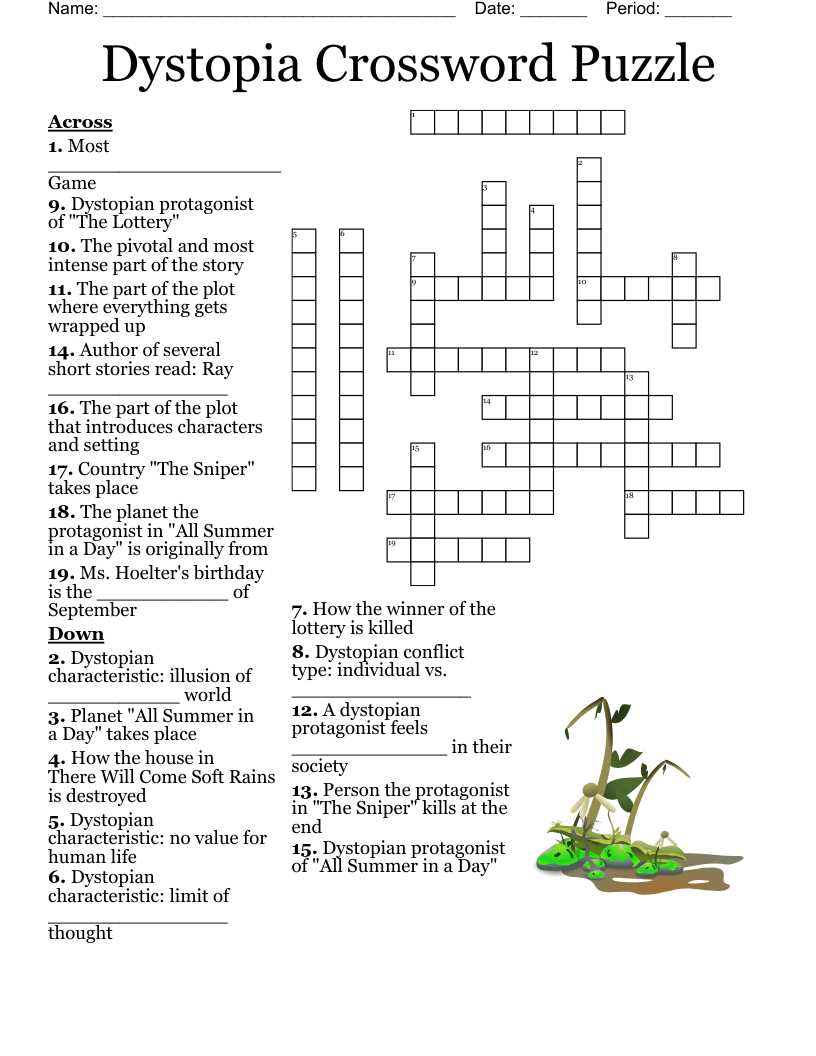
To accurately complete exercises based on Ray Bradbury’s short story, focus on identifying key plot events and understanding character motivations. Start by examining the central conflict between Margot and the other children. Pay close attention to how Bradbury contrasts the experience of a long, dark world with the sudden and fleeting appearance of sunlight, and how this shapes the characters’ actions.
Make sure to support your responses with direct references from the text. Highlight specific phrases or quotes that explain the reasoning behind actions or emotions expressed by the characters. This approach will not only ensure accuracy in answering comprehension questions but will also deepen your understanding of the narrative structure.
Another important aspect is understanding the symbolism within the story. For example, consider the way the sun represents both hope and isolation for Margot, and how this symbolism impacts the emotional weight of the story. By examining these deeper layers, you can approach each question with more insight and clarity.
Complete Solution Guide for Exercises from Ray Bradbury’s Short Story
Begin by carefully analyzing the central themes of the story. Focus on the contrast between Margot’s longing for the sun and the harsh reality of her environment. This will help you answer questions about character motivations and their actions throughout the plot.
For character-driven questions, pay close attention to Margot’s interactions with the other children. Consider how the jealousy and bitterness from her peers drive their decisions, particularly their role in her eventual isolation. This dynamic is crucial for understanding the emotional climax of the story.
When asked about the setting, remember that the planet’s continuous rain and the absence of sunlight are symbolic of emotional suppression and isolation. Use specific descriptions from the text to explain how the environment impacts the characters’ development and choices.
If the questions focus on plot development, highlight the tension that builds as the children prepare for the sun’s brief appearance. Discuss how the anticipation contrasts with the eventual disappointment Margot faces when the other children lock her in the closet, preventing her from experiencing the sunlight.
For questions involving symbolism, explore how the sun represents both hope and cruelty. Explain how the children’s behavior reflects the broader themes of exclusion and the devastating impact of loneliness on the human psyche.
Finally, always refer back to the text for evidence to support your answers. Quote specific lines that demonstrate a character’s feelings or actions, particularly those that involve key turning points such as Margot’s isolation or the children’s realization of their mistake.
How to Interpret Key Themes in Ray Bradbury’s Story
Focus on the theme of isolation by examining the way the protagonist, Margot, is treated by her peers. The story explores emotional alienation, as Margot is ostracized for her unique experiences and longing for sunlight. Her isolation becomes a metaphor for how society can alienate those who are different or misunderstood.
Another prominent theme is the conflict between hope and cruelty. Margot’s intense desire for sunlight represents hope and optimism, but the children’s actions, locking her in the closet, show the destructive potential of envy and groupthink. The brief moment of sunlight highlights how fleeting and precious hope can be, while the cruelty Margot faces underscores how human actions can thwart that hope.
Consider the theme of jealousy and human nature. The children’s decision to exclude Margot from experiencing the sun stems from their own insecurities and envy. Bradbury critiques how jealousy can distort relationships and lead to regret. This theme is central to understanding the emotional turning point at the story’s conclusion, where the children realize the magnitude of their mistake.
Additionally, the story touches on the concept of innocence and the loss of it. Margot’s disconnection from the other children and her desire for the sun represent her purity, which is tainted by their betrayal. This loss of innocence can be interpreted as a commentary on how society’s harshness can strip individuals of their innocence and idealism.
For a more in-depth understanding of the story’s themes, you can explore articles on literature analysis. A good resource is the LitCharts website, which offers detailed explanations of themes and symbolism in the story.
Step-by-Step Guide to Answering Comprehension Questions
1. Read the Question Carefully: Before providing any response, ensure that you fully understand what is being asked. Look for key words in the question that indicate the type of information you need to extract from the text.
2. Locate the Relevant Passage: Identify the section of the text where the answer is likely found. Scan the passage for specific details or events that relate directly to the question. Pay attention to names, dates, and other significant details.
3. Highlight Key Information: As you read the passage, highlight or underline any parts that stand out as relevant to the question. This will make it easier to find your answer when writing your response.
4. Formulate Your Answer Based on Evidence: Base your response on the information directly provided in the passage. Use quotes or paraphrases to support your answer. Avoid including personal opinions or ideas that aren’t supported by the text.
5. Stay Focused and Concise: Answer the question directly, sticking to the relevant details. Avoid going off-topic or providing unnecessary information. A brief but accurate response is often more effective than a long-winded one.
6. Check for Multiple Answers: Some questions may have more than one valid answer. If this is the case, ensure you explore all possible options before choosing the one that best fits the question.
7. Review Your Response: Once you have written your answer, read it over to ensure it makes sense and is directly linked to the question. Make sure all facts are accurate and well-supported by evidence from the text.
8. Proofread for Clarity: Before finalizing your answer, check for any grammatical or spelling errors. A clear, well-written response will make it easier for the reader to follow your reasoning.
Understanding Character Motivations and Actions in the Story
1. Analyze the Primary Characters’ Desires: Focus on what each character wants most and how their actions align with these desires. For instance, examine how the main character’s longing for sunlight drives their decisions and behaviors.
2. Examine the Role of Peer Pressure: Many characters in the story act based on the influence of others. Assess how social dynamics, such as bullying or group behavior, shape individual actions, especially in the context of jealousy or exclusion.
3. Look for Emotional Triggers: Identify moments that lead to strong emotional reactions in characters. For example, explore how isolation or the anticipation of the rare event affects their behavior, such as impatience or frustration.
4. Understand the Impact of Environment: Consider how the setting and climate influence character decisions. How does the oppressive environment, lack of sunlight, or confinement shape the way characters interact with each other and their surroundings?
5. Assess Character Reactions to Conflict: Observe how characters respond to conflicts and challenges. Are they resilient or do they give in to despair? Evaluate how these reactions reflect their deeper motivations and personal struggles.
6. Identify Moments of Change or Revelation: Notice key moments where characters experience a shift in perspective or understanding. These shifts often reveal hidden motivations or spark new actions, such as changes in their treatment of others.
7. Consider Character Relationships: Look at how relationships between characters affect their motivations. Are there dynamics of power, dependency, or rivalry that drive their actions? Pay attention to how these relationships evolve and influence behavior.
8. Link Actions to Themes: Every action a character takes serves the broader themes of the story. Analyze how individual actions align with or challenge the themes of isolation, longing, or human nature, and how they support the overall message of the narrative.
How to Use Textual Evidence to Support Your Responses
1. Identify Key Passages: Locate specific sections of the text that directly relate to the question. These passages should provide insight into characters, themes, or events that support your response. For example, if a question asks about a character’s emotions, find quotes that describe their feelings or reactions.
2. Use Direct Quotes: Always incorporate exact words from the text. Avoid paraphrasing, as direct quotes lend more credibility to your points. Ensure that the quote is relevant and clearly supports your argument. For instance, if discussing a character’s determination, quote lines where the character expresses their determination.
3. Contextualize Your Evidence: Explain the context in which the textual evidence appears. This helps the reader understand why the evidence is relevant. For example, if quoting a character’s response to a challenge, describe the situation that prompted their response to highlight its significance.
4. Connect Evidence to Your Argument: Don’t just present a quote and leave it at that. Analyze how the quote directly supports your interpretation or argument. For example, if you quote a character saying “I will never give up,” explain how this reflects their inner strength or determination.
5. Avoid Overloading with Quotes: Use only the most impactful quotes that directly address the question. A few well-chosen quotes are more effective than overwhelming the response with too much evidence. Focus on quality, not quantity.
6. Use Evidence to Build Your Point: Every piece of textual evidence should be tied back to the main idea or claim you are making. Ensure that each quote helps to strengthen your argument or clarify your response. Avoid irrelevant or extraneous details that do not contribute to your point.
7. Integrate Analysis with Evidence: After presenting textual evidence, include your interpretation. This ensures that the evidence is not just a standalone piece of information, but an integral part of your overall argument. For instance, if a character’s actions suggest a theme of isolation, explain how this action reflects that theme.
8. Balance Your Use of Evidence: Combine evidence from different parts of the text to provide a more holistic answer. Using evidence from various moments in the story can show the progression of characters or themes over time.
Identifying Symbolism in All Summer in a Day
1. The Sun: The sun symbolizes hope, warmth, and life itself. For the children on Venus, it represents a long-awaited, almost mythical event, something they have never truly experienced. The rare appearance of the sun contrasts with the harsh, oppressive rain that dominates their everyday lives. When the sun finally shines, it’s not just a natural phenomenon but a moment of transformation and revelation for the characters.
2. The Rain: Rain acts as a symbol of oppression and confinement. On Venus, it is perpetual, casting a shadow over the characters’ lives. The constant rain reflects the isolation the children feel, both from the sun and from the outside world. It highlights their restricted existence and longing for a different, brighter reality.
3. Margot: The character of Margot symbolizes isolation and the longing for something better. Unlike the other children, she has memories of the sun and craves its warmth. Her experience of being out of place in a society that doesn’t share her memories and desires speaks to feelings of alienation and loss.
4. The Locked Door: The locked door symbolizes barriers–physical, emotional, and social. It stands between the children and their chance to experience the sun, and it also represents the separation between Margot and the other children. The act of locking her out reflects how society isolates those who are different or who hold different experiences.
5. The Cage: Margot’s sense of entrapment in the classroom and in her life on Venus can be seen as symbolic of a cage. This symbol reflects the limitation of her freedom, her experiences, and the oppressive environment she lives in. Her eventual release, when the sun shines, signifies a brief escape from this metaphorical cage.
6. The Window: The window through which the children watch the sky and see the rare appearance of the sun is symbolic of hope and possibility. It’s a thin barrier between their reality and the world they desire, a constant reminder of what they can never fully reach or understand, yet can see and long for.
Common Misunderstandings and How to Avoid Them
1. Misunderstanding the Role of Margot: One common misunderstanding is the belief that Margot is simply a victim. While she does experience isolation and mistreatment, it’s important to recognize that her character also represents a longing for something more than her current reality. To avoid this misunderstanding, focus on how her experience shapes her behavior and worldview, rather than just viewing her as a passive figure.
2. Confusing the Sun’s Symbolism: The sun is often misunderstood as merely a literal element of the story. It symbolizes more than just warmth; it represents freedom, hope, and a fleeting opportunity. To avoid missing this deeper meaning, consider the emotional and psychological significance of the sun for the children, particularly for Margot, who has vivid memories of it.
3. Overlooking the Theme of Isolation: Some readers may focus too heavily on the plot without fully understanding the theme of isolation, especially in terms of how it affects both Margot and the other children. Margot’s alienation is a key element that drives the story, and it’s important not to reduce her feelings of loneliness to just her being “different.” Pay attention to the ways the children’s environment and their attitudes toward her reinforce her sense of being an outsider.
4. Misinterpreting the Ending: The conclusion of the story, where the children lock Margot in the closet, is sometimes seen as just an accident or mistake. In reality, it highlights the cruelty of the group mentality and the children’s inability to understand Margot’s unique perspective. Avoid simplifying the ending by considering it within the broader context of power dynamics, jealousy, and groupthink among the children.
5. Failing to Recognize the Impact of Environment: The planet’s constant rain is often seen only as a setting for the story, but it’s a crucial symbol of the children’s emotional environment. The rain reinforces the emotional numbness and the suffocating nature of their lives. To avoid missing this, think about how the weather mirrors the characters’ internal states and influences their actions throughout the story.
6. Ignoring the Group’s Collective Role: It’s easy to blame individual characters like the bullies, but the entire group plays a role in Margot’s torment. The children’s collective behavior is integral to the plot and themes. To avoid this misunderstanding, look at how peer pressure and conformity shape the group’s actions and attitudes toward Margot, rather than attributing the incident to a few isolated characters.
Tips for Grading and Self-Checking Your Responses
1. Review Key Concepts: Before checking your work, ensure you understand the core concepts being tested. For example, if the task involves character analysis, revisit the motivations and actions of each character. This ensures you can accurately compare your responses to the material.
2. Cross-Reference with Text: Always verify your responses by going back to the original text. Look for direct quotes or specific passages that support your points. This helps confirm the accuracy of your answers and strengthens your interpretations.
3. Check for Clarity: Review your responses for clarity and completeness. Are your points clearly articulated? Do they directly address the question? Ensure that your answers are not vague and are fully explained.
4. Use Rubrics: If available, use a grading rubric to evaluate your responses. This helps you assess whether you’ve met all the necessary criteria. Rubrics often focus on aspects like depth of analysis, accuracy, and supporting evidence, so they can guide your self-assessment.
5. Focus on Specificity: Ensure your answers are specific and avoid generalizations. For example, if discussing symbolism, pinpoint particular symbols and explain their relevance to the story. This adds precision to your responses.
6. Revisit Your Mistakes: If you find areas where your responses are lacking, revisit those sections of the text. Look for more evidence or reframe your argument with a clearer explanation. Identifying mistakes is a key part of the learning process.
7. Peer Review: If possible, have someone else review your work. A fresh perspective can catch errors you may have overlooked and offer suggestions for improvement.
8. Take Your Time: Don’t rush the grading process. Take a step back, and after reviewing your responses, give yourself time to think about any areas that might need further refinement. Grading is not just about finding mistakes but also improving your understanding.
How to Improve Your Overall Understanding of the Story
1. Re-read the Text: Start by reading the material multiple times. Each reading will reveal new details, helping you understand the nuances of the plot, characters, and themes. Focus on specific sections each time to deepen your comprehension.
2. Analyze Character Development: Pay attention to how characters evolve throughout the narrative. Note their motivations, relationships, and key decisions. This will give you insight into the underlying themes and message of the story.
3. Identify Themes: Look for recurring ideas and symbols. Think about how these elements connect to the characters’ actions and the overall message. Understanding these deeper meanings will enhance your appreciation of the text.
4. Take Notes: As you read, jot down important passages, quotes, and your own reflections. This will help you retain critical information and serve as a reference when revisiting specific sections or preparing for analysis.
5. Discuss with Others: Join a group discussion or talk to others who have read the story. Different perspectives can highlight aspects you may have missed and broaden your understanding of the material.
6. Ask Analytical Questions: Challenge yourself with questions that require deeper thinking. For instance, ask why a particular event happened or what a character’s actions reveal about their inner conflict. This will help you analyze the text critically.
7. Explore Related Context: Research the author’s background and the historical or cultural context in which the story was written. Understanding the context will help you interpret the material more fully and recognize underlying themes that may be influenced by external factors.
8. Break Down Key Passages: Focus on key scenes or passages and analyze them in detail. Consider the language, structure, and symbolism used in these parts to uncover hidden meanings that enhance your overall interpretation.