Lesson 2 Circulatory System Key Concepts and Answers
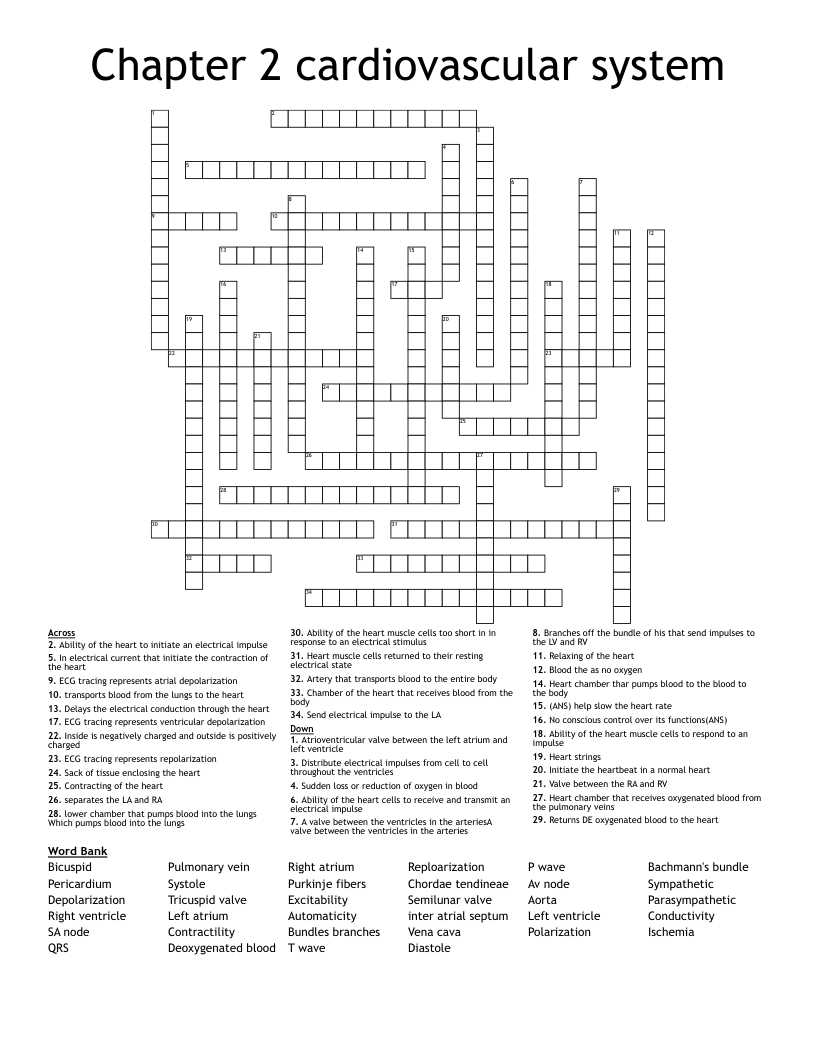
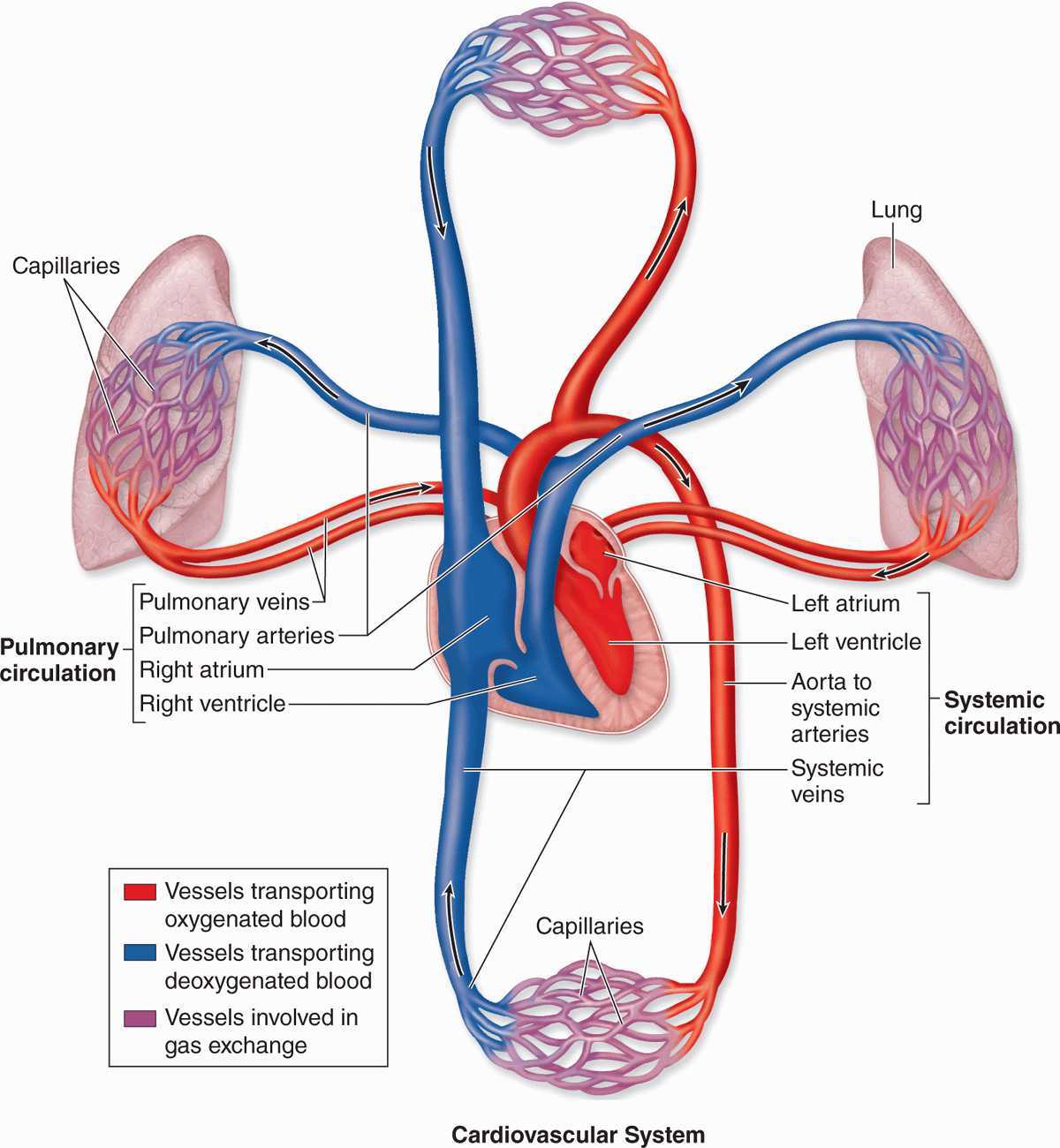
Focus on the role of the heart in pumping blood: The heart is responsible for circulating blood throughout the body, ensuring that oxygen and nutrients reach tissues and organs. Pay attention to how the heart’s chambers and valves coordinate to maintain this flow.
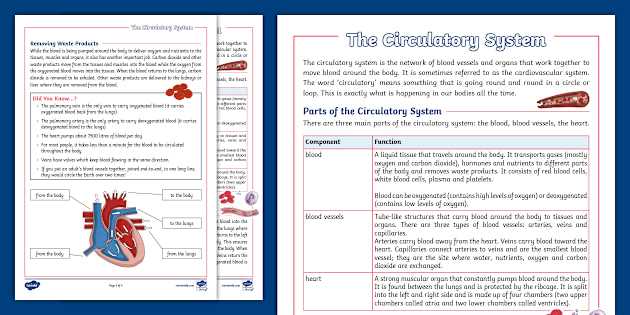
Learn the different types of blood vessels: Arteries carry oxygenated blood away from the heart, while veins return deoxygenated blood. Capillaries, the smallest blood vessels, facilitate the exchange of gases and nutrients at the cellular level. Understanding these pathways is key to grasping the overall function.
Understand how blood circulation affects bodily functions: Blood delivers oxygen to cells and removes carbon dioxide. This process supports cellular activities, immune defense, and temperature regulation. The efficiency of circulation directly impacts the body’s ability to maintain homeostasis.
Focus on common health issues related to this process: Conditions like hypertension and atherosclerosis can disrupt normal blood flow. Identifying the causes and effects of these disorders will deepen your understanding of cardiovascular health.