Cell Membrane Review Worksheet Solutions and Explanations
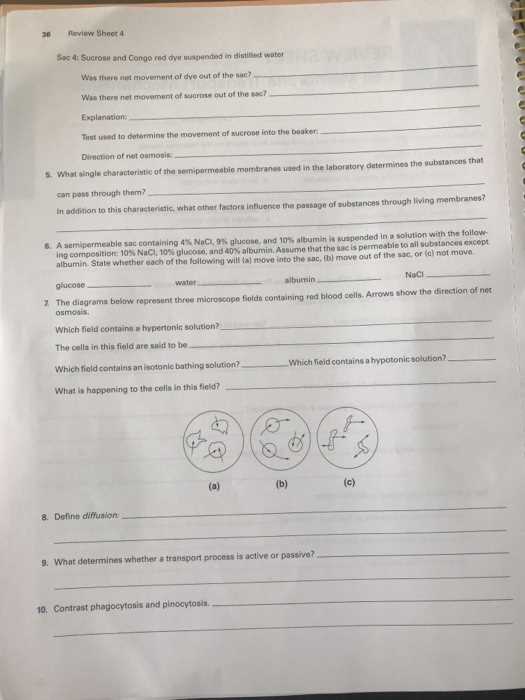
Focus on the key components of the structure: Recognize that a crucial aspect of understanding any biological membrane is identifying its components and their roles. Lipids, proteins, and carbohydrates all contribute to the selective permeability, stability, and communication across biological barriers. Study how these elements interact to maintain cellular function and respond to the environment.
Examine transport mechanisms: Understand how substances move in and out of a cell. Familiarize yourself with the differences between passive and active transport, including processes like diffusion, osmosis, and facilitated diffusion. Consider how each method maintains homeostasis and contributes to the overall function of the organism.
Study the Fluid Mosaic Model: This model describes the dynamic nature of membranes, where proteins and lipids are not static but move within the lipid bilayer. Recognizing how proteins function as channels, carriers, and receptors is critical to understanding how the membrane regulates cellular activities.
Understand the impact of membrane disorders: Investigate how disruptions in membrane function can lead to disease, including conditions like cystic fibrosis or familial hypercholesterolemia. Learn how these conditions relate to mutations in the proteins embedded in the membrane.
Cell Membrane Review Worksheet Solutions
1. Structure and Function: The primary components are phospholipids, proteins, and carbohydrates. The bilayer allows selective permeability, with proteins functioning as channels, carriers, and receptors.
2. Transport Mechanisms: Passive transport includes diffusion, osmosis, and facilitated diffusion. Active transport requires energy, like in the sodium-potassium pump, which moves ions against their concentration gradient.
3. Fluid Mosaic Model: This model shows that the membrane is dynamic. Lipids and proteins can move laterally within the bilayer, creating a flexible structure that adapts to the cell’s needs.
4. Membrane Proteins: Integral proteins are embedded in the bilayer and involved in transport, while peripheral proteins are attached to the membrane’s surface, aiding in signaling and cell recognition.
5. Impact of Disorders: Disruptions, like in cystic fibrosis, result from defective membrane proteins that affect ion transport, leading to symptoms such as thick mucus accumulation in organs.
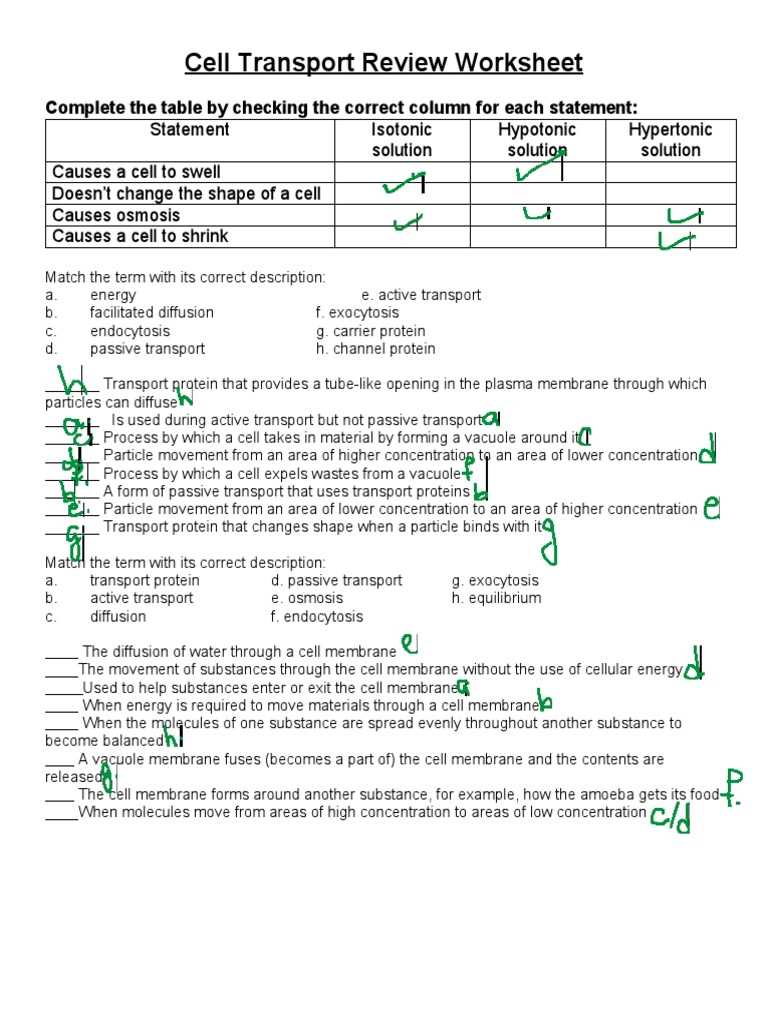
6. Osmosis and Tonicity: Osmosis is the movement of water across a selectively permeable barrier. Solutions can be isotonic, hypotonic, or hypertonic based on solute concentration relative to the cell.
7. Endocytosis and Exocytosis: These are forms of active transport where cells take in or expel large molecules through vesicles, crucial for nutrient uptake and waste removal.
8. Role of Cholesterol: Cholesterol stabilizes the fluidity of the membrane, preventing it from becoming too rigid or too fluid in varying temperature conditions.
Understanding the Structure of a Cell Membrane
The structure consists of a phospholipid bilayer with hydrophilic heads facing outward and hydrophobic tails facing inward, forming a barrier that regulates the movement of substances.
Phospholipids: These molecules are the fundamental building blocks, with a glycerol backbone attached to two fatty acid tails and a phosphate group. The amphipathic nature (having both hydrophobic and hydrophilic parts) allows for the formation of the bilayer.
Proteins: Embedded in the bilayer are integral and peripheral proteins. Integral proteins span across the lipid bilayer and assist in transport and signaling, while peripheral proteins are attached to the exterior and help in cell recognition and communication.
Cholesterol: Cholesterol molecules interspersed within the bilayer contribute to membrane fluidity, preventing the membrane from becoming too rigid at lower temperatures or too fluid at higher temperatures.
Carbohydrates: Attached to proteins or lipids on the outer surface, carbohydrate chains form glycoproteins and glycolipids. These are involved in cell recognition, signaling, and adhesion.
Fluid Mosaic Model: This model explains that the membrane is dynamic, with components moving laterally within the bilayer. The “mosaic” refers to the patchwork of proteins, lipids, and carbohydrates embedded in the bilayer.
Identifying Membrane Components and Their Functions
Phospholipids: The core structure consists of phospholipids arranged in a bilayer, where the hydrophilic heads face outward and the hydrophobic tails face inward, creating a semi-permeable barrier.
Integral Proteins: These proteins span the entire bilayer and are involved in various functions such as transport, acting as channels or carriers for molecules, and cell signaling.
Peripheral Proteins: Attached to the surface of the lipid bilayer, peripheral proteins play roles in signal transduction, maintaining the structure of the cell, and facilitating intercellular communication.
Cholesterol: Embedded within the lipid bilayer, cholesterol regulates membrane fluidity, ensuring stability by preventing the membrane from becoming too rigid in cold temperatures or too fluid in warm temperatures.
Glycoproteins and Glycolipids: These molecules are formed when carbohydrates attach to proteins or lipids. They are crucial for cell recognition, immune responses, and the formation of tissue structures.
Transport Proteins: Specific integral proteins act as channels or pumps, allowing selective movement of ions and molecules across the membrane, maintaining homeostasis and enabling communication between cells.
Enzymes: Some proteins embedded in the membrane act as enzymes, facilitating biochemical reactions, including those involved in cellular metabolism and energy production.
Receptor Proteins: These proteins interact with specific molecules (ligands), such as hormones or neurotransmitters, triggering a cascade of intracellular events essential for cellular responses.
Role of Phospholipids in Membrane Integrity
Phospholipid Bilayer Structure: Phospholipids form the fundamental structure of the lipid bilayer. Their amphipathic nature, with hydrophilic heads facing outward and hydrophobic tails inward, establishes a stable barrier that selectively allows substances to pass through.
Fluidity Maintenance: Phospholipids contribute to membrane fluidity by preventing the bilayer from becoming too rigid or too fluid. This flexibility is vital for the movement of proteins and lipids within the membrane and facilitates cellular processes such as endocytosis and exocytosis.
Barrier Function: The arrangement of phospholipids ensures that the membrane serves as an effective barrier, protecting the internal environment of the cell from harmful substances while allowing necessary nutrients and signaling molecules to enter.
Self-Healing Property: Phospholipids are capable of spontaneously rearranging to repair small tears or damages in the lipid bilayer, which helps maintain the integrity of the cellular boundary under various stress conditions.
Interaction with Cholesterol: Phospholipids interact with cholesterol molecules to stabilize the membrane’s structure. Cholesterol molecules fit between phospholipids, reducing permeability to small water-soluble molecules and preventing excessive movement, enhancing membrane stability.
Formation of Membrane Domains: Phospholipids contribute to the formation of lipid rafts or domains, which concentrate certain proteins and lipids to optimize membrane functions like signal transduction and protein trafficking.
Membrane Asymmetry: Phospholipids are not evenly distributed across both layers of the bilayer. This asymmetry plays a critical role in the cell’s ability to interact with its environment, and is important for processes like cell signaling and apoptosis.
How Proteins Facilitate Transport Across the Membrane
Transport Proteins Overview: Integral proteins embedded in the lipid bilayer facilitate the movement of substances across the barrier. They perform this by forming channels or carriers that allow specific molecules to pass through, overcoming the hydrophobic nature of the lipid core.
Channel Proteins: These proteins create aqueous pores that span the lipid bilayer, enabling ions and small molecules to pass through by diffusion. Examples include sodium and potassium channels, which regulate ion flow critical for maintaining cellular functions.
Carrier Proteins: Carrier proteins bind to specific molecules on one side of the membrane, undergo conformational changes, and release them on the opposite side. This type of transport can be passive (facilitated diffusion) or active, depending on whether energy is required.
Active Transport Mechanisms: Some transport proteins, like the sodium-potassium pump, use energy (ATP) to move substances against their concentration gradient. This is critical for processes such as nutrient uptake and waste removal, which cannot occur through passive diffusion alone.
Facilitated Diffusion: This form of passive transport does not require energy. Instead, molecules move down their concentration gradient through a carrier or channel protein. Glucose transport is a key example, where glucose enters cells through facilitated diffusion.
Ion Pumps and Electrochemical Gradients: Ion pumps maintain concentration gradients of ions across the membrane. This creates electrochemical gradients that are used for cellular processes such as signal transmission and energy production in mitochondria.
Coupled Transport: In coupled transport, two substances are moved together. Symporters move both molecules in the same direction, while antiporters move them in opposite directions. This type of transport plays a key role in the uptake of amino acids and sugars.
The Process of Diffusion and Osmosis Explained
Diffusion: Diffusion is the movement of molecules from an area of high concentration to an area of low concentration. This process occurs due to the random movement of particles and continues until equilibrium is reached. It is a passive process that does not require energy. Examples include the movement of oxygen into cells and carbon dioxide out of cells.
Factors Affecting Diffusion: The rate of diffusion is influenced by factors such as temperature, concentration gradient, and the size of the molecules. Higher temperatures and steeper concentration gradients increase the rate of diffusion, while larger molecules diffuse more slowly.
Osmosis: Osmosis is a specific type of diffusion that involves the movement of water molecules across a selectively permeable barrier. Water moves from areas of lower solute concentration to areas of higher solute concentration. This helps balance the concentration of solutes on both sides of the membrane.
Osmotic Pressure: Osmotic pressure is the force exerted by water moving through a membrane to equalize concentrations. This pressure can affect the volume of the solution on either side of the membrane, causing cells to either swell or shrink depending on the surrounding environment.
Types of Solutions in Osmosis:
- Isotonic: In an isotonic solution, the concentration of solutes is equal inside and outside the cell, resulting in no net movement of water.
- Hypotonic: In a hypotonic solution, the concentration of solutes outside the cell is lower than inside, causing water to enter the cell, which may lead to swelling or bursting.
- Hypertonic: In a hypertonic solution, the solute concentration is higher outside the cell, causing water to leave the cell, which may result in cell shrinkage.
Applications: Diffusion and osmosis are vital processes in many biological systems, including nutrient uptake, waste removal, and maintaining proper cell volume. Understanding these processes is key to comprehending how cells interact with their environment.
For more detailed information on diffusion and osmosis, refer to this educational resource.
Distinguishing Between Active and Passive Transport
Active Transport: This process involves the movement of substances across a barrier against their concentration gradient, from low to high concentration. Active transport requires energy in the form of ATP to facilitate the movement. It is carried out by specialized proteins, such as pumps. An example of active transport is the sodium-potassium pump, which moves sodium ions out of the cell and potassium ions into the cell, maintaining cellular function.
Characteristics of Active Transport:
- Energy is required (ATP).
- Substances move against the concentration gradient.
- Involves transport proteins or pumps.
- Examples include ion pumps and endocytosis.
Passive Transport: Passive transport does not require energy and occurs when substances move down their concentration gradient, from high to low concentration. This process relies on the natural tendency of molecules to spread out to reach equilibrium. Examples include simple diffusion, facilitated diffusion, and osmosis. In facilitated diffusion, specific transport proteins help molecules move across the barrier.
Characteristics of Passive Transport:
- No energy is required.
- Substances move down the concentration gradient.
- Involves simple diffusion, facilitated diffusion, or osmosis.
- Examples include the diffusion of oxygen into cells and water through aquaporins.
Key Differences:
- Energy Requirement: Active transport requires energy, while passive transport does not.
- Direction of Movement: Active transport moves substances against the gradient, while passive transport moves substances with the gradient.
- Types of Proteins: Active transport uses pumps or transporters, while passive transport relies on channels or carrier proteins.
Understanding these processes is vital for comprehending how substances enter and exit different environments in biological systems.
Analyzing the Fluid Mosaic Model of the Membrane
The fluid mosaic model describes the structure of the lipid bilayer in the form of a dynamic, flexible arrangement where proteins are embedded and float in the lipid matrix. This model suggests that the barrier is not static but fluid, allowing proteins and lipids to move laterally within the layer.
Key Characteristics of the Fluid Mosaic Model:
- Lipid Bilayer: Composed of phospholipids, with hydrophilic heads facing outward and hydrophobic tails facing inward. This creates a semi-permeable barrier.
- Protein Placement: Proteins are either peripheral (attached to the surface) or integral (spanning the lipid bilayer). They perform various functions such as transport, signaling, and enzymatic activity.
- Fluidity: The lipid bilayer is not rigid. Phospholipids and proteins can move sideways, providing flexibility and the ability to self-repair.
- Carbohydrates: Carbohydrates are often attached to proteins (glycoproteins) or lipids (glycolipids) on the exterior surface, playing roles in recognition and communication.
Functional Implications:
- Selective Permeability: The fluid nature allows the selective passage of molecules, regulating the internal environment.
- Dynamic Interactions: The mobility of proteins enables the cell to respond to signals and engage in communication and transport.
- Self-Healing: The fluidity allows the structure to repair itself if damaged or disrupted.
This model highlights how structural flexibility is critical for membrane function, including transport, communication, and maintaining homeostasis within cells.
Common Disorders Related to Membrane Function
Disruptions in the structure or function of the lipid bilayer and embedded proteins can lead to various health conditions. These disorders often result from genetic mutations or external factors that interfere with normal membrane activities.
1. Cystic Fibrosis:
This genetic disorder affects the protein responsible for chloride ion transport across the membrane. Mutations in the CFTR protein lead to thick, sticky mucus in the lungs and digestive system, causing severe respiratory and digestive problems.
2. Cholera:
The cholera toxin targets membrane-bound proteins that regulate ion flow. It disrupts the balance of sodium and chloride, leading to excessive fluid loss and severe dehydration.
3. Hereditary Spherocytosis:
This condition is caused by defects in the proteins that maintain the shape of red blood cells. The abnormal shape of these cells makes them prone to breaking, leading to hemolytic anemia.
4. Huntington’s Disease:
Huntington’s disease is linked to a defective protein that accumulates within the cell. This accumulation disrupts normal membrane function, particularly in the nervous system, leading to neurodegeneration.
5. Multiple Sclerosis (MS):
In MS, the immune system attacks the protective covering of nerve fibers, disrupting the membrane’s ability to transmit electrical signals. This leads to muscle weakness, coordination problems, and vision loss.
6. Autoimmune Diseases:
In diseases such as lupus or rheumatoid arthritis, the immune system mistakenly targets membrane proteins, disrupting cellular function and causing inflammation in various tissues.
7. Cancer:
Cancer cells often exhibit altered membrane receptor activity, affecting cell signaling pathways that control growth and division. This abnormal signaling can contribute to uncontrolled cell proliferation.
Understanding these disorders highlights the critical role that membrane integrity and protein function play in maintaining health and the importance of proper membrane regulation in various cellular processes.