Digestive System Concept Map Answer Guide for Biology Students
Focus on understanding the structure and function of the organs involved in nutrient breakdown and absorption. Begin by clearly identifying each part of the body that plays a role in processing food.
Each organ, from the mouth to the intestines, has a specific task. The mouth begins the process with mechanical and chemical breakdown, while the stomach further breaks down food using acids. The small intestine then absorbs most of the nutrients.
When creating a diagram to visualize these functions, it is important to show the relationship between the organs and how they work together. Knowing the function of each organ will help in correctly placing them on your diagram, which can be a useful study tool for understanding digestion.
Additionally, reviewing the process in stages–starting from ingestion to nutrient absorption and waste elimination–will clarify the role of each organ. This structured approach will help you easily identify the components of the digestive pathway in any relevant tasks or assignments.
Digestive System Concept Map Answer Guide for Biology Students
To accurately complete your diagram of the human digestive process, start by placing each organ in the proper sequence, from the mouth to the rectum. Identify key functions for each part, including mechanical breakdown, chemical digestion, and nutrient absorption.
Follow these steps to create an effective diagram:
- Mouth: Identify this as the entry point, where both mechanical and chemical digestion begin. Saliva and enzymes start breaking down carbohydrates.
- Esophagus: Illustrate its role in moving food through peristalsis from the mouth to the stomach.
- Stomach: Highlight its function in further breaking down food with hydrochloric acid and enzymes, mainly focusing on proteins.
- Small Intestine: Show this as the primary location for nutrient absorption. The villi in the small intestine increase surface area for absorption.
- Large Intestine: Depict this as the area where water and electrolytes are absorbed, and where waste material is compacted.
- Liver, Pancreas, and Gallbladder: Indicate their supporting roles in producing bile, enzymes, and storing nutrients for digestion.
Ensure the flow between these organs is clearly marked, using arrows or lines to show the direction of the digestive process. Each organ should be connected to its related processes, demonstrating how food moves and is transformed chemically and mechanically.
By organizing your diagram with clear, functional connections, you can better understand the digestive process and the roles of different organs in digestion and absorption. This methodical approach is helpful for mastering both the diagram and the physiological concepts behind it.
Understanding the Basic Structure of the Digestive System
Start by identifying the primary organs involved in food processing. These include the mouth, esophagus, stomach, small intestine, and large intestine. Each part has specific functions, contributing to the overall breakdown and absorption of nutrients.
Here’s a breakdown of the key components:
- Mouth: The entry point where food is broken down both mechanically (chewing) and chemically (enzymes in saliva).
- Esophagus: A muscular tube that connects the mouth to the stomach, moving food through peristalsis.
- Stomach: A sac-like organ that secretes acid and enzymes to break down food, particularly proteins.
- Small Intestine: Divided into three parts–duodenum, jejunum, and ileum–where most digestion and nutrient absorption occurs.
- Large Intestine: Absorbs water and electrolytes, and compacts waste for elimination.
In addition to these primary organs, there are accessory structures like the liver, pancreas, and gallbladder. These organs release enzymes and bile that help in the digestion and absorption of food in the small intestine.
Each of these organs is connected by a series of tubes and valves, ensuring the smooth transition of food from one stage to the next, ultimately leading to waste elimination.
Key Organs and Their Functions in Digestion
The process of breaking down food involves several key organs, each with a specialized role. Here’s a breakdown of the primary organs involved in nutrient processing:
- Mouth: Food enters the body here. The teeth break down food into smaller pieces, while saliva contains enzymes that start the process of carbohydrate digestion.
- Esophagus: This muscular tube connects the mouth to the stomach. It pushes food down through peristalsis, a series of wave-like muscle contractions.
- Stomach: The stomach uses gastric juices and enzymes to further break down food, particularly proteins. The acidic environment helps to digest and kill harmful bacteria.
- Small Intestine: Divided into three parts–duodenum, jejunum, and ileum–this is where the majority of nutrient absorption takes place. Enzymes from the pancreas and bile from the liver aid in the breakdown of fats, proteins, and carbohydrates.
- Liver: The liver produces bile, which is stored in the gallbladder and released into the small intestine to emulsify fats, making them easier to digest.
- Pancreas: This organ secretes digestive enzymes into the small intestine to break down carbohydrates, proteins, and fats. It also produces insulin to regulate blood sugar levels.
- Large Intestine: Water and electrolytes are absorbed here, and any remaining indigestible food is formed into solid waste for excretion.
- Rectum and Anus: The rectum stores feces until they are excreted through the anus. The anal sphincters control the release of waste material.
Each of these organs plays a vital role in ensuring food is properly processed, nutrients are absorbed, and waste is eliminated efficiently.
How Nutrients Are Absorbed in the Digestive Tract
Nutrient absorption is a complex process that occurs primarily in the small intestine, where digested food is converted into substances that can be used by the body. The absorption process is facilitated by the unique structure of the intestine and the presence of various enzymes and transport mechanisms.
- Small Intestine: The majority of nutrients are absorbed through the walls of the small intestine. Its inner surface is lined with tiny finger-like projections called villi, which increase the surface area for absorption.
- Enterocytes: These specialized cells on the villi are responsible for absorbing nutrients. They contain transport proteins that move nutrients from the lumen of the intestine into the bloodstream.
- Carbohydrates: After enzymes break down carbohydrates into simple sugars like glucose, they are absorbed through the enterocytes and enter the bloodstream, providing energy for cells.
- Proteins: Proteins are broken down into amino acids by enzymes. These amino acids are then absorbed by the enterocytes and transported into the bloodstream for use in building proteins for body functions.
- Fats: Fats are emulsified by bile and broken down by lipases. Fatty acids and monoglycerides are absorbed into the cells of the small intestine and reassembled into triglycerides before being transported into the lymphatic system.
- Vitamins and Minerals: Water-soluble vitamins (like vitamin C) and minerals (such as calcium and iron) are absorbed directly into the bloodstream, while fat-soluble vitamins (like vitamins A, D, E, and K) are absorbed with fats.
The absorption of these nutrients is highly regulated to ensure the body receives the necessary vitamins, minerals, and energy. The absorbed nutrients then enter the bloodstream and are transported to various organs for storage or immediate use.
For more detailed information on nutrient absorption, visit the National Institutes of Health (NIH) website: https://www.nih.gov
The Role of Enzymes in Breaking Down Food
Enzymes play a critical role in the breakdown of food molecules into smaller, absorbable components. These proteins act as catalysts, speeding up the chemical reactions that convert large, complex molecules into simpler forms that the body can use for energy and building materials.
- Amylase: Found in saliva and pancreatic fluid, amylase breaks down carbohydrates, converting starches into sugars like maltose.
- Proteases: These enzymes, including pepsin and trypsin, break down proteins into amino acids. Pepsin works in the acidic environment of the stomach, while trypsin acts in the small intestine.
- Lipase: Produced by the pancreas, lipase breaks down fats into fatty acids and glycerol, which are essential for energy storage and cell membrane structure.
- Sucrase and Lactase: These enzymes break down disaccharides like sucrose (table sugar) and lactose (milk sugar) into simpler monosaccharides (glucose and galactose), aiding their absorption into the bloodstream.
Each enzyme is specific to its substrate, meaning that it only catalyzes the breakdown of a particular type of molecule. This specificity ensures the efficient digestion of various nutrients and the absorption of the necessary components for the body’s functions.
Understanding the role of these enzymes helps clarify how the body processes the food we eat, turning it into usable energy and nutrients for growth, repair, and overall health.
Common Disorders Related to the Digestive System
Several conditions affect the normal function of the body’s processing organs, leading to various symptoms that can interfere with daily life. Below are some of the most common disorders:
| Condition | Description | Common Symptoms |
|---|---|---|
| Gastroesophageal Reflux Disease (GERD) | A chronic condition where stomach acid frequently leaks into the esophagus, causing irritation. | Heartburn, regurgitation, difficulty swallowing, chest pain |
| Irritable Bowel Syndrome (IBS) | A functional disorder affecting the large intestine, characterized by altered bowel movements. | Abdominal cramps, bloating, diarrhea, constipation |
| Celiac Disease | An autoimmune disorder where the consumption of gluten damages the small intestine lining. | Diarrhea, weight loss, fatigue, bloating |
| Gallstones | Hard deposits that form in the gallbladder and block bile ducts, affecting digestion. | Sharp abdominal pain, nausea, vomiting |
| Lactose Intolerance | A condition where the body is unable to properly digest lactose, a sugar found in milk. | Gas, diarrhea, bloating, stomach cramps |
| Peptic Ulcer | Open sores that develop on the lining of the stomach or duodenum due to acid damage. | Burning stomach pain, bloating, nausea, vomiting |
Understanding these disorders can help identify symptoms early and guide appropriate treatment. Timely intervention, lifestyle changes, and, in some cases, medications, can significantly improve quality of life.
Steps to Create a Digestive System Concept Map
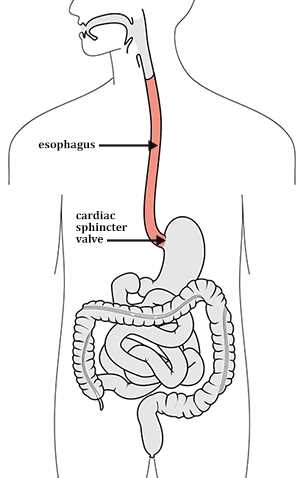
1. Identify Key Components: Start by listing all the organs involved in the process. Focus on the major players such as the mouth, stomach, small intestine, and large intestine.
2. Define Functions: For each organ, outline its main function. For example, the mouth is responsible for mechanical breakdown, while the small intestine is involved in nutrient absorption.
3. Establish Connections: Connect the organs in the order they function during food processing. Draw arrows to show the direction of food movement and digestive processes from one organ to the next.
4. Add Specific Processes: Include details like enzyme secretion, bile production, and nutrient absorption. This will help visualize the complexity of digestion in each organ.
5. Use Color Coding: Use different colors for each organ or process to make the map more readable and to highlight connections between related components.
6. Simplify and Refine: Keep the map clear and uncluttered by avoiding excessive information. Focus on the most critical stages of digestion that will make the map easy to understand at a glance.
7. Review and Finalize: Double-check the structure and accuracy of your concept map. Ensure that all connections are correct and that it visually represents the entire process.
How to Link Digestive Processes with the Concept Map
1. Begin with the Initial Step: Start by placing the mouth at the top of the diagram, as this is where the first process, mechanical breakdown, begins. Link it to the esophagus and outline how food moves down into the stomach.
2. Connect Enzymatic Action: Draw arrows from the stomach to the small intestine, showing how enzymes like pepsin start breaking down proteins. Link this to bile production in the liver and its role in fat digestion.
3. Map Absorption Process: In the small intestine, draw links between the villi and the absorption of nutrients such as amino acids, sugars, and fatty acids. Use arrows to show how these nutrients enter the bloodstream.
4. Link Waste Removal: Show the transition from the small intestine to the large intestine, where water absorption occurs, and undigested food becomes waste. Indicate how waste moves towards the rectum for excretion.
5. Incorporate Additional Processes: Include links for accessory organs like the pancreas, which releases enzymes, and the gallbladder, which stores bile. Connect these to the appropriate stages in the process.
6. Show Feedback Mechanisms: Indicate how hormones like gastrin and secretin regulate processes. Link them to their respective organs and actions to demonstrate the regulatory aspect of digestion.
7. Review the Flow: Make sure each stage of digestion is logically connected. Ensure the arrows and connections reflect the accurate sequence of events, from ingestion to waste elimination.
Reviewing the Digestive System Concept Map for Accuracy
1. Check the Sequence: Ensure that the stages of food processing are arranged correctly, from ingestion to elimination. Double-check the arrows to confirm that they accurately represent the flow of food and waste.
2. Verify Organs and Functions: Cross-reference each organ involved with its specific function. For example, make sure the stomach is linked to protein breakdown, and the small intestine is connected to nutrient absorption.
3. Include All Key Processes: Ensure that all important processes, such as enzyme secretion, bile production, and nutrient absorption, are included in the map and properly connected to their respective organs.
4. Confirm Feedback Mechanisms: Review how hormones regulate digestion. Make sure that feedback loops, such as those involving gastrin or secretin, are placed accurately in the map to reflect their control over digestive actions.
5. Look for Missing Links: Ensure that accessory organs, like the pancreas and liver, are included and connected correctly. These organs play a crucial role in the digestive process, and their functions should be clearly illustrated.
6. Test for Accuracy in Terminology: Double-check the scientific terms used throughout the map. For instance, ensure terms like “amylase” and “lipase” are correctly matched with their functions and locations of action.
7. Assess the Completeness: Review the map to ensure it provides a complete overview of the entire process. Check if every key aspect, including waste elimination, is addressed and that there are no missing steps.
8. Get a Second Opinion: Ask a peer or instructor to review the map. Sometimes an external review can help identify errors or omissions that may not be immediately obvious.