Circulatory System Study Guide Detailed Solutions
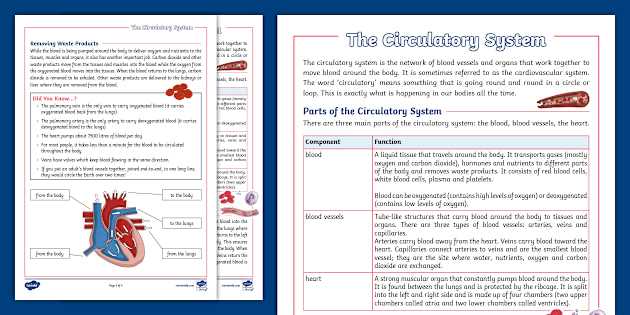
To accurately understand the structure and function of the human blood flow mechanism, focus on the primary components such as arteries, veins, capillaries, and the heart. Identifying their roles in oxygen transport and nutrient delivery is fundamental. The heart acts as the central pump, circulating blood throughout the body, while the arteries carry oxygenated blood from the heart to various tissues, and veins return deoxygenated blood to the heart.
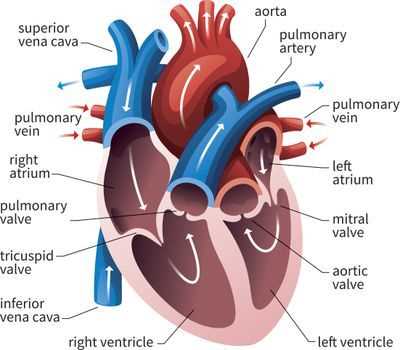
When studying the blood flow cycle, pay special attention to the differences between systemic and pulmonary circulation. Systemic circulation involves the movement of oxygen-rich blood from the heart to the rest of the body, while pulmonary circulation focuses on the exchange of gases in the lungs. Understanding how these circulatory routes interact is crucial for mastering the process.
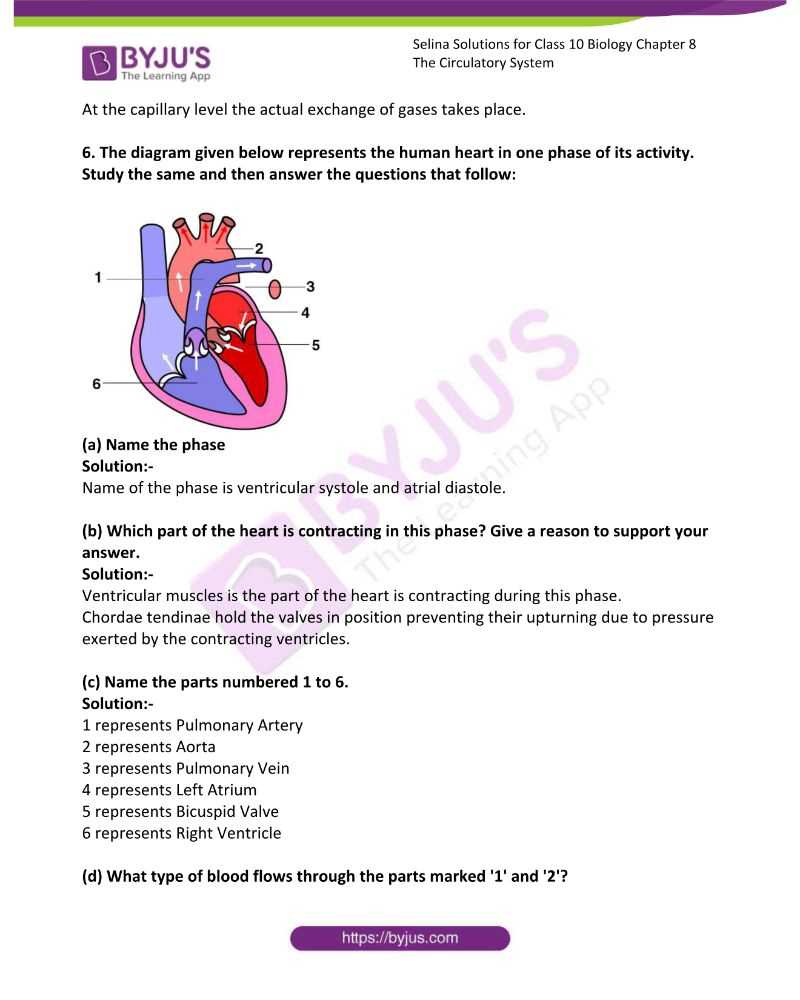
Additionally, note how the heart’s electrical impulses control the rhythm of heartbeat. The sinoatrial (SA) node, often referred to as the natural pacemaker, generates electrical signals that regulate heart rate. The timing of these impulses ensures that blood is pumped efficiently. Grasping the mechanics of blood pressure and how it’s regulated by both the heart and vascular resistance will further deepen your comprehension.