Complete Answer Guide for Strawberry DNA Lab Experiment
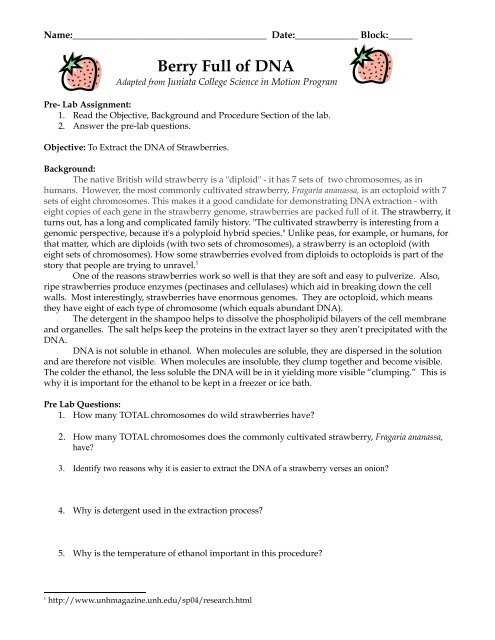
To successfully complete the extraction of genetic material, ensure that you follow each procedure step carefully. The process begins by mashing the fruit, which helps break down the cell walls, releasing the DNA into solution. It’s important to use the proper reagents at each stage, such as the detergent solution, which helps to break open the cell membranes, and salt, which aids in the precipitation of the DNA.
During the experiment, you’ll notice a white, stringy substance forming at the surface of the solution. This is the DNA. Pay attention to the details–such as the rate of formation, which can be influenced by factors like the temperature of the solutions and the thoroughness of the cell breakdown process. If the DNA does not appear as expected, check that all steps, especially the filtration and precipitation steps, were performed properly.
If you’re having difficulty, there are common troubleshooting tips to consider. Ensure the ethanol is cold enough to help precipitate the DNA effectively, and make sure not to agitate the solution too much, as it can break the DNA strands. Once the DNA has been separated, it should be visible to the naked eye, and the structure should be well-defined under the right conditions.
Steps to Successfully Extract Genetic Material from Fruit
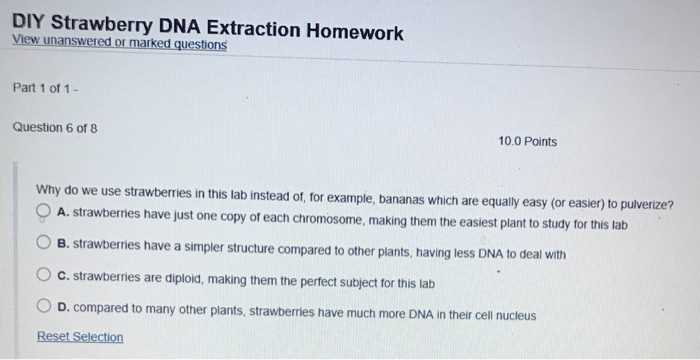
To begin, ensure that the fruit is properly mashed to break down the cell walls. This releases the cellular contents, including the genetic material. Make sure to use the appropriate detergent solution to dissolve the cell membranes effectively.
The next step involves adding salt to help the genetic material precipitate. Salt plays a key role in binding the DNA strands, allowing them to come together and form visible clumps.
Afterwards, slowly pour cold alcohol into the mixture. This step should be done gently to avoid disturbing the precipitate. Cold alcohol is critical in aiding the DNA to separate from the solution, making it visible as a stringy substance at the top.
Once the DNA begins to form, use a stirrer or a wooden stick to collect it. Be careful not to agitate the solution too much, as this could break the DNA strands and affect the results.
If the DNA does not appear clearly, check if all necessary conditions were met, such as temperature and reagent concentrations. Repeating the process with a fresh batch of fruit can help if the extraction fails to yield visible results.
Understanding the Scientific Basis of Genetic Material Extraction
To extract genetic material, the first step is to break open the cells. This is done by using a detergent solution, which dissolves the lipid membranes that encase the cell and nuclear contents. The detergent creates holes in the membranes, allowing the cellular components to be released into the solution.
Next, salt is added to help stabilize the extracted genetic material. Salt causes the proteins and other contaminants to clump together and separate from the DNA. It also facilitates the aggregation of DNA strands by neutralizing the negative charge of the phosphate backbone.
Cold alcohol is then introduced to the solution to precipitate the genetic material. DNA is insoluble in alcohol, especially when it is cold. This causes the DNA to become visible as it separates from the solution and forms clumps or threads that can be easily seen with the naked eye.
Finally, the DNA strands can be collected by gently winding them onto a stick or stirring rod. The physical structure of DNA–its long, string-like molecules–makes it possible to see and handle once it has been separated and precipitated out of the solution.
Materials and Equipment Needed for the Experiment
The following materials are required to conduct the procedure of isolating genetic material:
- Fresh plant material: A soft fruit or plant with easily extractable cells.
- Detergent solution: Used to break down the cell membranes and release the cellular contents.
- Salt solution: Helps to separate the genetic material from other cellular components.
- Cold alcohol (isopropyl or ethanol): Used to precipitate the extracted genetic material.
- Strainer or cheesecloth: To filter out larger cellular debris and obtain a clean extract.
- Measuring cups or beakers: For mixing and measuring solutions.
- Test tubes or small containers: To hold the liquid mixture during the experiment.
- Stirring rods or wooden sticks: To collect and wind the precipitated genetic material.
- Water bath (optional): To maintain the temperature of the solutions at a consistent level during the procedure.
Make sure to prepare all equipment and materials before beginning the experiment for smooth and efficient execution.
Step-by-Step Instructions for DNA Extraction
Follow these detailed steps to extract genetic material from plant cells:
- Prepare the sample: Crush fresh plant material (e.g., fruit or leaves) in a clean bowl. Use a mortar and pestle or your hands to break the tissue into small pieces.
- Prepare extraction solution: Mix water, salt, and detergent in a clean container. This solution will help break down the cell membranes and release the contents, including the genetic material.
- Combine sample with extraction solution: Add the crushed plant material into the solution. Stir gently to allow the detergent to break down the cells, releasing the cellular contents into the liquid.
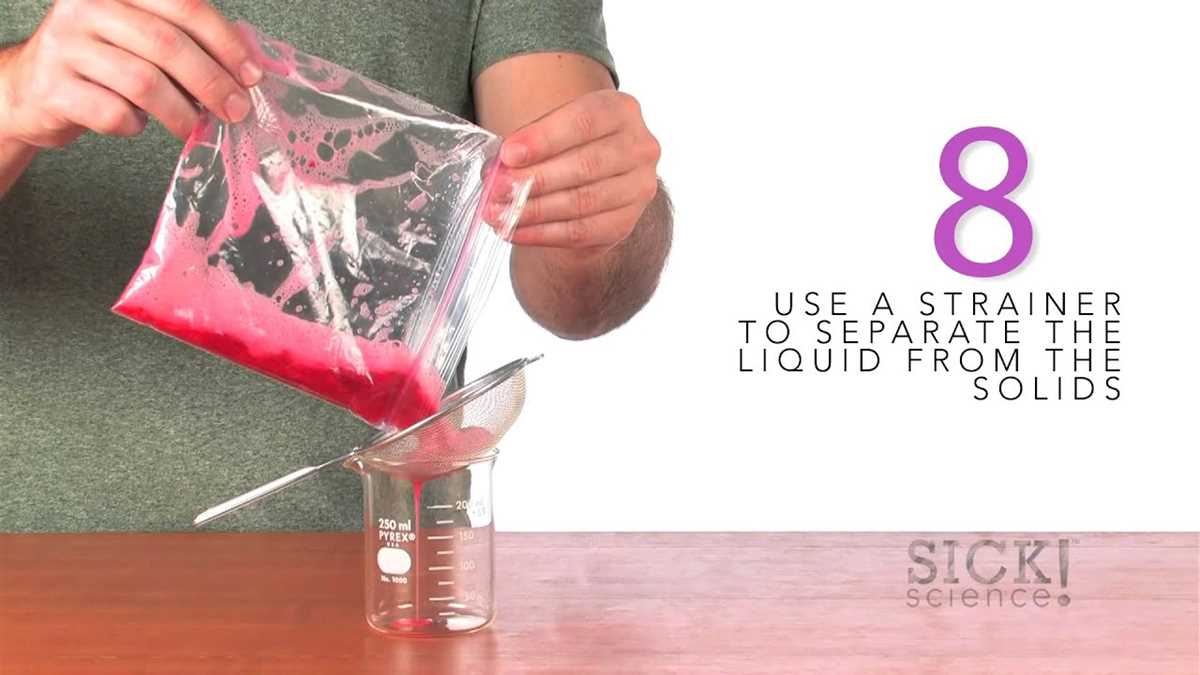
- Strain the mixture: Use a strainer or cheesecloth to filter the solid plant matter from the liquid, leaving a clear solution that contains the genetic material.
- Precipitate the genetic material: Slowly pour cold alcohol (ethanol or isopropyl) into the filtered solution. Tilt the container to form a layer of alcohol on top of the liquid. This will cause the genetic material to precipitate out.
- Collect the precipitate: After a few minutes, white strands of genetic material will appear between the alcohol and solution layers. Use a wooden stick or stirring rod to spool and collect these strands.
- Store the extracted material: Place the extracted strands in a clean container and store them in a cool, dry place if needed for further analysis or observation.
Ensure that each step is performed carefully to maximize the yield of genetic material for further examination or experimentation.
Common Mistakes in Strawberry DNA Lab and How to Avoid Them
1. Using warm alcohol: Cold alcohol is necessary for DNA to precipitate properly. Ensure the alcohol is chilled before use. Place it in the freezer for at least 30 minutes before starting the procedure.
2. Over-mashing the plant material: Crushing the plant too aggressively can damage the DNA. Gently mash the tissue to release the contents without over-breaking the cells, which can lead to contamination.
3. Not filtering the mixture thoroughly: Failure to filter the liquid from the plant debris can result in impurities interfering with the genetic material extraction. Use a fine mesh strainer or cheesecloth for a clear filtrate.
4. Incorrect alcohol layering: Pour alcohol too quickly, and it will mix with the solution instead of forming a separate layer. Add alcohol slowly and carefully to form a distinct separation between the two liquids.
5. Using too much detergent: Excess detergent can damage the extracted material. Stick to the recommended proportions of detergent to water for the extraction solution to ensure effective cell membrane breakdown without excess chemicals.
6. Skipping the proper mixing time: Not allowing enough time for the plant material to interact with the extraction solution can lead to insufficient cell lysis. Stir the mixture for several minutes to ensure effective breakdown.
7. Not using clean equipment: Contaminated equipment can introduce foreign DNA or other impurities. Always use clean utensils, containers, and gloves to prevent contamination of the sample.
By following these tips and paying attention to each step, you can avoid common pitfalls and achieve the best results from your experiment.
Interpreting the Results: What the DNA Looks Like
After completing the extraction process, the DNA should appear as a white, stringy substance suspended in the alcohol layer. This material is visible to the naked eye and often appears like a slimy, fibrous mass.
Here’s what to expect during the analysis:
- Visible clumps: The DNA will typically form clumps or strands, which are most easily seen at the interface between the alcohol and the extraction solution. These clumps are the extracted genetic material.
- Consistency: The texture should be slightly viscous and can vary depending on the success of the extraction process. If the DNA looks watery or unclear, the procedure may need to be repeated.
- Color: The DNA may appear slightly milky or opaque, reflecting the protein and lipid molecules associated with it. It may not look purely white due to the presence of cellular debris.
- Volume: The amount of DNA visible can vary. A larger mass indicates a successful extraction with sufficient material, while smaller clumps may suggest the extraction didn’t fully break down the cells.
If the DNA doesn’t appear or is faint, consider repeating the process with adjusted conditions, such as longer agitation or colder alcohol, to improve the yield.
Factors That Influence the Quality of DNA Extraction
Several factors can significantly impact the quality of genetic material extracted. These factors must be controlled to ensure a successful procedure and reliable results.
- Temperature: Cold conditions help stabilize the DNA and prevent degradation during the extraction process. Ensure that the alcohol used is chilled, as this helps the DNA precipitate more effectively.
- Mechanical Disruption: The thoroughness with which the tissue is broken down affects the yield. Using a mortar and pestle or blending the sample helps release more cells for extraction. Inadequate disruption leads to low DNA yield.
- pH of Extraction Buffer: The pH of the extraction solution should be slightly alkaline to help break down cell membranes and prevent DNA degradation. If the buffer is too acidic or basic, DNA can be damaged or fail to extract properly.
- Concentration of Salt: The concentration of salt in the extraction solution can affect the solubility of DNA. Too little salt results in poor precipitation, while too much salt can inhibit the extraction process.
- Alcohol Type and Concentration: Isopropyl alcohol or ethanol should be used to precipitate the DNA. Using the right concentration (usually around 70% for ethanol or 90% for isopropanol) is crucial for DNA to form visible clumps.
- Purity of Reagents: Contaminated reagents can introduce impurities into the DNA sample, affecting the overall quality. Always use fresh, high-quality chemicals and ensure all tools are clean.
- Time: Allowing sufficient time for each step, such as incubation and precipitation, ensures maximum DNA recovery. Rushing through the process can result in incomplete extractions.
By adjusting these variables, one can improve the chances of obtaining high-quality genetic material suitable for analysis.
How to Troubleshoot Issues During the Lab Process
If you encounter problems during the extraction procedure, there are several common issues and solutions to consider:
- No DNA visible after precipitation:
Ensure that the alcohol was chilled properly and added slowly. If the alcohol was too warm or mixed too quickly, DNA may not have precipitated. Try repeating the precipitation step with colder alcohol.
- Low yield of genetic material:
Make sure the sample was thoroughly mashed to release all cells. If the tissue wasn’t broken down enough, the extraction will yield less material. Try using a more vigorous method for breaking down the sample.
- Contaminated DNA sample:
Check that all equipment and reagents are clean. Contaminants like oils or dirt can hinder the extraction process. Use only clean tools and fresh reagents to avoid contamination.
- DNA degraded or fragmented:
Excessive heat or prolonged exposure to enzymes can degrade the genetic material. Ensure that the temperature is controlled and the samples are not exposed to heat for too long.
- Extraction buffer not working:
If the extraction buffer doesn’t break open the cells, check its pH. It should be slightly alkaline to effectively break the membranes. Adjust the pH or prepare a fresh batch of buffer if necessary.
If these steps do not resolve the issue, consult additional resources for more detailed troubleshooting. The National Center for Biotechnology Information (NCBI) is a reliable source for more in-depth guidance on DNA extraction protocols.
Further Applications of DNA Extraction Techniques
DNA extraction techniques are fundamental in various fields, ranging from medicine to environmental science. Here are some common applications:
- Genetic Research:
Extracted genetic material is crucial for studying inherited traits, gene expression, and mutations. Researchers use it to identify genetic disorders, develop therapies, and understand gene functions.
- Forensic Analysis:
Forensic labs extract genetic material from evidence like blood, hair, or skin cells to identify individuals or link them to crime scenes.
- Food Industry:
DNA extraction is used to verify the authenticity of food products, test for contamination, or identify genetically modified organisms (GMOs) in food.
- Environmental Monitoring:
Environmental scientists extract DNA from soil, water, or air samples to monitor biodiversity, detect pollutants, and track invasive species.
- Personalized Medicine:
With extracted DNA, medical professionals can analyze genetic predispositions to diseases and tailor treatments or prevention strategies based on an individual’s genetic makeup.
These diverse applications demonstrate how versatile DNA extraction is in contributing to advancements in science and technology. Whether for diagnosing diseases, ensuring food safety, or protecting the environment, mastering extraction methods is key to progress in these areas.