Chemical Reactions and Atomic Rearrangement Explained
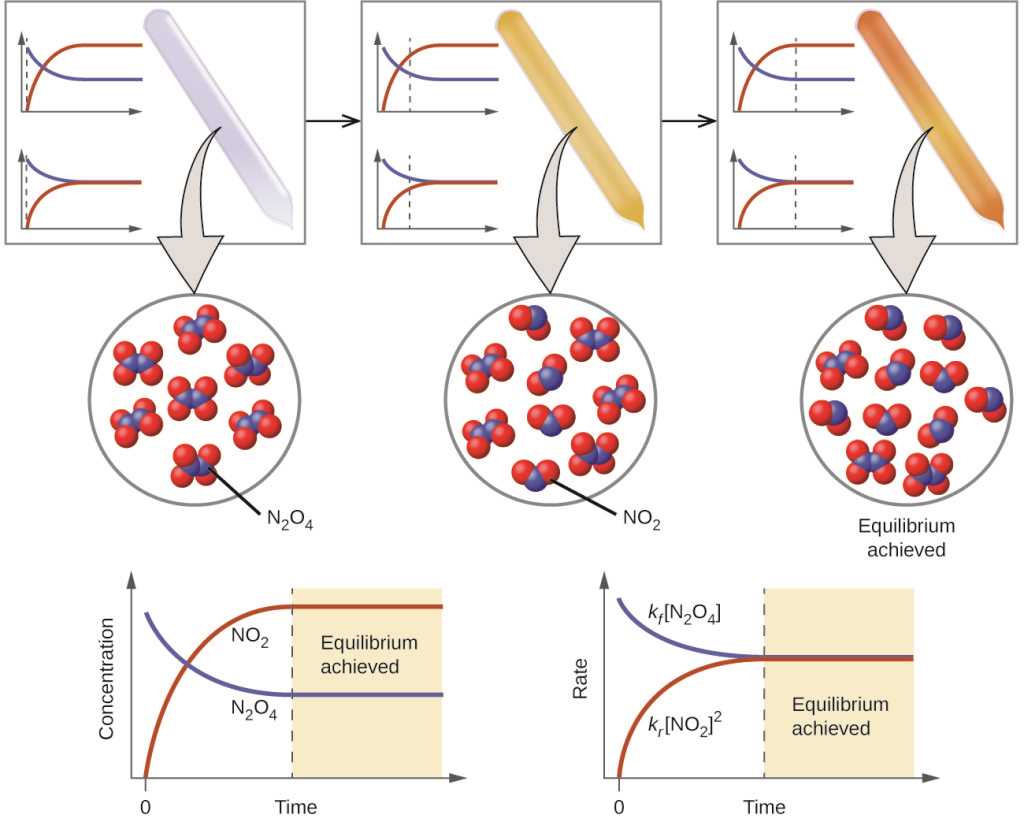
In any transformation involving substances, the key question is whether the building blocks of matter, the smallest particles, shift and reorganize into new forms. This process occurs in many different ways, depending on the nature of the substances involved and the conditions they are subjected to.
When substances interact, they often break bonds between their particles and form new ones, resulting in a different configuration. For example, when a fuel reacts with oxygen, new molecules like carbon dioxide and water are formed, demonstrating how the original particles are rearranged.
This guide provides clarity on these processes, showing the conditions under which such transformations occur and what specific changes take place. Understanding these principles will help in recognizing the pattern of interactions and predicting the outcomes of similar events. Be sure to review each example closely, as this will enhance your ability to identify how matter behaves during such changes.